
FaithTech
FaithTech diseña y fabrica fuentes de alimentación de CC programables y cargas electrónicas para aplicaciones de energía, industriales, automotrices, electrónicas y aeroespaciales.
Derechos de autor © 2026 FaithTech
FaithTech diseña y fabrica fuentes de alimentación de CC programables y cargas electrónicas para aplicaciones de energía, industriales, automotrices, electrónicas y aeroespaciales.
Derechos de autor © 2026 FaithTech

Los sistemas de gestión de baterías (BMS) constituyen el sistema nervioso central de cualquier aplicación moderna de almacenamiento de energía o movilidad eléctrica. Su función principal es garantizar el funcionamiento seguro, eficiente y fiable de los paquetes de baterías bajo todas las condiciones. Aunque es esencial validar un BMS bajo parámetros operativos nominales, su verdadera fiabilidad solo se demuestra cuando el sistema se somete a sus límites máximos. Aquí es donde las pruebas de simulación de fallos en BMS resultan indispensables.
En implementaciones reales, las baterías están expuestas a entornos agresivos, manipulación inadecuada y casos extremos imprevistos. Para garantizar que un BMS pueda apagar o mitigar de forma segura situaciones peligrosas, los ingenieros deben replicar estos escenarios de fallo en un entorno de laboratorio controlado. El uso de un simulador de batería integral permite a los ingenieros generar de forma segura condiciones de fallo precisas —como desconexión de la batería, cortocircuitos y polaridad inversa— sin el riesgo de eventos térmicos catastróficos asociados con celdas de batería físicas.

Un BMS de alta calidad debe detectar y responder a una variedad de anomalías eléctricas. Al integrar un simulador de batería dedicado, los ingenieros pueden introducir sistemáticamente fallos para verificar que el BMS active los mecanismos de protección correctos. Los escenarios de fallo más críticos incluyen:
Una desconexión repentina del paquete de baterías del BMS puede ocurrir debido a conectores flojos, cables dañados o vibraciones. El BMS debe detectar inmediatamente la pérdida de conexión para evitar un funcionamiento incontrolado. Al simular un circuito abierto o una desconexión de la batería, los ingenieros pueden verificar que el BMS registre con precisión el fallo, abra los contactores y envíe una alerta al controlador del sistema de nivel superior.
Los cortocircuitos son uno de los escenarios de fallo más peligrosos, capaces de provocar una rápida propagación térmica. Las pruebas de simulación de fallos en BMS deben incluir tanto escenarios de cortocircuito a nivel de celda como a nivel de paquete. El simulador debe ser capaz de reducir instantáneamente la tensión y simular trayectorias de alta corriente para asegurar que la protección hardware del BMS se active en microsegundos, salvaguardando así toda la arquitectura del sistema.
La polaridad inversa ocurre cuando un paquete de baterías se conecta con los terminales positivo y negativo invertidos, comúnmente durante la instalación o el mantenimiento manuales. Este escenario puede dañar gravemente los circuitos del BMS. Simular la polaridad inversa permite a los ingenieros probar la robustez del circuito de protección de entrada del BMS y garantizar que pueda sobrevivir o desconectarse de forma segura ante una fuente de tensión invertida.
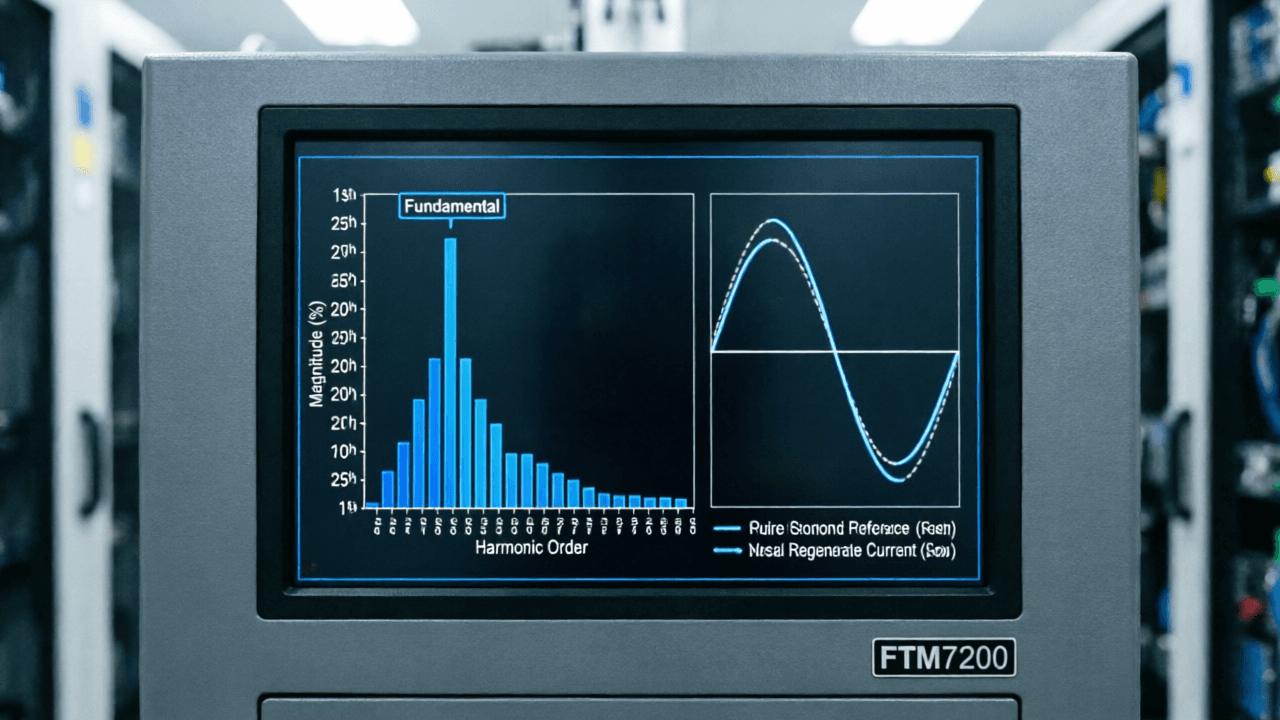
Para ejecutar eficazmente estos escenarios de fallo, los ingenieros de prueba requieren equipos que vayan más allá de una simple generación de tensión y corriente. El FT9350 Serie Simulador de batería integral está específicamente diseñado para satisfacer las exigentes demandas de validación de BMS. Cuenta con una función patentada de simulación de fallos que replica sin interrupciones escenarios del mundo real, incluidos la desconexión de la batería, el cortocircuito y la conexión con polaridad inversa.
Más allá de la inyección de fallos, la precisión es fundamental. La serie FT9350 ofrece una precisión de tensión de hasta 0.01% del valor a fondo de escala (F.S.), lo que garantiza que los parámetros de simulación de referencia sean impecables antes de introducir un fallo. Este nivel de precisión es crucial para validar los convertidores analógico-digitales (ADC) del sistema de gestión de baterías (BMS) y sus umbrales de medición de tensión. Además, el simulador dispone de tres rangos de medición de corriente con conmutación automática sin interrupciones y capacidad de medición a nivel de μA. Esto permite a los ingenieros probar simultáneamente el consumo de potencia estático del BMS, asegurando que el sistema no descargue la batería durante los estados de reposo.
El dispositivo también ofrece aislamiento galvánico entre canales, lo que permite su configuración en serie multi-canal. Esto resulta vital al probar arquitecturas de BMS de alta tensión, ya que evita bucles de tierra y garantiza que la inyección de fallos en un canal no afecte involuntariamente a los canales adyacentes de medición.
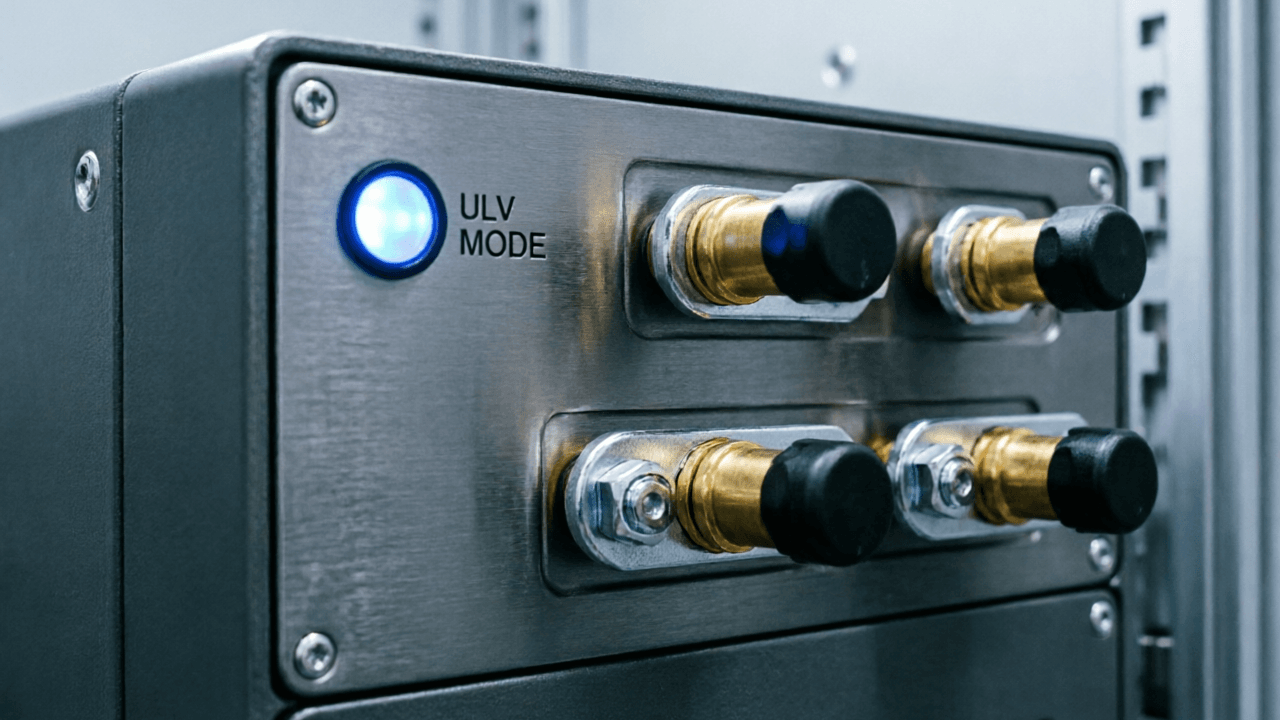
A medida que los diseños de BMS se vuelven más complejos, la inyección manual de fallos se convierte en un cuello de botella dentro del ciclo de desarrollo. Las pruebas modernas de simulación de fallos en BMS requieren una integración perfecta en marcos de prueba automatizados. La serie FT9350 está equipada con interfaces de control LAN, RS485 y CAN, además de soporte nativo para los protocolos de comunicación SCPI y Modbus. Esta amplia conectividad permite integrar fácilmente el simulador en sistemas de prueba automatizados (ATS) estándar.
Los ingenieros pueden escribir scripts de prueba para secuenciar distintas condiciones de fallo: iniciar un cortocircuito durante 50 milisegundos, volver a la operación nominal y, a continuación, inyectar un estado de polaridad inversa, todo ello sin intervención manual. Una interfaz USB integrada permite importar/exportar archivos y capturar pantallas, facilitando el registro exacto de las formas de onda de fallo y su exportación para documentación de garantía de calidad. La pantalla LCD de alta definición de 4.3 pulgadas admite tanto modos de control local como remoto, otorgando a los ingenieros la flexibilidad de supervisar las pruebas localmente mientras controlan el sistema de forma remota.
Al adoptar un simulador de batería integral con simulación de fallos integrada, las organizaciones pueden reducir significativamente los riesgos asociados a sus despliegues de baterías. Validar el comportamiento del BMS frente a desconexiones, cortocircuitos y polaridad inversa garantiza que el producto final cumpla con los más altos estándares de seguridad, al tiempo que simplifica su camino hacia el mercado.