

The Role of Power Meter Testing in Modern Energy Compliance
In the rapidly evolving landscape of industrial testing and power electronics, verifying the efficiency and performance of electrical devices is paramount. Regulatory frameworks and consumer demands require manufacturers to meet stringent energy consumption standards. This is where precise power meter testing becomes a critical component of the engineering workflow. Evaluating the true efficiency of a device requires capturing real-time voltage, current, and power factor data with high accuracy. For engineers conducting an Energy Star test or evaluating a Switching Power Supply Test, relying on high-precision instrumentation is the only way to ensure data integrity and regulatory compliance.
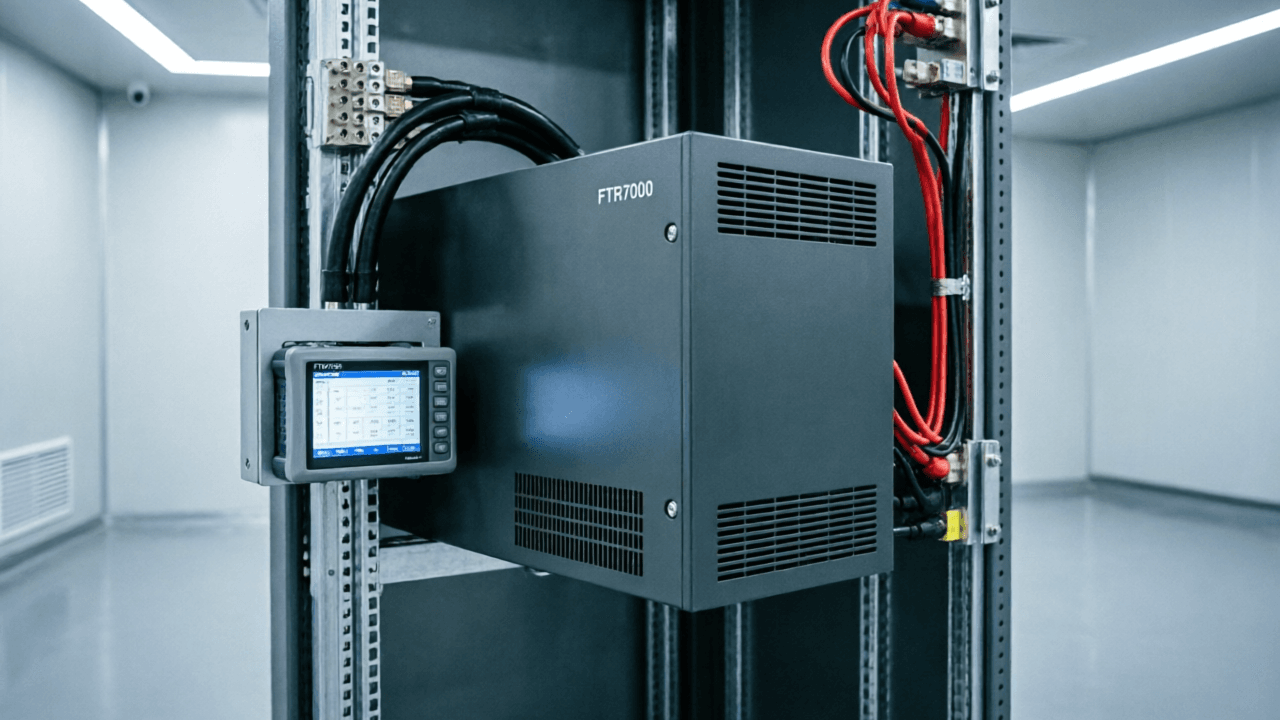
The FTM7200 Power Meter is engineered to meet these rigorous demands. Designed for versatility across multiple high-stakes applications, the FTM7200 facilitates accurate data acquisition for Home Appliance Testing, UPS power supply test setups, Engine testing, Photovoltaic wind power testing, and Charging pile Test environments. By integrating this advanced instrument into your laboratory or production line, technicians can capture the exact electrical parameters needed to validate performance, optimize circuit designs, and guarantee that final products meet global energy standards.
Workflow Guide: Validating Energy Star Compliance
Achieving Energy Star certification requires a methodical approach to measuring standby and operational power consumption. The margin for error is incredibly narrow, making the selection of your measurement tools vital to a successful testing protocol. Utilizing the FTM7200 Power Meter streamlines this process through a structured workflow:
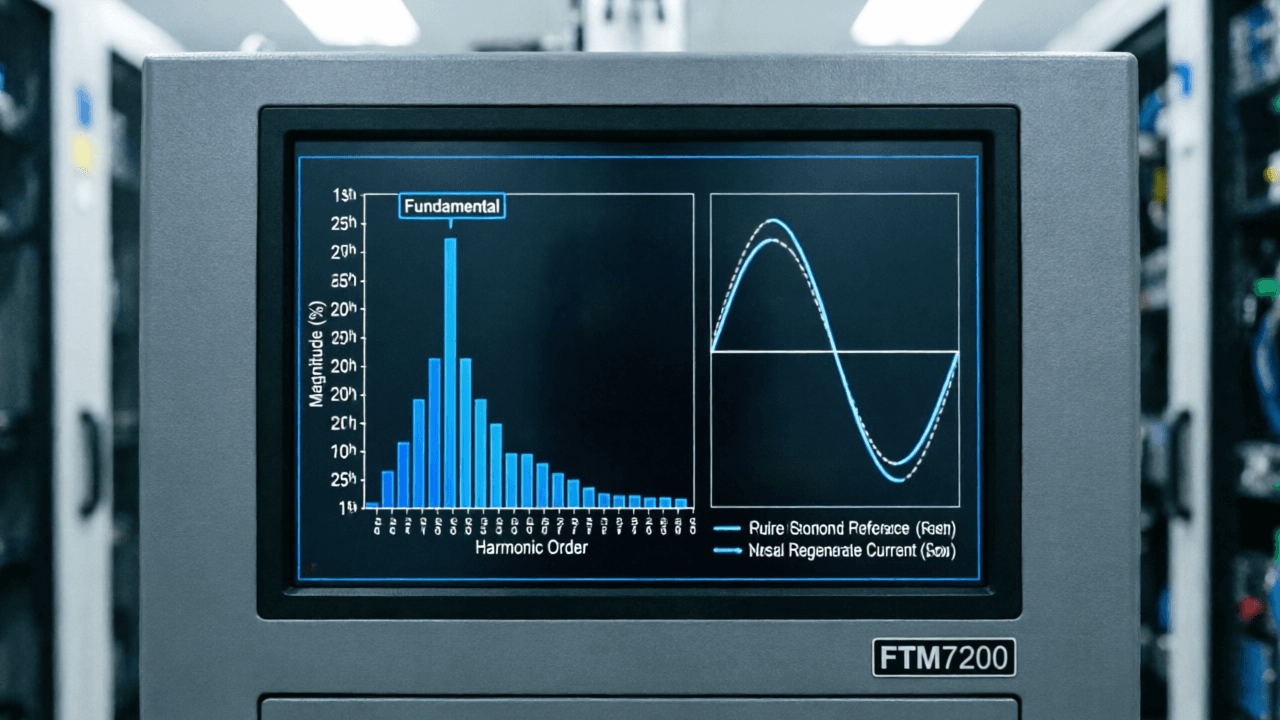
- Test Setup and Configuration: Begin by integrating the FTM7200 into your test circuit, ensuring that the voltage and current inputs are correctly configured for the device under test (DUT). The meter must be set to the appropriate range to maximize resolution, particularly when measuring ultra-low standby currents.
- Stabilization Phase: Power on the DUT and allow it to reach thermal and electrical equilibrium. Energy Star protocols often require specific stabilization times before data recording begins.
- Data Acquisition: Use the FTM7200 to continuously monitor and log power consumption. The instrument's rapid sampling rate captures transient spikes and fluctuating loads, ensuring that the average power consumption reported is a true reflection of the device's real-world behavior.
- Efficiency Calculation: Compare the input power measured by the FTM7200 against the useful output power or operational state of the appliance. This calculation determines whether the DUT falls within the required Energy Star thresholds.
By following this workflow, engineers can confidently submit their products for certification, knowing that their power meter testing methodology yields reliable, repeatable results.
Executing a Switching Power Supply Test Protocol
Switching power supplies are the backbone of modern electronics, prized for their efficiency but notorious for generating complex harmonic currents and high-frequency noise. Testing these devices requires an instrument capable of accurately capturing true RMS values and power factors under non-linear load conditions. The FTM7200 Power Meter excels in this environment, providing the necessary bandwidth and accuracy to decode complex waveforms.
When conducting a Switching Power Supply Test, the primary goal is to measure conversion efficiency accurately. Input power is measured at the AC mains side, while output power is measured at the DC load side. The FTM7200 allows simultaneous monitoring of these parameters, enabling real-time efficiency calculations. Furthermore, the device is robust enough to handle the diverse electrical characteristics found in a UPS power supply test, where battery charge cycles and inverter switchover events must be precisely monitored. The high-precision architecture of the FTM7200 ensures that high-frequency switching noise does not corrupt the fundamental power measurements, giving engineers the confidence to validate their circuit topologies.
Best Practices for Accurate Power Electronics Testing
To maximize the value of your power meter testing procedures, proper integration and operational discipline are required. Whether you are performing an Energy Star test, Home Appliance Testing, or evaluating photovoltaic inverters, the accuracy of your data depends heavily on the setup.
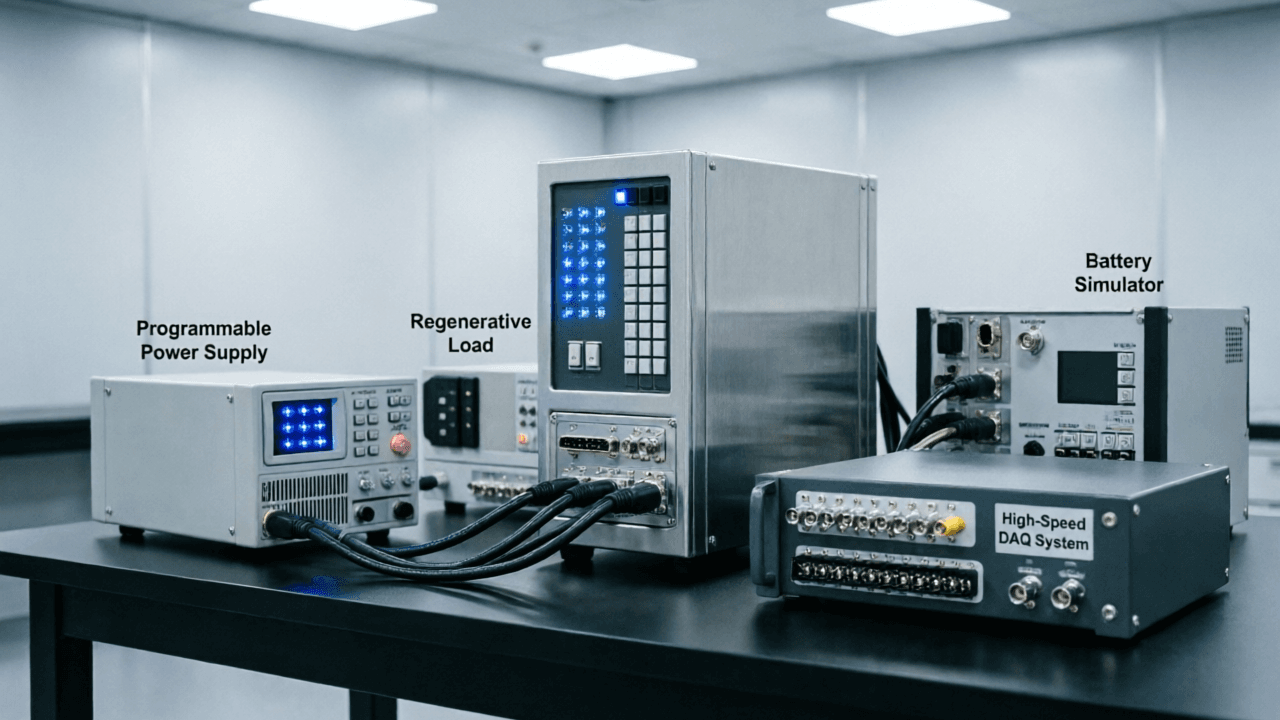
First, always verify the wiring and grounding of your test setup. Ground loops and electromagnetic interference can introduce significant errors into sensitive power measurements. Shielded cables and proper grounding techniques are essential. Second, allow the FTM7200 Power Meter to warm up before beginning critical measurements. Precision components need time to reach thermal stability to guarantee their specified accuracy. Finally, regularly calibrate your instrumentation to maintain traceability to national metrology standards. By adhering to these practices and utilizing the advanced capabilities of the FTM7200, testing facilities can achieve unparalleled precision in their energy efficiency validation and power supply performance analysis.