

Understanding the Trade-offs: Regenerative vs Conventional Electronic Load
When validating server power supplies, uninterruptible power supplies (UPS), and advanced AI data center (AIDC) power systems, test engineers must make a critical infrastructure decision: choosing between a regenerative vs conventional electronic load. Both testing methodologies serve the fundamental purpose of drawing precise, programmable DC power to stress-test power conversion devices. However, the underlying architecture of each system dramatically impacts facility energy consumption, thermal management requirements, and overall test setup complexity.
Conventional electronic loads dissipate the drawn electrical energy as heat, requiring robust cooling systems to maintain safe operating temperatures. In contrast, regenerative loads convert the drawn DC power back into clean AC power, synchronizing it with the local grid for reuse. For high-power applications like server power supply burn-in, this architectural difference translates into significant operational trade-offs that engineering teams must carefully evaluate.
Energy Recovery and Thermal Management
The most defining distinction in the regenerative vs conventional electronic load comparison is how each system handles the energy pulled from the device under test (DUT).
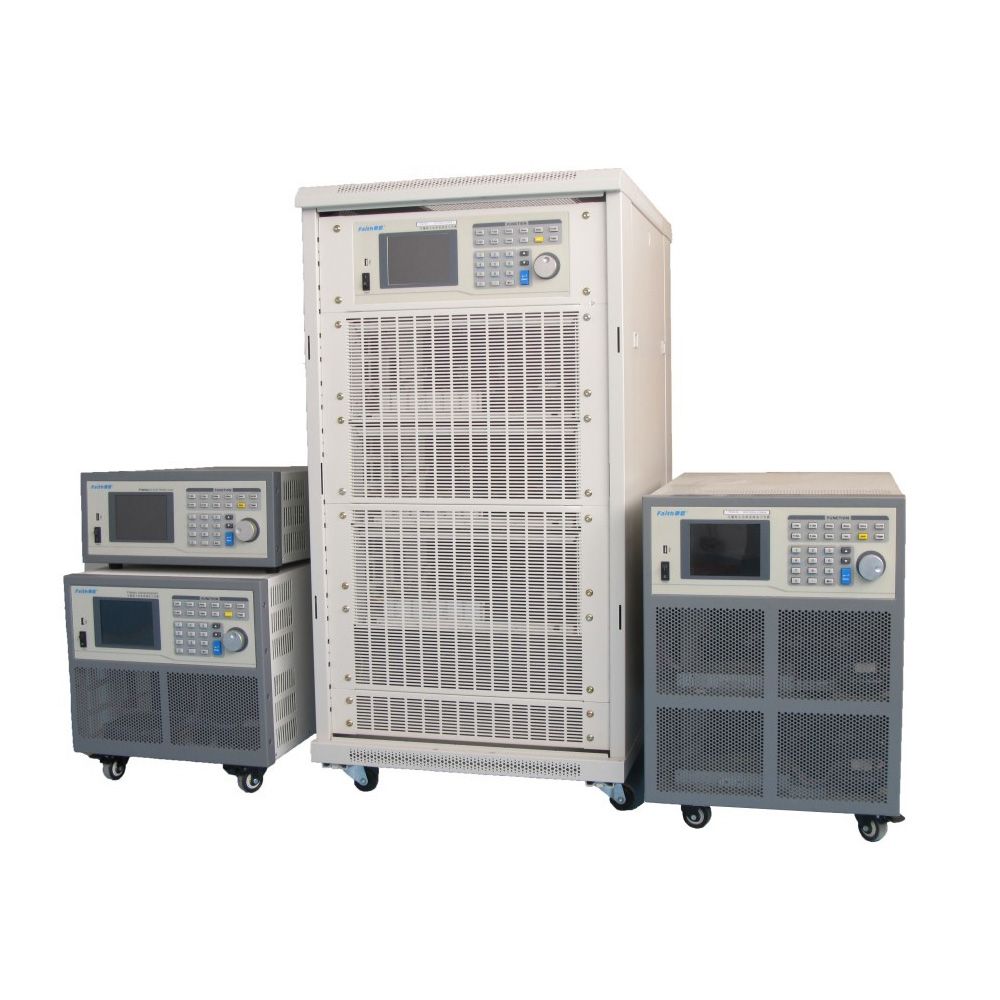
The FT6800 series super power electronic load is a conventional system designed for high-demand applications, offering scalable power from 2.6kW up to 300kW. During long-duration burn-in tests for server power supplies, the FT6800 converts the extracted electrical energy entirely into heat. This necessitates substantial facility cooling—typically involving liquid or forced-air cooling systems—to prevent thermal overload. While this requires more energy to manage the dissipated heat, conventional loads often present a lower initial capital expenditure and provide highly stable, straightforward resistive loading.
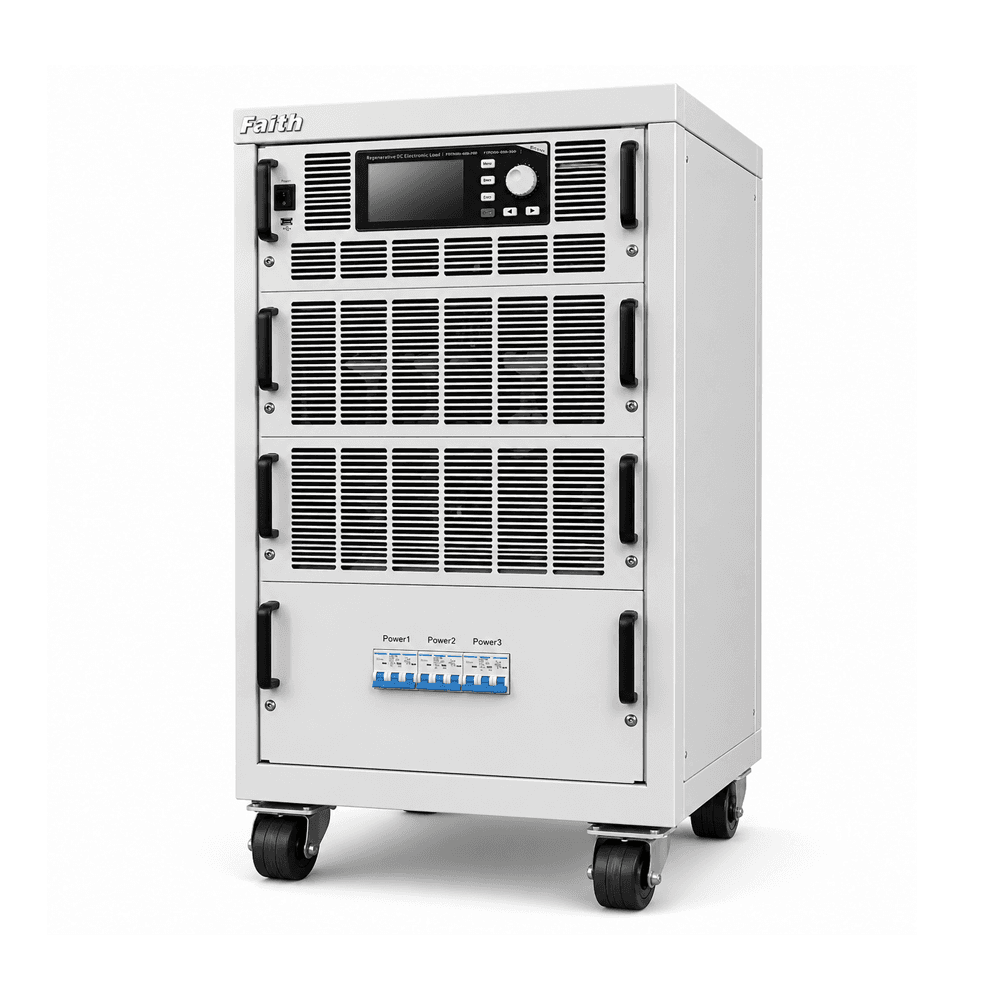
Conversely, the FTR7000 series Regenerative feedback programmable DC electronic load operates up to 3MW and is verified by industry leaders like Eaton, Vertiv, and Nvidia. The FTR7000 recovers the energy drawn from the DUT and feeds it back into the facility grid. This energy recovery mechanism drastically reduces the net power consumption from the utility grid during continuous burn-in cycles. Furthermore, because the energy is recycled rather than dissipated as heat, the thermal footprint of the test environment is significantly reduced, lessening the burden on facility HVAC systems and enabling denser test rack configurations without overwhelming the room's cooling capacity.
Test Setup and Validation Capabilities
The choice between these two testing architectures also dictates the complexity and capability of the test setup, particularly when validating modern AIDC power systems.
Conventional Load Setup
The FT6800 excels in standard high-power discharge testing for power batteries, lead-acid batteries, fuel cells, and DC charging piles. For server and communication power supplies, the setup is highly direct: the load connects to the DUT, and the system manages the thermal output via its integrated cooling infrastructure. This simplicity makes the FT6800 highly reliable for sustained, static load profiles where the primary goal is robust power absorption without the need for grid synchronization.
Regenerative Load Setup
Setting up a regenerative system like the FTR7000 requires integration with the facility's AC grid to enable power feedback. However, the payoff is advanced functional testing. As outlined in the FTR7000 Regenerative DC Electronic Load Bank solution, this system is specifically engineered to validate EDPP (Efficient Data Center Power) requirements, including 200% seconds-level overload capabilities and fast di/dt load steps. These rapid transient response capabilities are essential for simulating the dynamic, high-current spikes typical in modern server environments. The FTR7000 allows engineers to conduct long-duration regenerative burn-in while simultaneously testing the DUT's response to severe load step changes, offering a comprehensive validation environment for UPS and server power systems.
Making the Right Choice for Your Facility
Deciding between a conventional super-power load and a high-power regenerative load depends on your specific testing volume, facility infrastructure, and long-term operational goals.
Choose the FT6800 if your testing focuses primarily on straightforward, high-power discharge profiles, battery lifecycle testing, or if your facility lacks the necessary grid synchronization infrastructure to accept regenerative feedback. Its robust design handles up to 300kW of pure power dissipation, making it ideal for dedicated test benches where thermal management is already factored into the facility design.
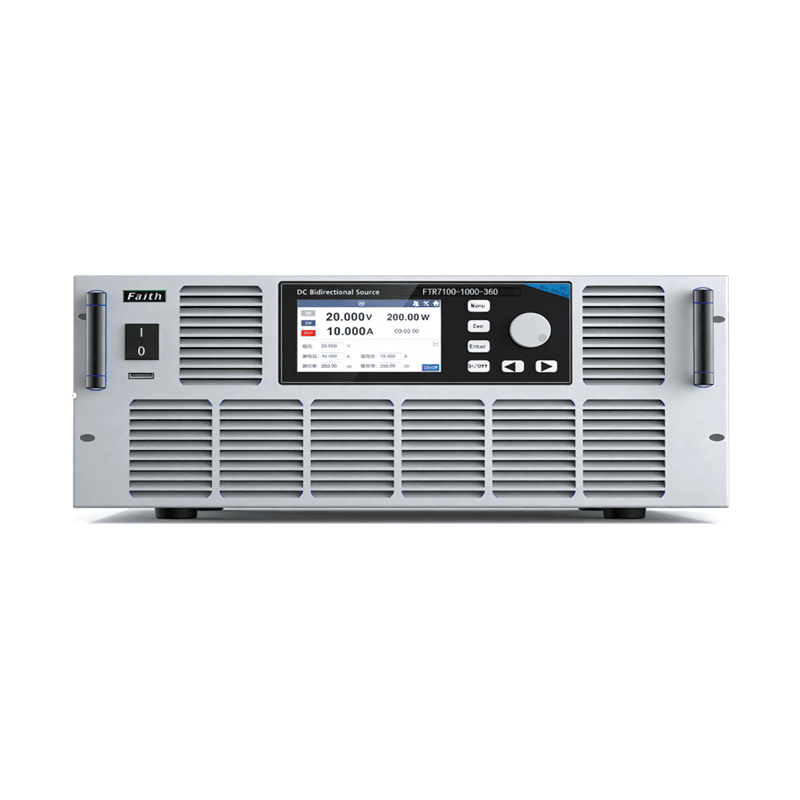
Choose the FTR7000 if your focus is on the R&D and production of high-volume server power supplies, UPS systems, and energy storage systems where long-duration burn-in is required. The ability to test up to 3MW while recovering energy makes it the superior choice for facilities looking to reduce operational expenditures, minimize heat generation, and validate complex dynamic load steps required by next-generation AIDC power architectures. By returning energy to the grid, the FTR7000 transforms the burn-in test from a pure cost center into an energy-efficient validation process.