

Introduction to Automotive Electrical Box Relay Testing
The modern vehicle relies heavily on its central electrical box, also known as the junction box or fuse box. This critical assembly houses fuses, relays, terminals, and wire harnesses that distribute power and control signals throughout the vehicle. Because these components are subjected to constant vibration, thermal cycling, and high electrical loads, ensuring their long-term reliability is essential for vehicle safety and performance.
While fuse validation is a standard part of quality control, comprehensive automotive electrical box relay testing is equally critical. Relays and connectors must endure thousands of mechanical and electrical switching cycles without failure. The FTI5000 series Fuse Tester is engineered to handle these complex validation requirements, extending its capabilities far beyond simple fuse testing to provide thorough durability assessments for entire electrical box assemblies.
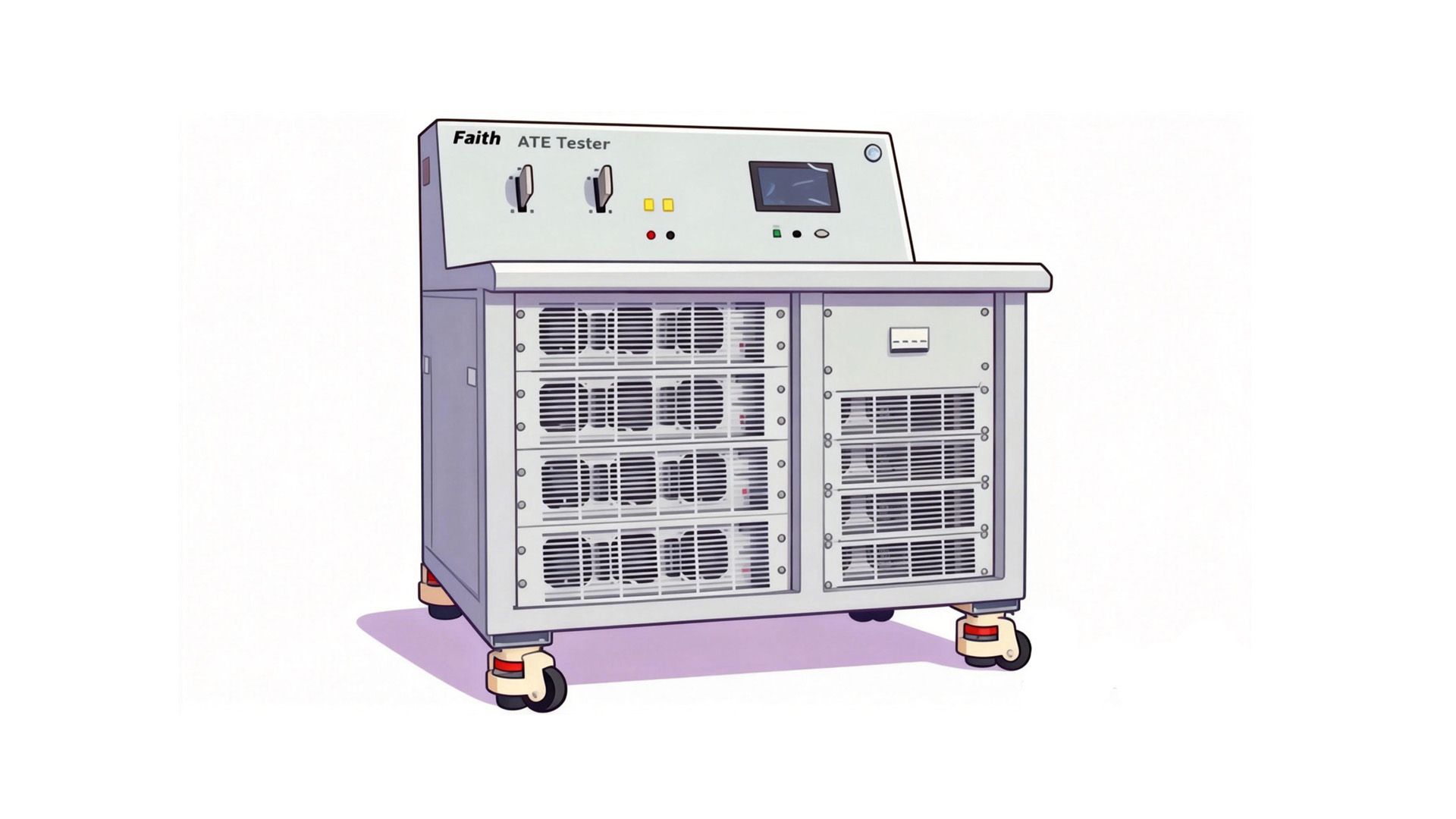
Validating Terminal and Connector Durability
Terminals and connectors within an automotive electrical box are responsible for maintaining stable electrical pathways. Poor crimping, weak contact forces, or inferior materials can lead to voltage drops, overheating, and eventual system failure. To validate the durability of these components, manufacturers must subject them to rigorous mechanical and electrical stress testing.
The FTI5000 provides a controlled environment for terminal and connector testing. By applying specified current loads through the connectors while simultaneously simulating mechanical vibration or insertion and extraction cycles, test engineers can measure contact resistance over time. This process identifies degradation in the terminal interface. The FTI5000 allows users to monitor and record electrical continuity and voltage drop data, ensuring that the connectors maintain a secure, low-resistance connection throughout their projected lifecycle.
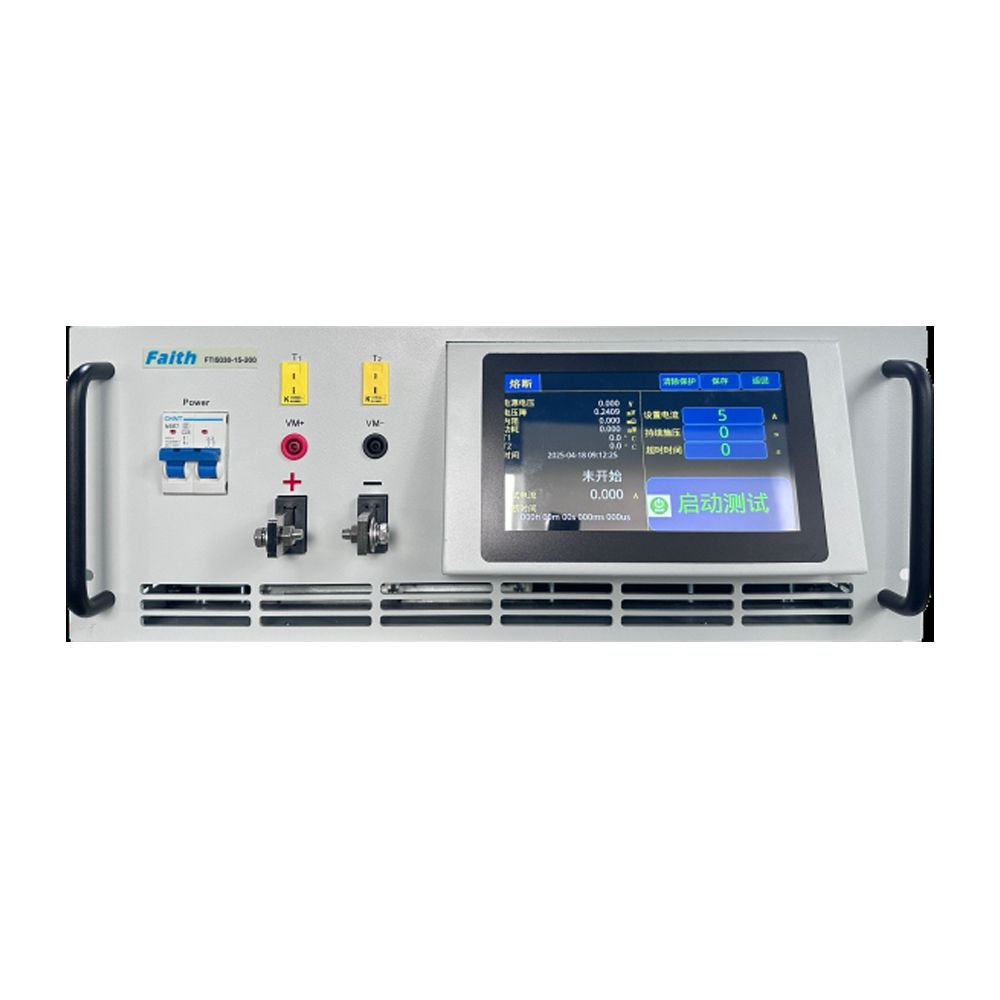
Conducting Automotive Electrical Box Relay Testing
Relays function as the primary switching mechanisms within the electrical box, controlling high-current loads such as headlights, fuel pumps, and cooling fans. Over time, the repeated arcing and mechanical wear inside a relay can degrade its contacts. Validating relay durability requires a tester capable of handling both the mechanical actuation and the electrical load switching simultaneously.
Using the FTI5000, engineers can perform comprehensive automotive electrical box relay testing. The system applies real-world electrical loads to the relay contacts while triggering the relay coil at specified duty cycles. By running thousands of consecutive switching cycles, the FTI5000 evaluates the relay's ability to maintain consistent performance. During testing, the equipment monitors parameters such as contact bounce, closing and opening times, and contact resistance after each cycle. This data is vital for determining whether a relay will survive the harsh operational environment of a modern automobile.
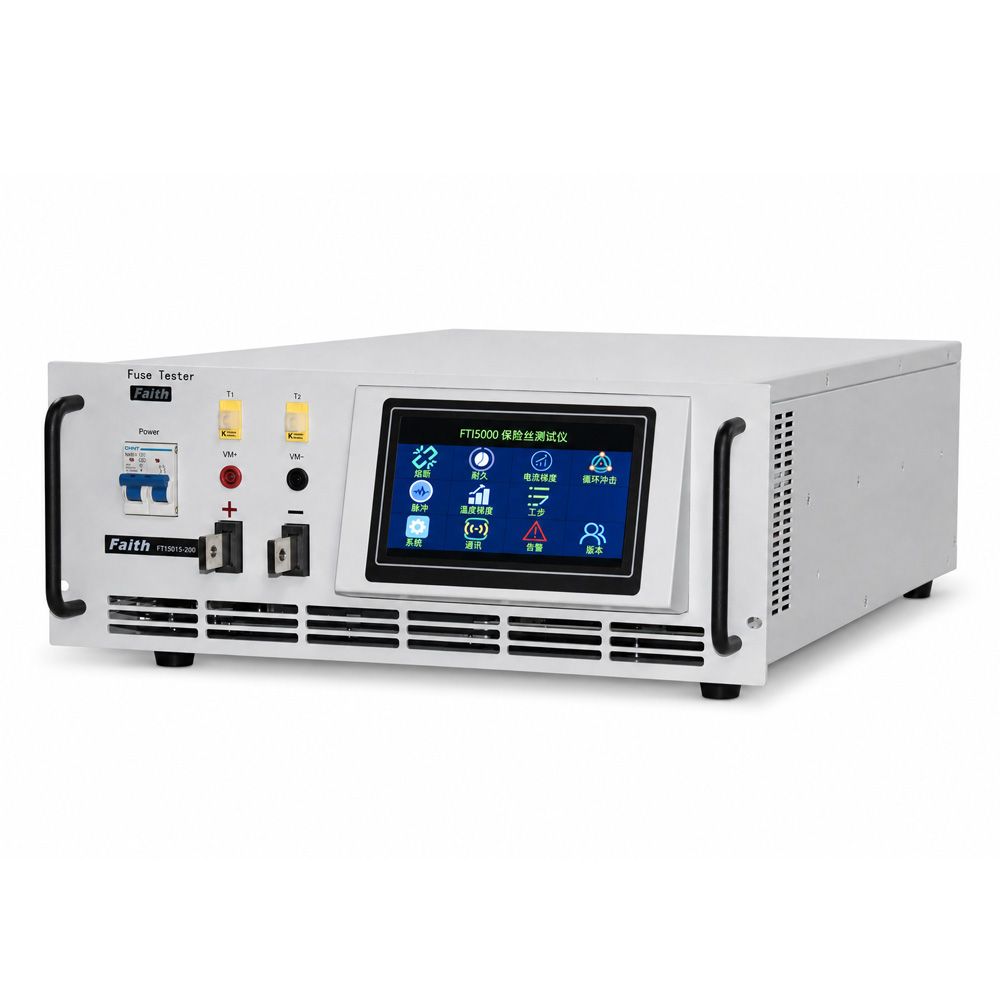
Harness and Overall Device Quality Testing
Beyond individual components, the entire automotive electrical box must function as a unified system. The internal wire harnesses that route power from the relays and fuses to the external connectors must also be validated for durability and quality. A fault in the harness can compromise the entire network, leading to intermittent electrical failures that are notoriously difficult to diagnose.
The FTI5000 is built to perform full harness testing and broader device quality testing. By integrating the fuse, relay, terminal, and connector tests into a single test sequence, the FTI5000 provides a comprehensive validation profile for the automotive electrical box. Test engineers can simulate the cumulative effect of various electrical loads on the harnesses, checking for insulation breakdown, conductor heating, and overall routing integrity. This holistic approach to device quality testing ensures that the final product meets strict automotive industry standards before it ever reaches the assembly line.
Conclusion
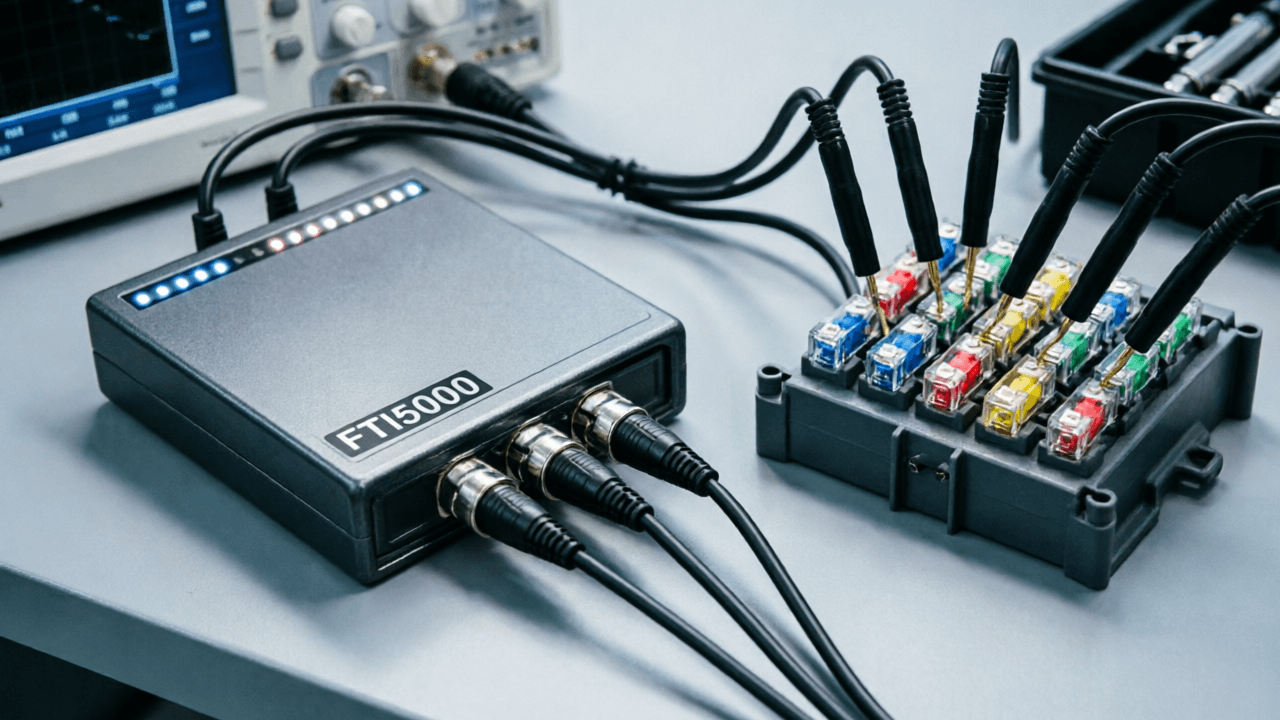
Effective automotive electrical box relay testing requires versatile equipment capable of simulating the complex, multi-faceted stresses of vehicle operation. The FTI5000 series Fuse Tester offers a robust solution for validating the durability and quality of not just fuses, but the relays, terminals, connectors, and harnesses that comprise the central electrical box. By utilizing the FTI5000 for terminal and connector tests, relay durability, and overall device quality testing, manufacturers can ensure the long-term reliability and safety of their automotive electrical systems.