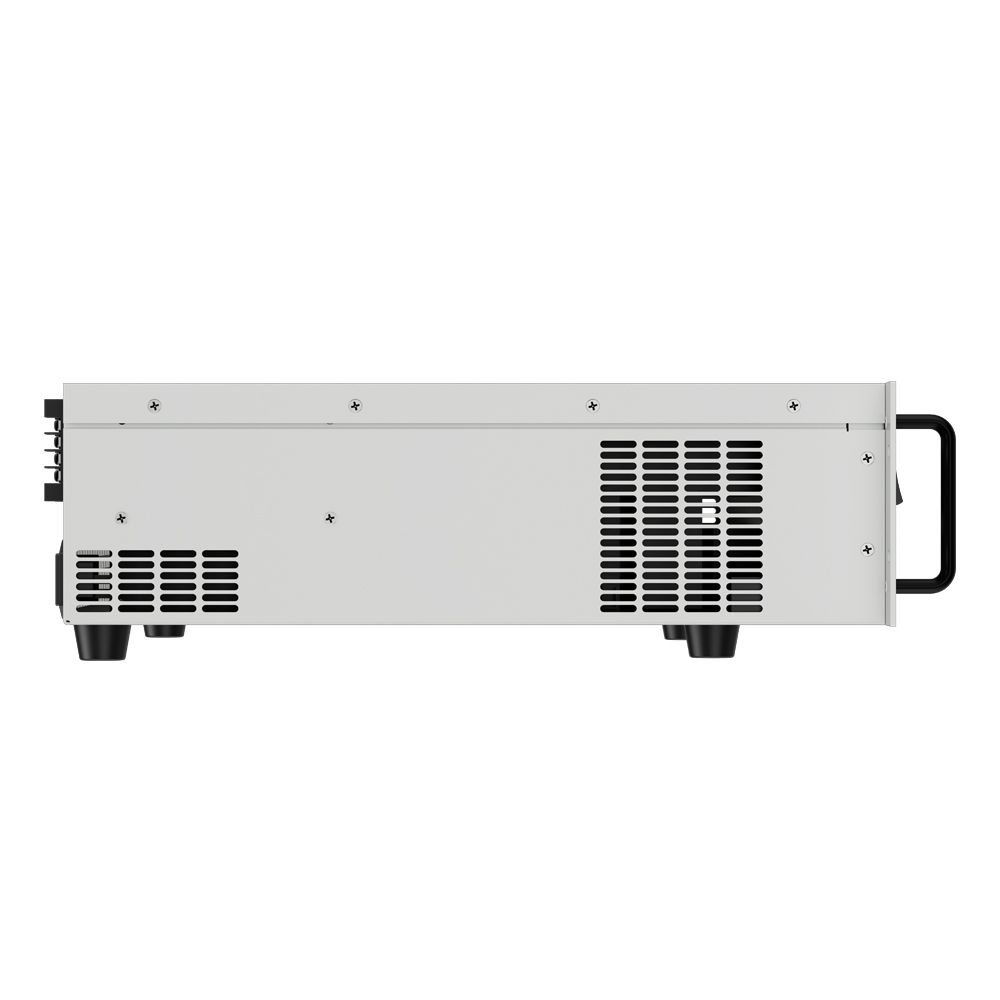

Deterministic Stress: FTI5000 Fuse Durability Cycling for Intermittent Fault Excitation
The FTI5000 series Fuse Tester is engineered as a dedicated fuse durability tester — but its application extends significantly into wiring harness validation. Designed for fuse and fuse test, harness testing, terminal and connector test, auto electrical box and relay test, and device quality testing, the FTI5000 applies precise, repeatable current pulses to simulate real-world overcurrent events. This deterministic stress methodology subjects harness segments — especially fuse-fed branches — to controlled thermal cycling, accelerating latent defects such as micro-cracks in crimped terminals, insulation weaknesses near solder joints, or progressive oxidation at contact interfaces.
Unlike generic current sources, the FTI5000 integrates programmable dwell times, pulse amplitude, and cycle count, enabling standardized pass/fail criteria based on fuse blow consistency or time-to-failure deviation. When applied across multiple harness branches simultaneously, it reveals intermittent opens that only manifest after repeated thermal expansion/contraction cycles — a hallmark of mechanical fatigue not visible during static continuity checks. For manufacturers requiring traceable, repeatable qualification of fuse-integrated harness subassemblies, the FTI5000 provides a targeted, standards-aligned stimulus path.
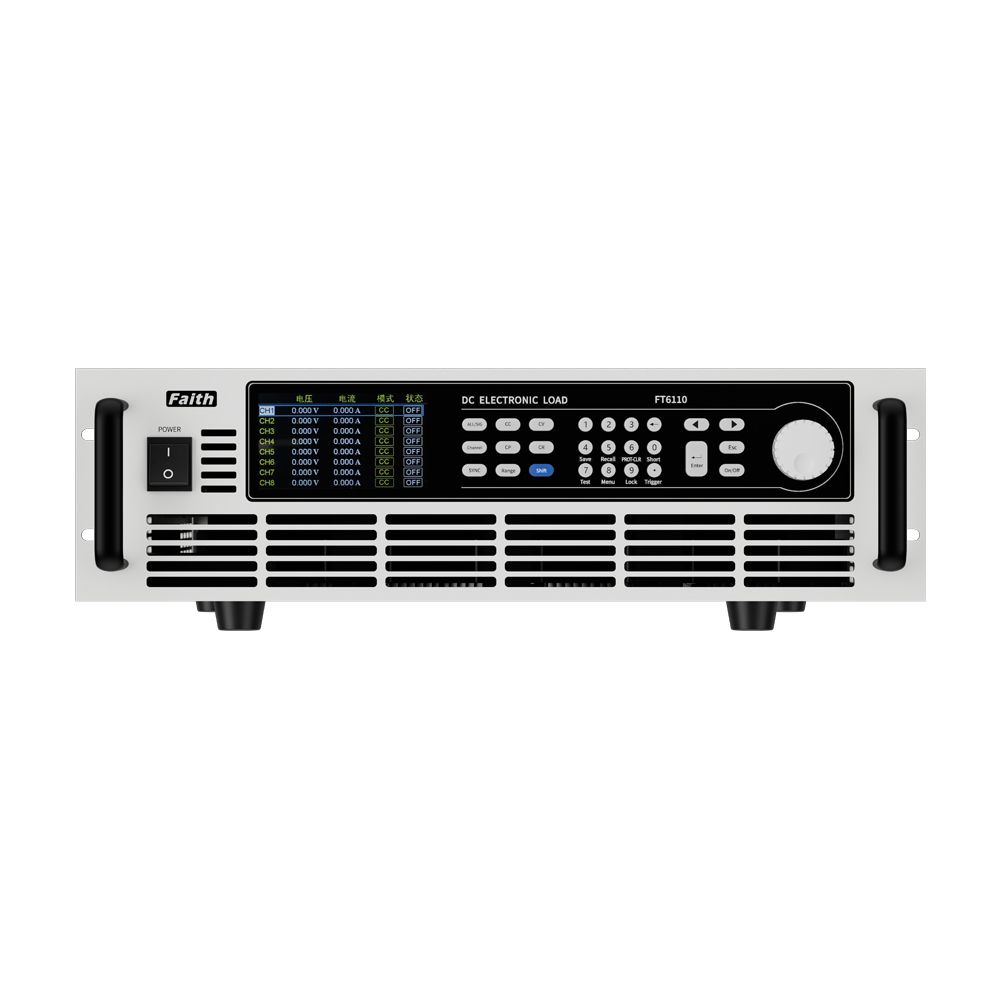
Dynamic Resistance Profiling: FT6100 Series Under Real-Time Load Conditions
In contrast, the FT6100 series Multichannel electronic load array delivers dynamic resistance profiling — a fundamentally different detection paradigm. With load power ranging from 50W to 1080W per channel, the FT6100 supports multi-point, synchronized loading across complex harness topologies. Its primary strength lies in applying realistic, time-varying current profiles — such as pulsed, ramped, or modulated loads — while continuously monitoring voltage drop across critical nodes (e.g., connectors, splices, inline fuses).
This capability enables detection of resistance transients: momentary spikes or drifts indicating incipient failure modes like intermittent contact separation, thermally induced conductor constriction, or partial insulation breakdown. Because each channel operates independently and synchronously, the FT6100 can emulate full-system electrical behavior — for example, simulating simultaneous actuation of multiple ECUs, lighting circuits, and motor loads — revealing faults that only appear under specific concurrent load combinations. As noted in its application scope, the FT6100 is explicitly validated for automotive wiring harness, connectors, fuses, relays, and central electrical box testing.
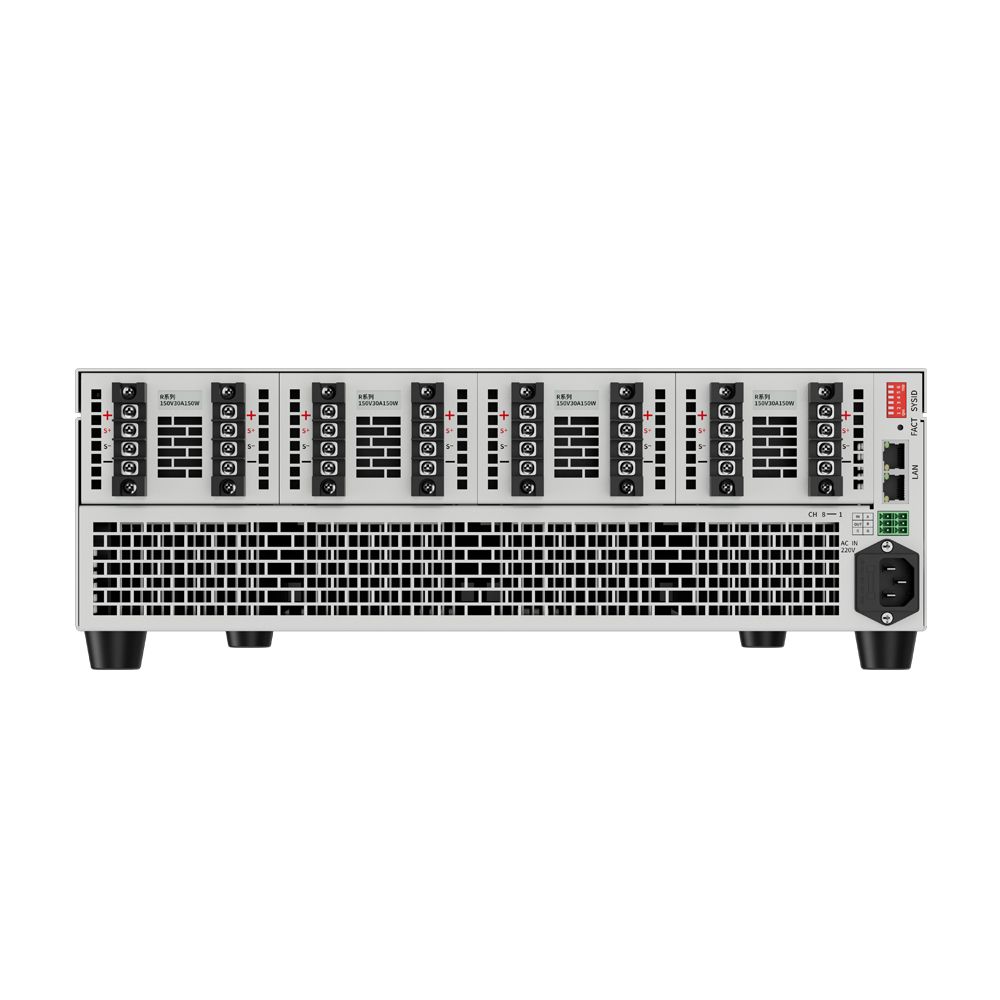
Complementary Detection Mechanisms: Latent Opens vs. Thermal Degradation Signatures
Intermittent faults in wiring harnesses rarely present as binary failures. Instead, they evolve through stages: initial micro-fractures, progressive oxidation, thermal runaway at weak points, and eventual open-circuit failure. The FTI5000 excels at exposing mechanically driven intermittents — those rooted in crimp integrity, strain relief design, or vibration-induced fretting — by forcing thermal-mechanical stress through intentional overcurrent pulsing. Its output is inherently binary (fuse blown / not blown) or time-based (cycles-to-failure), offering clear go/no-go thresholds for production line deployment.
The FT6100, meanwhile, detects electrically emergent intermittents — resistance anomalies occurring during normal or elevated operation. A 20 mΩ spike lasting 15 ms at a connector under 10 A load may indicate a micro-gap opening under thermal expansion; this signature is invisible to continuity testers but readily captured by the FT6100’s high-speed sampling and channel-synchronized acquisition. It also supports long-duration aging tests — e.g., 72-hour load cycling at 80% rated current — to identify thermal degradation trends before catastrophic failure.
Neither approach replaces the other. The FTI5000 validates robustness against fault-triggering events; the FT6100 validates functional stability under operational conditions. Together, they form a dual-axis screening strategy for zero-defect harness manufacturing.
Application Alignment: When to Choose FTI5000 vs. FT6100 for Wiring Harness Intermittent Fault Test
Selecting between the FTI5000 and FT6100 depends on test objectives, production volume, and failure mode priorities. Use the FTI5000 series Fuse Tester when your focus is on fuse-integrated circuit validation, crimp-and-terminal reliability, or qualification against ISO 8820 or SAE J1127 overcurrent endurance requirements. Its simplicity, speed, and deterministic pass/fail output make it ideal for final assembly verification and incoming component screening.
Opt for the FT6100 series Multichannel electronic load array when your priority is system-level functional validation, root-cause analysis of field returns, or detection of load-dependent intermittents — especially where harnesses interface with ECUs, BMS modules, or high-power actuators. Its flexibility in waveform shaping, multi-channel correlation, and real-time resistance tracking supports both R&D characterization and high-throughput production testing.
For comprehensive wiring harness intermittent fault test coverage, leading Tier 1 suppliers deploy both tools in sequence: FTI5000 for accelerated mechanical stress screening, followed by FT6100 for dynamic functional validation — ensuring no latent defect escapes detection across the full failure spectrum.