
FaithTech
FaithTech designs and manufactures programmable DC power supplies and electronic loads for energy, industrial, automotive, electronics, and aerospace applications.
Copyright © 2026 FaithTech
FaithTech designs and manufactures programmable DC power supplies and electronic loads for energy, industrial, automotive, electronics, and aerospace applications.
Copyright © 2026 FaithTech

Regenerative feedback capability is critical for high-power DC electronic loads used in energy storage, microgrid R&D, UPS validation, and renewable energy system testing. Unlike dissipative loads, regenerative DC loads feed energy back into the AC grid—making accurate measurement of round-trip efficiency, harmonic content, and dynamic stability essential. The FTR7000 series Regenerative feedback programmable DC electronic load (0–3MW) delivers verified performance up to 3MW and is validated by industry leaders including Eaton, Vertiv, and NVIDIA. To fully characterize its regenerative behavior, it must be paired with high-accuracy, wide-bandwidth power meters such as the FTM7200 Power Meter or FTM8008.
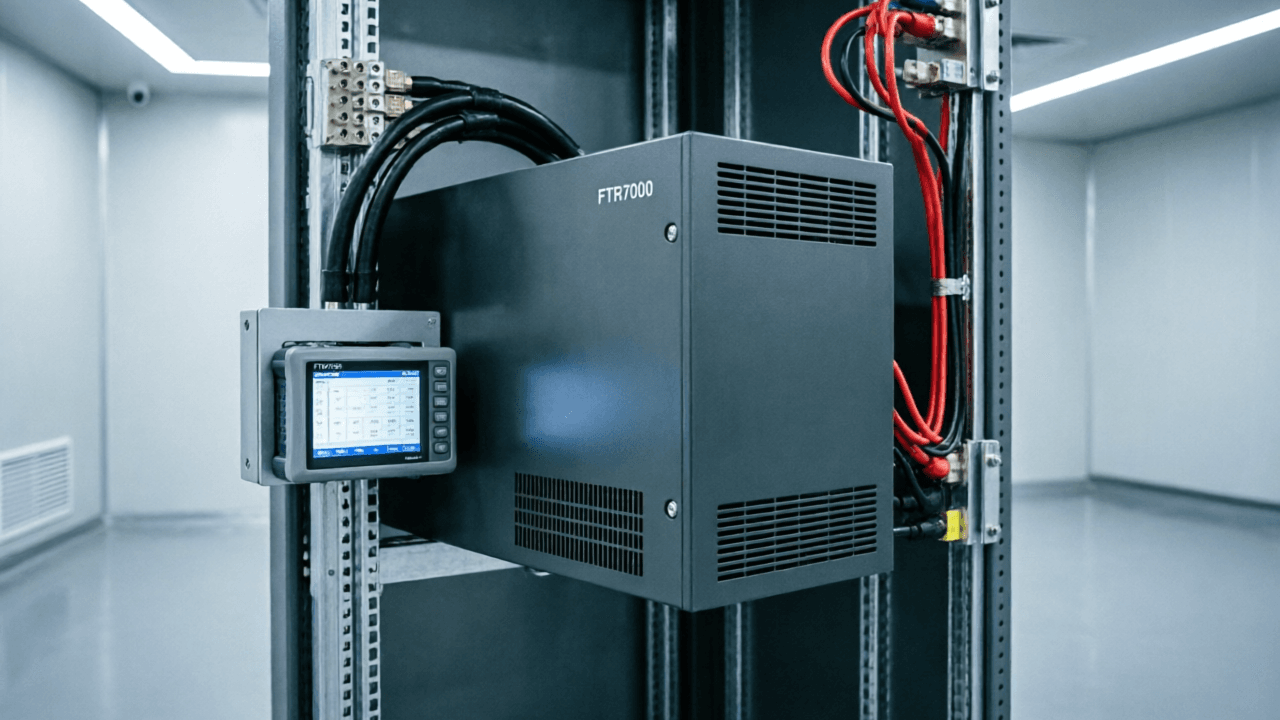
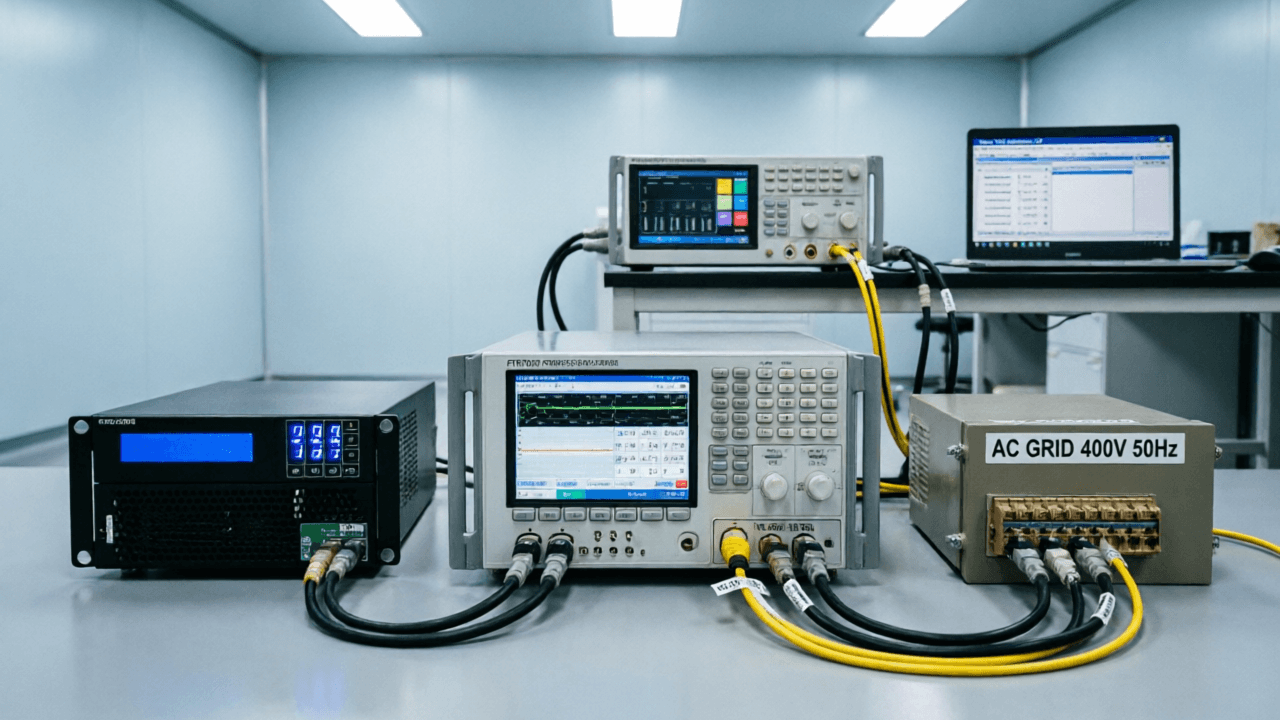
System Configuration & Safety Setup
Round-Trip Efficiency Measurement
Grid Return Waveform Fidelity Assessment
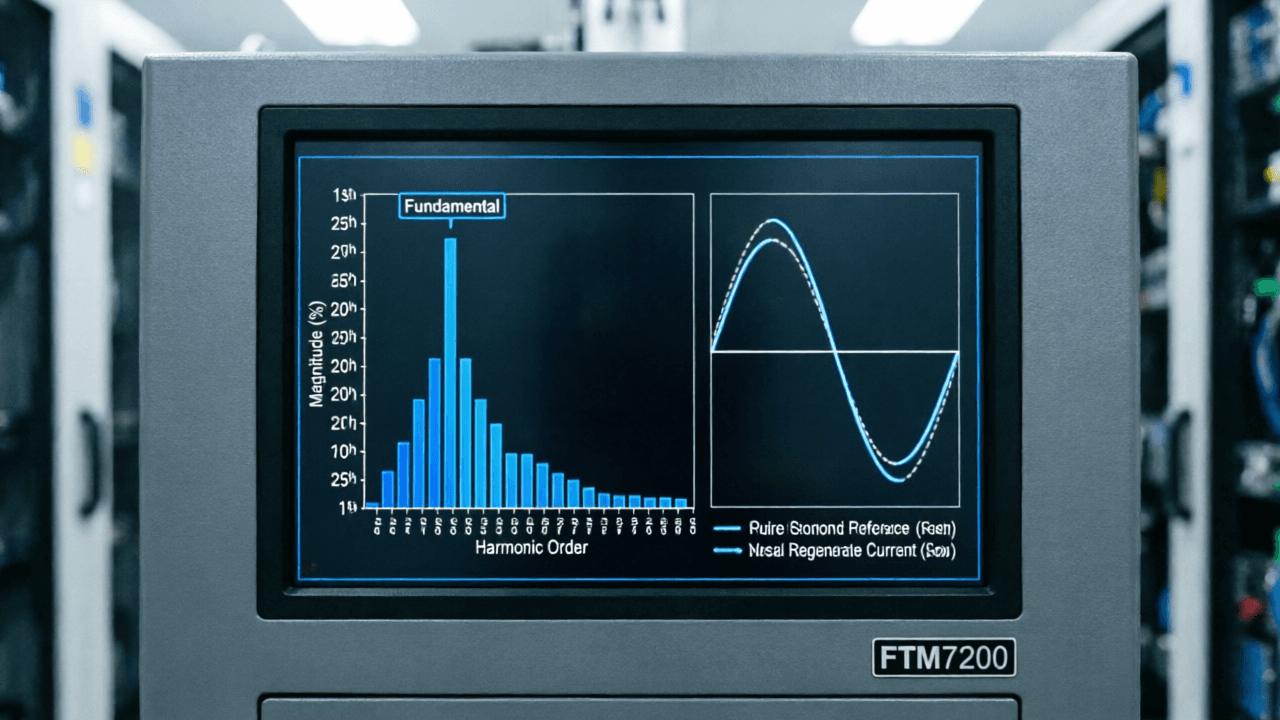
Three core metrics define successful regenerative DC load validation:
The FTR7000’s built-in grid support features—including reactive power control, low-voltage ride-through (LVRT), and anti-islanding protection—must be validated concurrently using synchronized FTM7200 measurements. For photovoltaic wind power testing and UPS power supply test applications, this ensures interoperability with modern smart-grid infrastructure.
The FTR7000 + FTM7200/FTM8008 combination supports diverse use cases beyond basic efficiency checks:
All configurations benefit from the FTR7000’s native support for SCPI and Modbus TCP protocols, enabling automated test sequencing and data logging. When combined with the FTM7200’s energy star test and switching power supply test capabilities, labs achieve traceable, repeatable, and standards-compliant regenerative DC load validation tests.
For detailed specifications and application notes, refer to the official product pages: FTR7000 series Regenerative feedback programmable DC electronic load (0–3MW) and FTM7200 Power Meter.