
FaithTech
FaithTech designs and manufactures programmable DC power supplies and electronic loads for energy, industrial, automotive, electronics, and aerospace applications.
Copyright © 2026 FaithTech
FaithTech designs and manufactures programmable DC power supplies and electronic loads for energy, industrial, automotive, electronics, and aerospace applications.
Copyright © 2026 FaithTech

The proliferation of Internet of Things (IoT) devices has introduced stringent demands on power management and battery life optimization. IoT sensor nodes typically operate in ultra-low power sleep states, waking periodically to transmit data. Characterizing these highly dynamic current profiles requires a test setup capable of both high-speed data logging and high-resolution current sinking. By combining the FTM8000 series modular automated data acquisition and control system with the FT6200A series small power electronic load, engineers can construct a comprehensive automated IoT power profiling system. This integration allows for precise control over test parameters while capturing the microscopic current transients that define IoT device behavior.
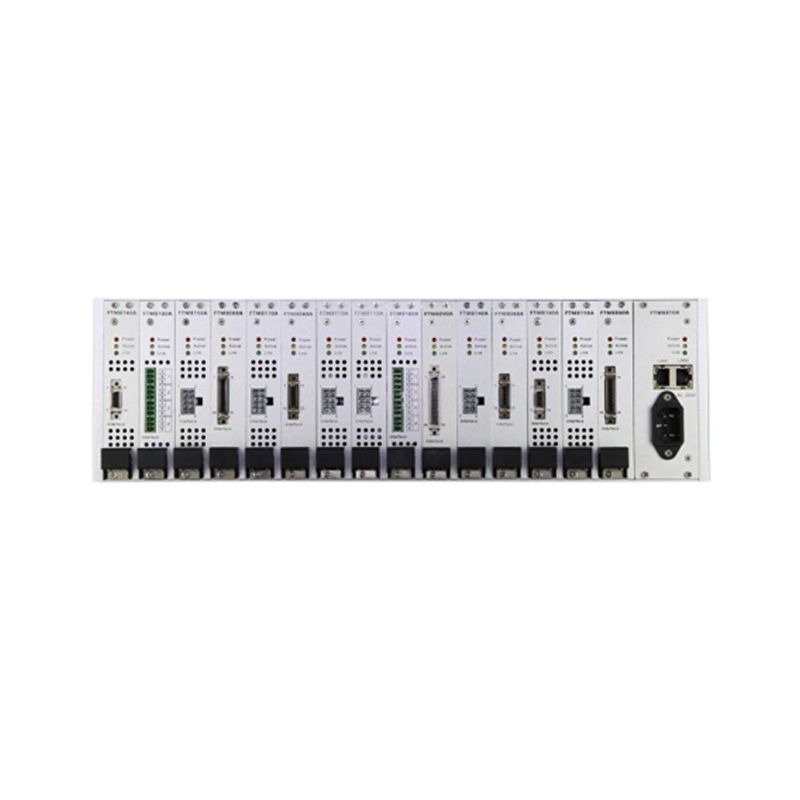
The foundation of this testing workflow relies on the seamless communication between the data acquisition unit and the electronic load. The FTM8000 serves as the central orchestrator, managing the timing, sequencing, and data collection. The FT6200A acts as the active sink, drawing precise amounts of current to simulate various operational states of the IoT device's power management circuitry.
Integration begins with establishing physical and logical connections. The FT6200A comes standard with an RS232 interface, enabling remote control directly from the FTM8000 automated system. Additionally, the FT6200A includes a current monitoring port and a standard digital I/O port, facilitating trigger-based synchronization. This ensures that the FTM8000 begins logging exactly when the FT6200A initiates a load change. The FT6200A also features a SENSE terminal on the front panel that supports remote sampling, which is critical for maintaining measurement accuracy at the device under test (DUT) by eliminating the voltage drop across the load leads.
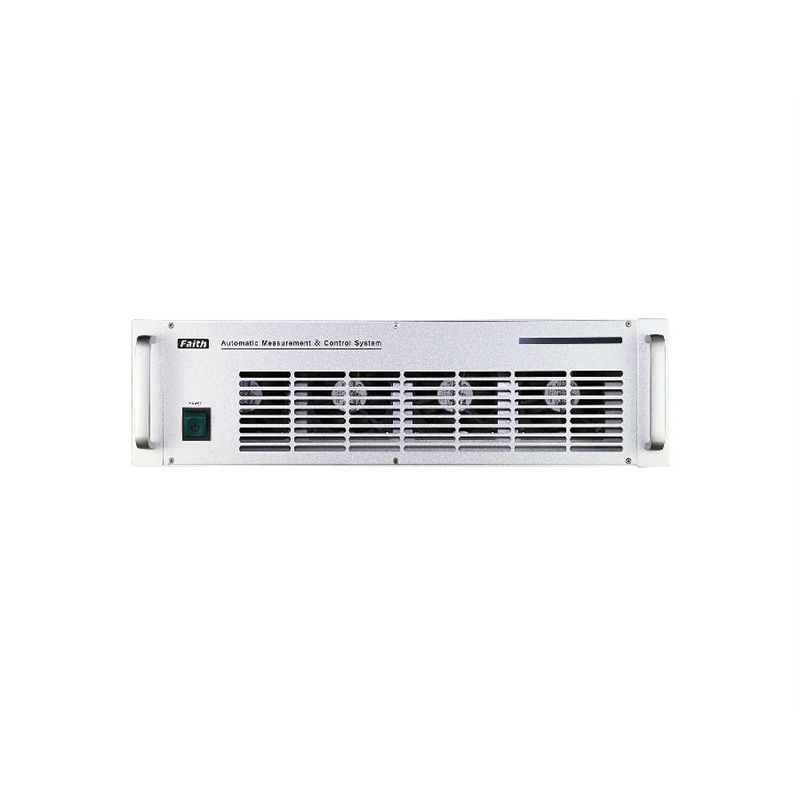
IoT devices present a unique challenge: their current draw can swing from microamps in sleep mode to milliamperes during radio transmission. The FT6200A is specifically designed to handle these variations with exceptional precision. The minimum current resolution reaches 0.05mA, and the minimum voltage resolution reaches 0.5mV. This high granularity is essential for an automated IoT power profiling system, ensuring that even the smallest leakage currents are accurately captured. Furthermore, the load offers a current accuracy of 0.05% + 0.05% F.S. and a voltage accuracy of 0.025% + 0.025% F.S.
To simulate real-world IoT duty cycles, the FT6200A supports dynamic testing up to 50kHz. Engineers can utilize the powerful load sequence editing function to achieve high-speed complex carrier shapes. This allows the load to mimic the rapid wake-up and sleep transitions of a sensor node. The load operates in Constant Current (CC), Constant Voltage (CV), Constant Resistance (CR), and Constant Power (CP) modes, providing the flexibility needed to test various power architectures. On-load slope, on-load voltage (Von), and off-load voltage (Voff) can also be configured to replicate specific battery discharge curves or power supply behaviors.
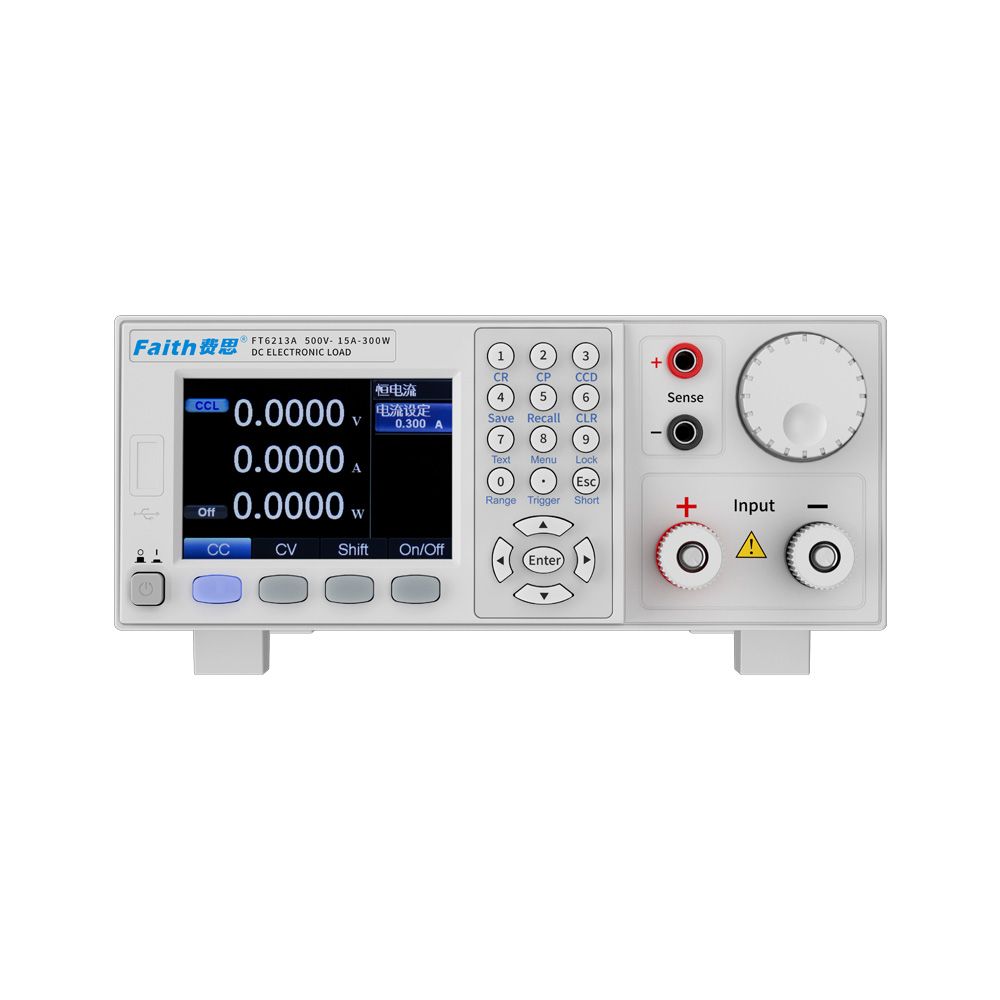
With the hardware integrated and parameters defined, the actual power profiling workflow can be executed. The FTM8000 automates the sequence, commanding the FT6200A to apply specific load conditions while simultaneously recording the DUT's voltage and current responses over time. This synchronized approach captures the complete transient profile of the IoT sensor node.
The FT6200A includes an intelligent automatic test function that can significantly improve test efficiency. By utilizing the fast NG/GO inspection feature, the system can quickly confirm whether the DUT falls within specified power consumption limits. This is particularly valuable in production environments where throughput is critical. The load also supports quick call functionality, allowing one-click retrieval of pre-configured test parameters for different IoT device profiles.
During the profiling process, comprehensive protection functions—including OPP, OCP, OVP, and OT—ensure that both the test equipment and the sensitive IoT DUT are safeguarded against unexpected faults. The FT6200A also provides specific test modes such as LED simulation, load effect testing, and battery internal resistance measurement, alongside an analog short-circuit function, making the integrated FTM8000 and FT6200A setup a versatile solution not just for power profiling, but for broader characterization of IoT power systems.