
FaithTech
FaithTech designs and manufactures programmable DC power supplies and electronic loads for energy, industrial, automotive, electronics, and aerospace applications.
Copyright © 2026 FaithTech
FaithTech designs and manufactures programmable DC power supplies and electronic loads for energy, industrial, automotive, electronics, and aerospace applications.
Copyright © 2026 FaithTech

As modern vehicles incorporate an increasing number of electronic control units (ECUs), infotainment systems, and advanced driver-assistance systems (ADAS), managing vehicle battery drain has become a critical engineering challenge. When a vehicle is parked and the ignition is off, these modules enter low-power or sleep modes. However, they still draw a small amount of current—known as quiescent or static current. If this static power consumption exceeds design limits, it can prematurely deplete the battery, leading to vehicle no-start conditions.
Rigorous static power consumption testing is essential to ensure that every electronic module meets stringent OEM specifications. Because this current is often in the microampere (μA) range, validating it requires highly specialized equipment capable of sourcing stable voltage and measuring extremely low currents without introducing noise or measurement gaps. This is where advanced battery emulation technology becomes indispensable.
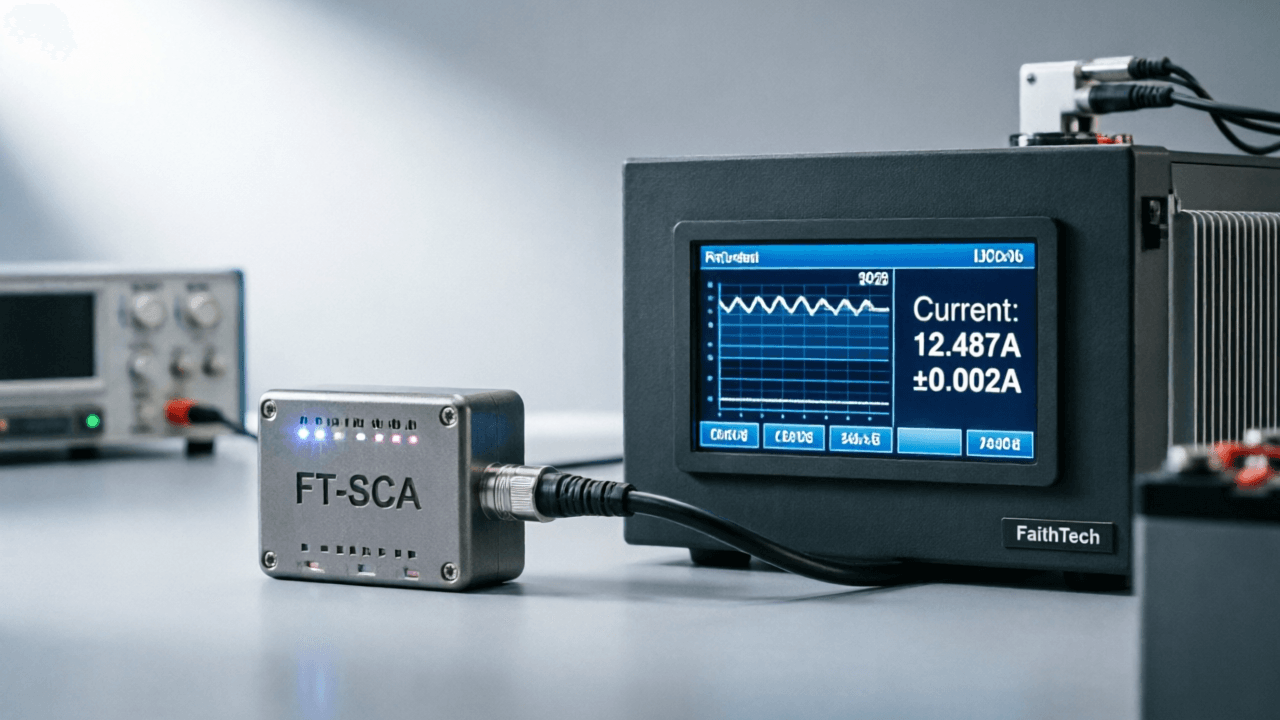
Validating μA-level current presents unique hardware challenges. Traditional bench setups often require engineers to manually switch between high-range current meters for active states and low-range picoammeters for sleep states. This manual switching introduces relay settling times, increases test complexity, and creates brief periods where current measurement is lost, potentially masking transient spikes.
The FT9350 Series Comprehensive Battery Emulator is purpose-built to solve these exact challenges. It features three distinct current measurement ranges equipped with seamless auto-switching. This capability allows the instrument to dynamically transition between high-current operational states and μA-level sleep states without operator intervention or measurement dead zones.
Key specifications that enable precise static power consumption testing include:
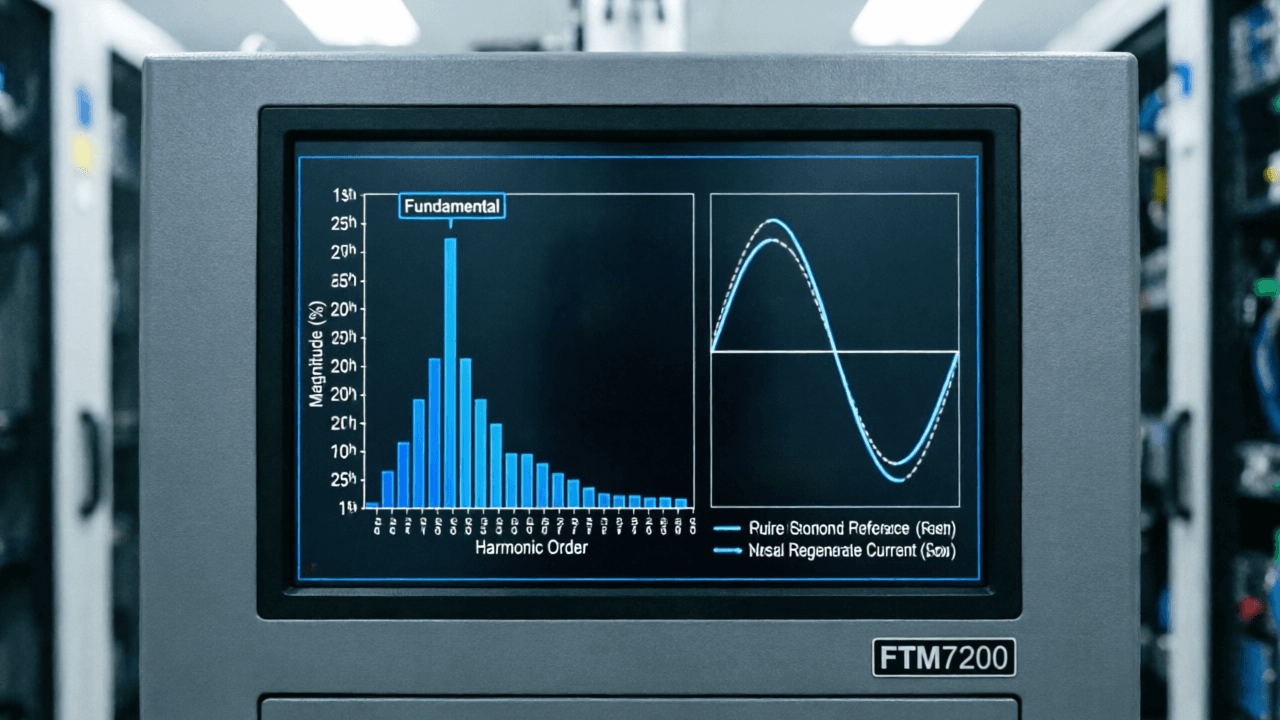
Implementing an effective test protocol requires a systematic approach. Using the FT9350, engineers can establish a repeatable workflow for static power consumption testing.
Using the 4.3-inch high-definition LCD display, configure the output voltage to match the nominal voltage of the vehicle's battery (e.g., 12V or 48V systems). The FT9350’s high voltage accuracy ensures the DUT operates exactly at its intended supply level. For multi-channel or high-voltage architectures, the galvanic isolation between channels supports safe series configurations.
Power on the automotive ECU. The FT9350 will measure the active run-state current using its higher measurement range. The seamless auto-switching feature monitors the current draw in real-time without requiring any test script modifications.
Command the ECU to enter its sleep or low-power state. As the current drops from milliamperes to microamperes, the FT9350 automatically shifts to its most sensitive range. The emulator’s μA-level measurement capability captures the exact static power consumption, allowing engineers to verify compliance with OEM limits.
To ensure robustness, validate how the DUT responds to power anomalies. The FT9350 includes a proprietary fault simulation function that replicates real-world scenarios such as battery disconnection, short circuits, and reverse polarity connection. Testing these edge cases ensures that the module fails safely without excessive parasitic drain.
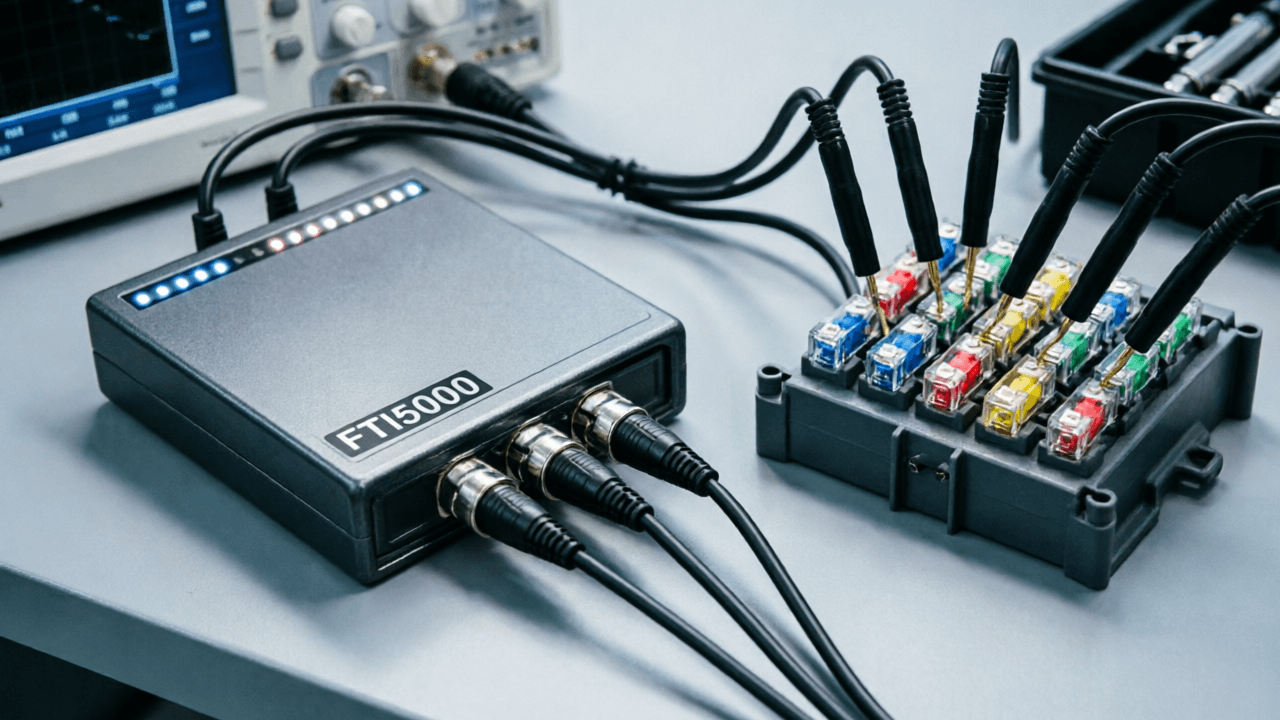
In production environments, throughput and data logging are critical. The FT9350 is equipped with LAN, RS485, and CAN control interfaces, alongside native support for SCPI and Modbus communication protocols. This comprehensive connectivity allows the emulator to be integrated seamlessly into automated test racks.
Engineers can write test scripts that automatically power up the DUT, command sleep modes via the CAN bus, and log the resulting μA-level static power consumption data directly to a centralized database. Additionally, the built-in USB interface enables easy file import/export and screen capture functions, simplifying test documentation and debugging.
By leveraging a comprehensive battery emulator for static power consumption testing, automotive electronics manufacturers can guarantee module reliability, prevent field failures, and ensure vehicles start reliably even after extended periods of inactivity.