
FaithTech
FaithTech designs and manufactures programmable DC power supplies and electronic loads for energy, industrial, automotive, electronics, and aerospace applications.
Copyright © 2026 FaithTech
FaithTech designs and manufactures programmable DC power supplies and electronic loads for energy, industrial, automotive, electronics, and aerospace applications.
Copyright © 2026 FaithTech

Modern consumer electronics and power tools rely heavily on lithium-ion battery technology. From wireless drills to smartphones, these devices must operate flawlessly across a range of battery conditions—including full charge, partial discharge, and end-of-discharge voltages. Testing these products using actual battery cells introduces significant variability, as a battery's voltage and internal resistance fluctuate based on temperature, age, and charge cycles.
A battery cell simulating power supply eliminates this variability by electrically replicating the behavior of a battery cell. By providing a stable, controllable, and repeatable direct current (DC) source, engineers can isolate the performance of the device under test (DUT) from the inconsistencies of a physical battery. This ensures that validation and production line testing yield accurate, reproducible results.
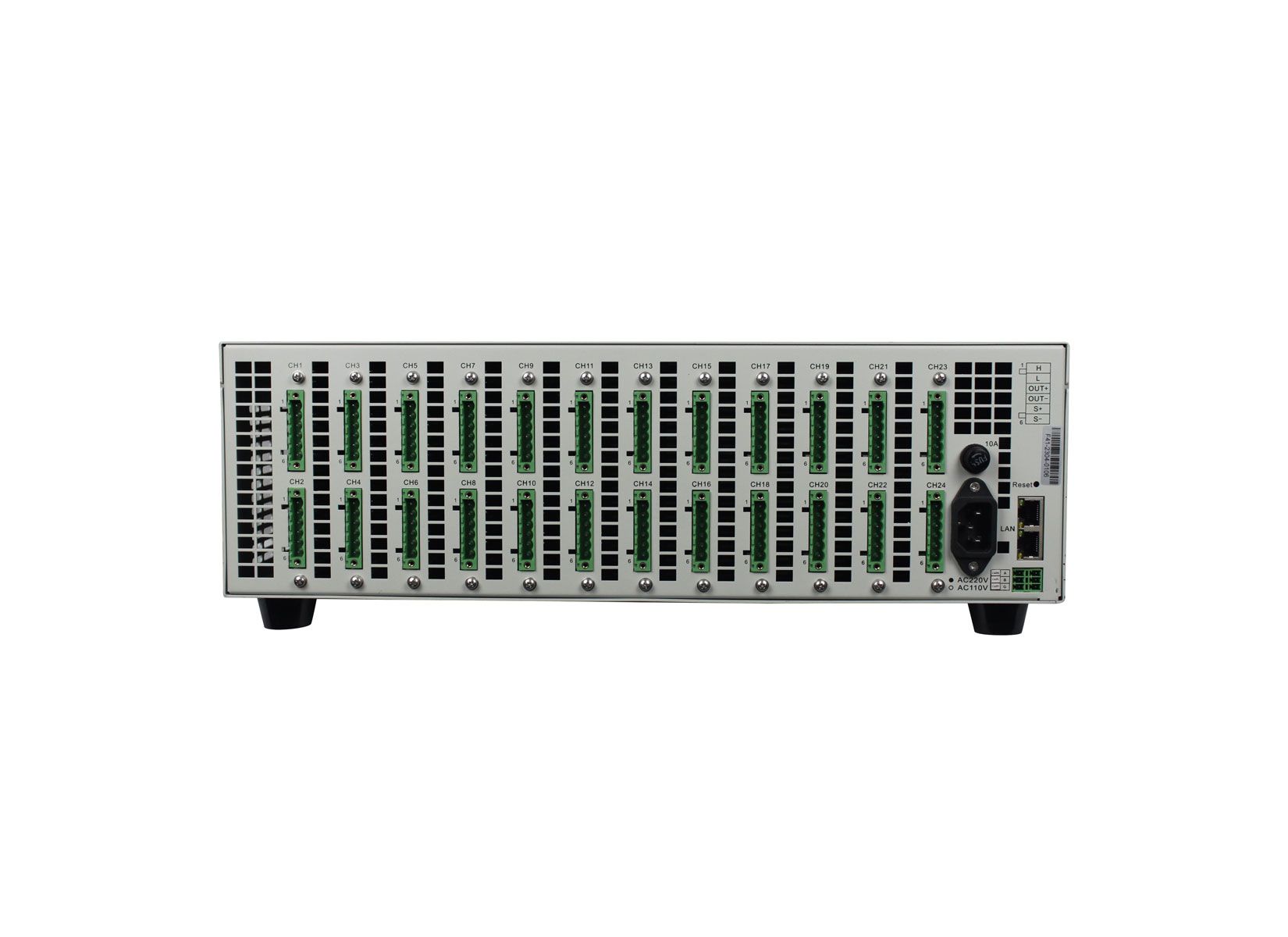
Consumer electronics such as headphones, mobile phones, tablets, and e-cigarettes are highly sensitive to voltage fluctuations. A drop of even a few millivolts can trigger a low-battery warning or cause a microcontroller to reset. To properly validate the power management integrated circuits (PMICs) and overall device stability, test equipment must offer exceptional precision.
The FT8331 Series battery cell simulating power supply delivers a voltage accuracy of up to 0.01% F.S. (Full Scale). This level of precision allows test engineers to simulate exact battery voltage thresholds, ensuring that the DUT behaves predictably. Whether evaluating the cutoff voltage of an e-cigarette heater coil or the charging IC of a tablet, the FT8331 provides the exacting voltage fidelity required to catch design flaws and verify component tolerances.
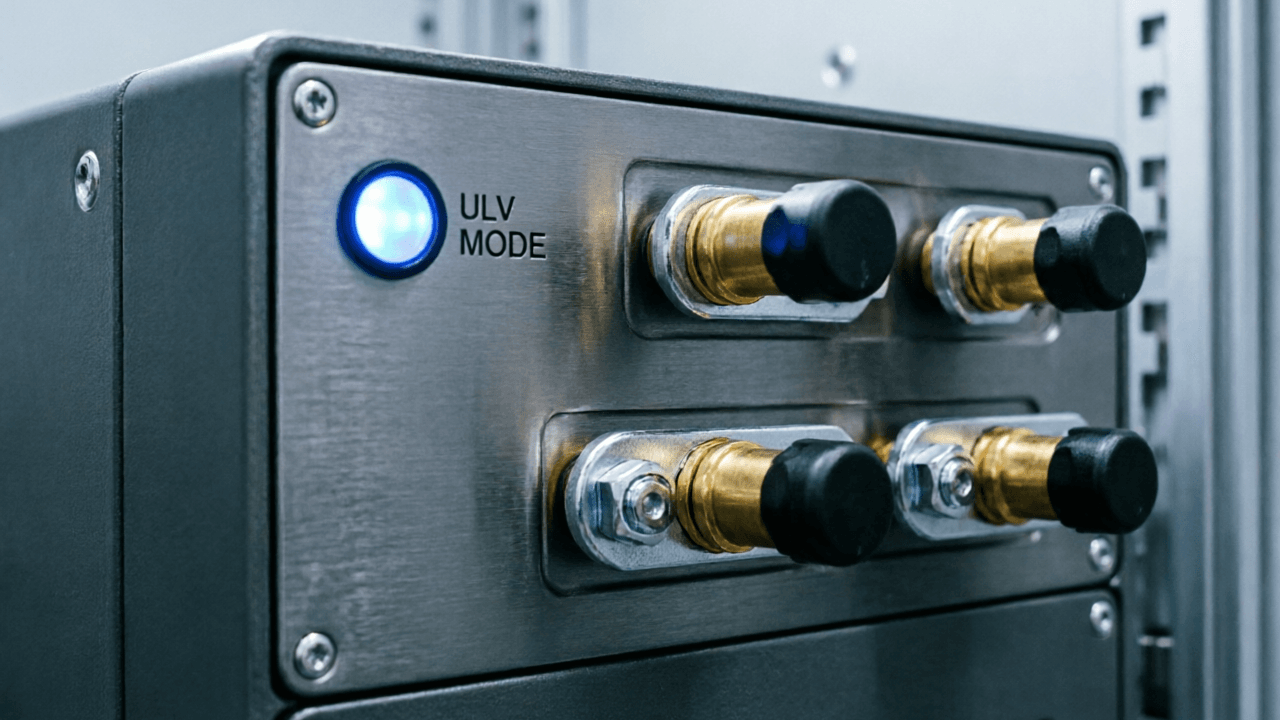
Power tools present a unique challenge in production testing. Devices like cordless drills, impact drivers, and circular saws draw high inrush currents—often tens of amperes—when the motor first starts. Testing these tools with physical batteries on a fast-moving production line is impractical due to charge depletion, safety risks, and inconsistent state-of-charge between battery packs.
Using a battery cell simulating power supply, manufacturers can standardize their power tool production tests. The FT8331 can be programmed to output the nominal voltage of a standard power tool battery pack while providing the necessary current to sustain high-draw motor operations. Because the power supply maintains a stable output regardless of the load, manufacturers can verify motor performance, trigger response, and thermal management systems with absolute repeatability. This guarantees that every power tool leaving the assembly line meets the same rigorous electrical standards.
Beyond simply powering the end product, a battery cell simulating power supply is essential for validating the Battery Management System (BMS) itself. The BMS is responsible for monitoring cell voltage, current, and temperature to prevent overcharge, over-discharge, and short circuits. To test the BMS effectively, the power supply must react dynamically and accurately to the system's requirements.
The FT8331 allows engineers to simulate specific cell conditions to verify that the BMS responds correctly. By dialing in precise voltages, testers can confirm that protection circuits trigger exactly at the designated thresholds. This application extends to the broader ecosystem of electronic product testing, where the power supply acts as a reliable substitute for a battery during firmware debugging, calibration, and final quality assurance.
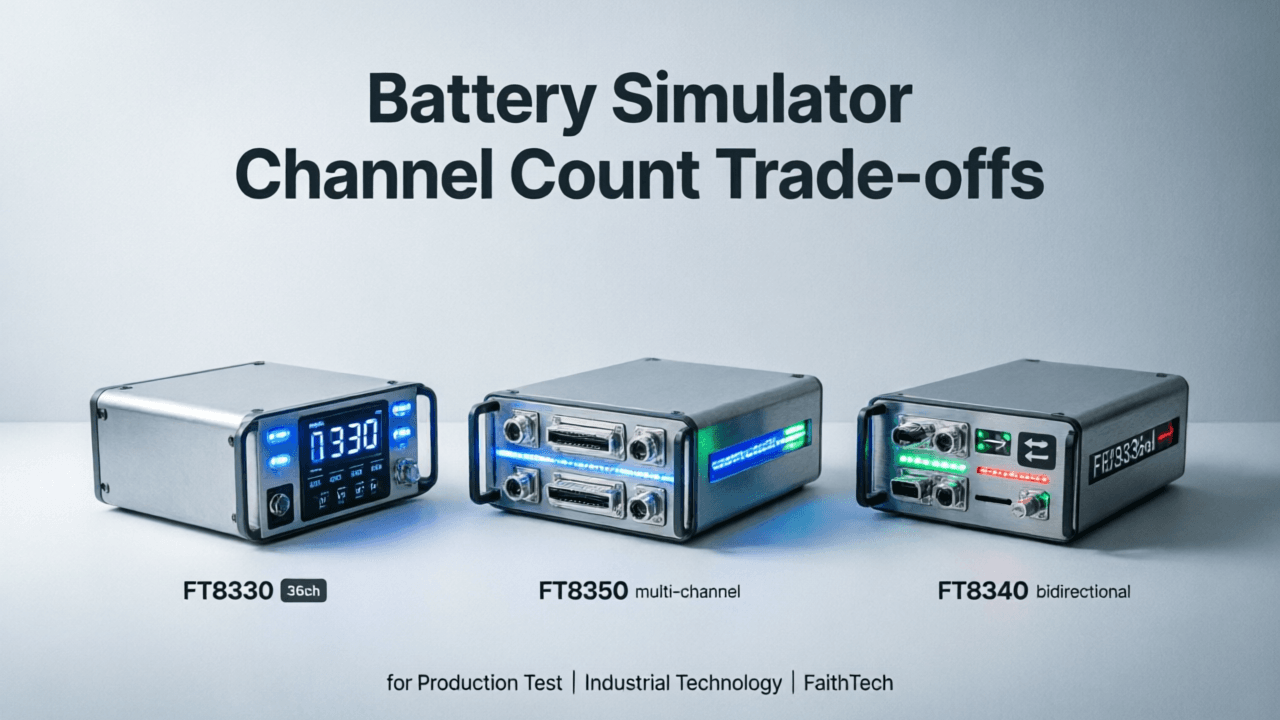
Repeatability is the cornerstone of any reliable manufacturing and validation process. When testing headphones, mobile devices, or heavy-duty power tools, inconsistent power sources lead to false failures, reduced test yields, and prolonged development cycles. The FT8331 battery cell simulating power supply addresses this by providing a deterministic power source that is immune to the environmental and chemical variables affecting physical batteries.
By integrating a dedicated battery simulator into the test architecture, organizations can streamline their workflows across research and development, quality assurance, and final production. The high voltage accuracy and programmable nature of the FT8331 ensure that whether a device is tested today or six months from now, the power delivery remains identical. This consistency ultimately translates to higher product reliability, reduced warranty costs, and faster time-to-market for consumer electronics and power tools alike.