FaithTech
FaithTech designs and manufactures programmable DC power supplies and electronic loads for energy, industrial, automotive, electronics, and aerospace applications.
Copyright © 2026 FaithTech
FaithTech designs and manufactures programmable DC power supplies and electronic loads for energy, industrial, automotive, electronics, and aerospace applications.
Copyright © 2026 FaithTech
Regenerative source and load in one system for battery, EV, motor, storage and PV testing. Scalable up to 2250 V, ±4500 A and 3 MW.
High Performance
High Power Density
Energy Regeneration
Reliability
In brief
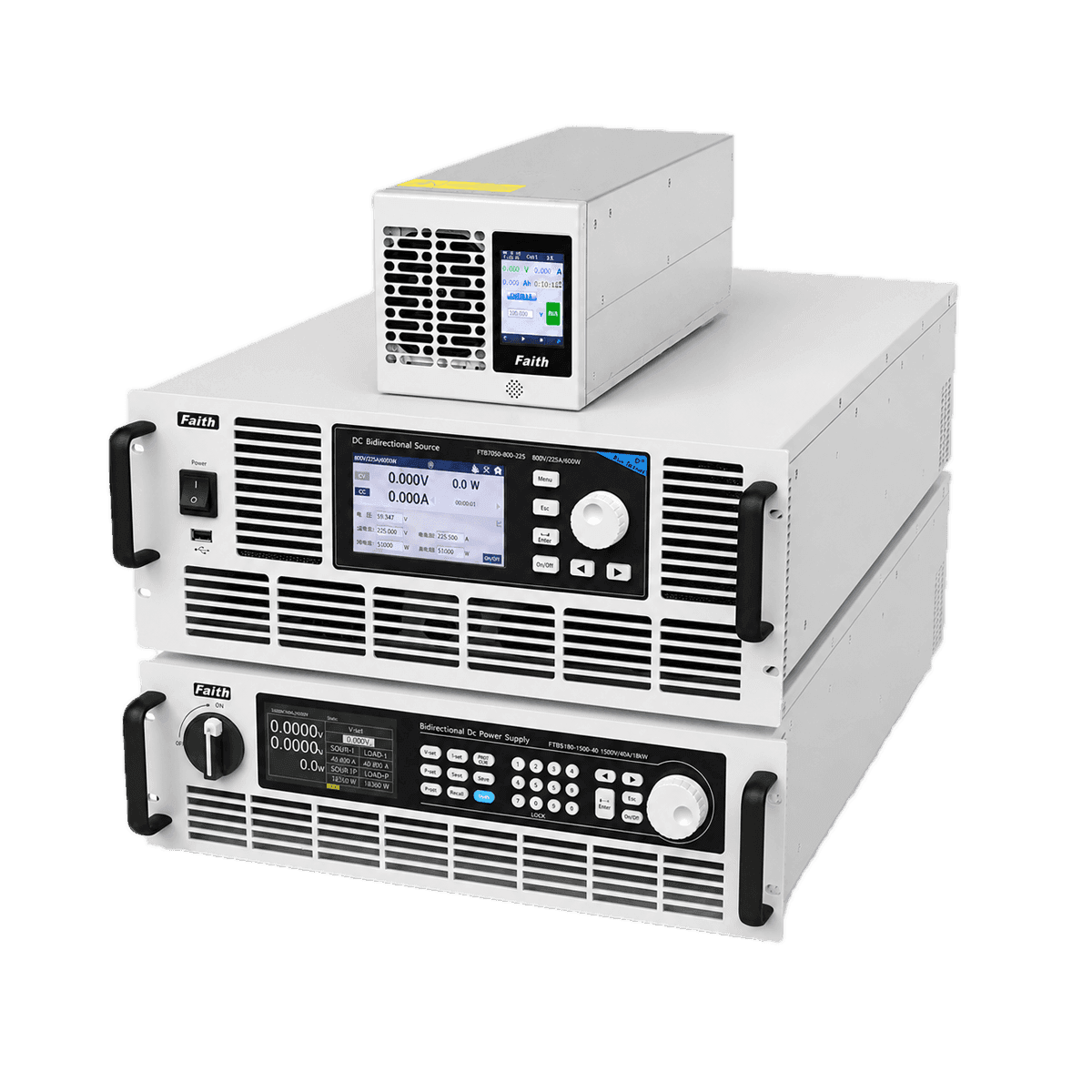
A bidirectional DC power supply combines a programmable DC source and an electronic load in one unit. It supplies power to the device under test, absorbs returned energy, and—when the selected system supports grid regeneration—feeds that energy back to the AC supply instead of dissipating it as heat.
Choose the architecture from the actual energy flow of the test. A bidirectional system is most valuable when the device under test can return energy during charging, braking, discharge, or inverter operation.
| Selection point | Unidirectional supply | Supply + electronic load | Bidirectional regenerative supply |
|---|---|---|---|
| Power flow | Source only | Source and sink in separate instruments | Source and sink in one system |
| Returned energy | Cannot absorb it | Usually dissipated as heat | Returned to the AC supply when regeneration is supported |
| Test workflow | Best for source-only devices | Requires more cabling and coordination | Seamless charge, discharge and regenerative test cycles |
| Best fit | Simple DC loads | Occasional sink tests | Battery, EV, motor, storage and PV inverter testing |
High Current and Precision
High Power Density and Versatility
Up to 95% regeneration efficiency reduces wasted energy and heat.
Voltage and current ranges cover component, rack and megawatt-level systems.
Rapid source-to-sink control supports dynamic power testing.
Modular and parallel configurations adapt to future test capacity.
Common interfaces and control software support repeatable test sequences.
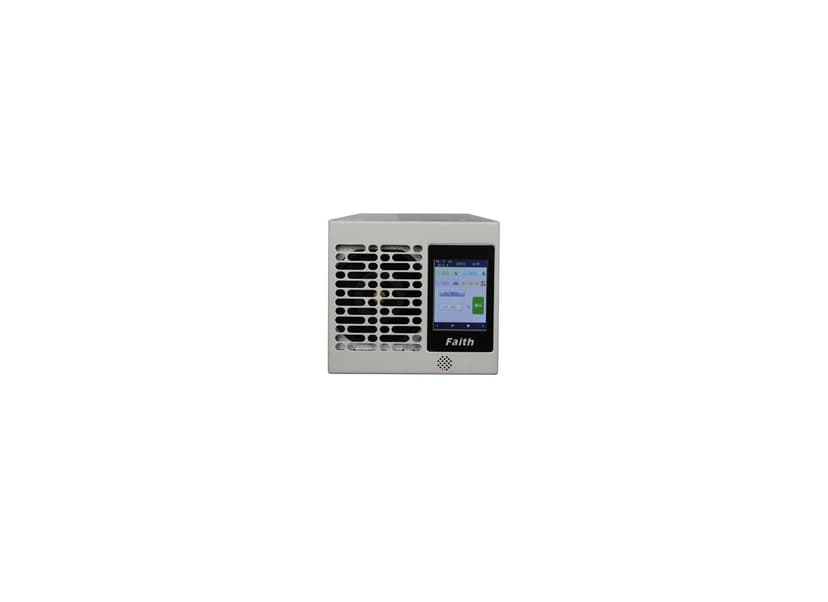
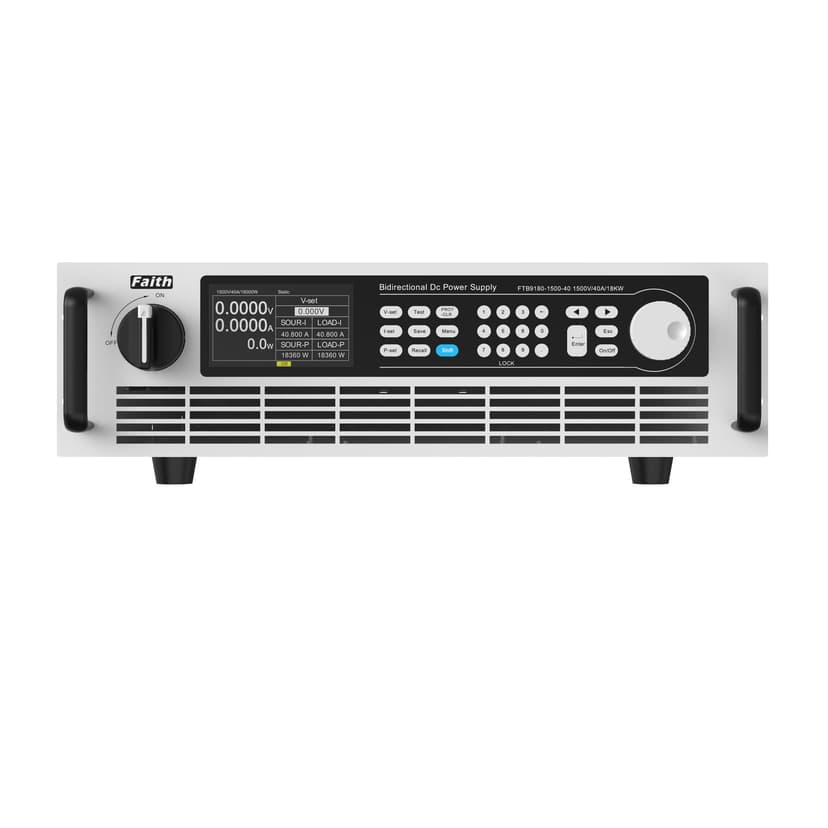
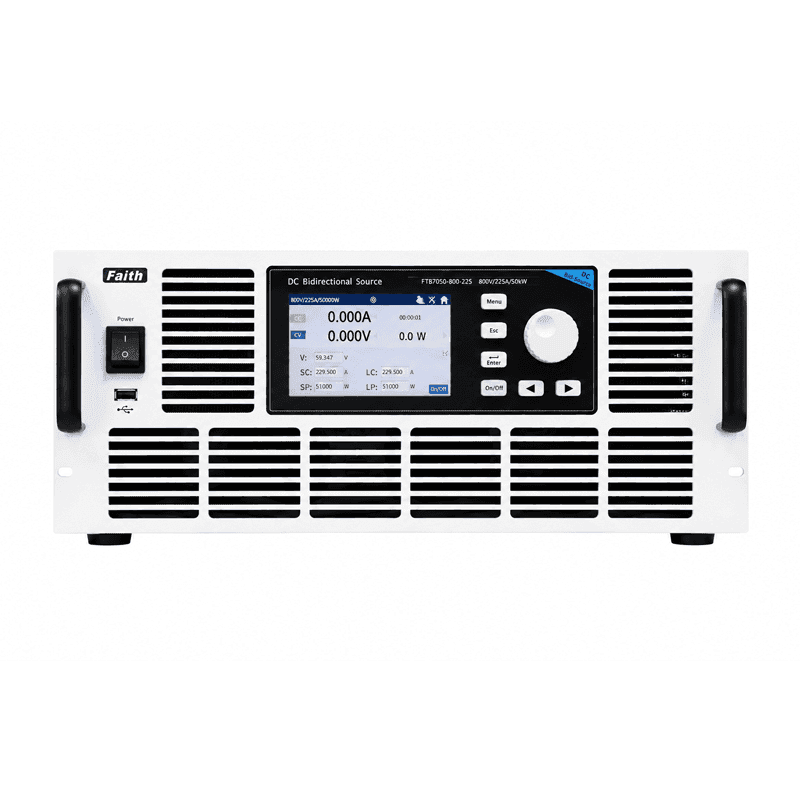
| Model | FTB9000 Series | FTDM Series | FTB7000 Series |
|---|---|---|---|
| Topology | Bidirectional DC power source | Modular bidirectional system | Bidirectional DC power source |
| Power per unit | 0 to ±180 kW | Up to 3U / 60 kW | 0 to ±300 kW |
| Maximum system power | Up to 1.8 MW (parallel expansion) | Supports parallel expansion | Up to 3 MW (parallel expansion) |
| Voltage range | 0 to 2250 V | Wide output voltage range | 0 to 2250 V |
| Current range | 0 to ±4500 A | High precision and fast response | 0 to ±2880 A |
| Key features |
|
|
|
| Best for | Automotive electronics and PV array simulation | Test centers, production testing and modular systems | Energy storage, PV inverters, motors and R&D validation |
Battery Pack and Cell Testing
EV Powertrain Testing
Energy Storage Systems
BMS Testing
Motor Controller Testing
PV Inverter Testing
Continue with practical setup guidance and an engineering comparison of regenerative and conventional test architectures.
It is a programmable DC system that can both source power to and absorb power from a device under test. Regenerative models can return absorbed energy to the AC supply.
No. Bidirectional describes source and sink power flow. Regenerative means the absorbed energy is returned to the facility power system instead of being dissipated as heat. Confirm this capability for the selected model.
A unidirectional supply is usually sufficient when the device only consumes DC power and never returns meaningful energy during operation or testing.
Cover the complete operating window, including transient voltage, peak source and sink current, regenerated power, duty cycle and the margin required for parallel expansion.
Battery cycling, EV powertrain, motor braking, energy storage, DC-DC converter and PV inverter tests benefit because energy frequently flows back from the device under test.
Yes. Depending on the selected series, parallel configurations can scale the system to megawatt-level power. Final sizing should be confirmed against the test voltage, current and duty cycle.
Share your voltage, current, power, application and duty cycle. Our application engineers will recommend the appropriate series and system size.