FaithTech
FaithTech entwickelt und fertigt programmierbare Gleichstrom-Stromversorgungen und elektronische Lasten für Anwendungen in den Bereichen Energie, Industrie, Automobil, Elektronik und Luft- und Raumfahrt.
Urheberrecht © 2026 FaithTech
FaithTech entwickelt und fertigt programmierbare Gleichstrom-Stromversorgungen und elektronische Lasten für Anwendungen in den Bereichen Energie, Industrie, Automobil, Elektronik und Luft- und Raumfahrt.
Urheberrecht © 2026 FaithTech
In battery test system development—especially for battery management system (BMS) validation, cycle-life characterization, or ultra-low leakage current assessment—the accuracy of current measurement directly determines pass/fail outcomes, safety margins, and regulatory compliance. A deviation of just a few microamps during sleep-mode current testing can invalidate months of qualification work. Yet many engineers default to the built-in current measurement of programmable electronic loads or DC power supplies, assuming ‘good enough’ performance. That assumption overlooks critical metrological distinctions: traceability pathways, intrinsic noise floors, and physical installation constraints—all of which become decisive when 10 ppm (0.001%) precision is required.
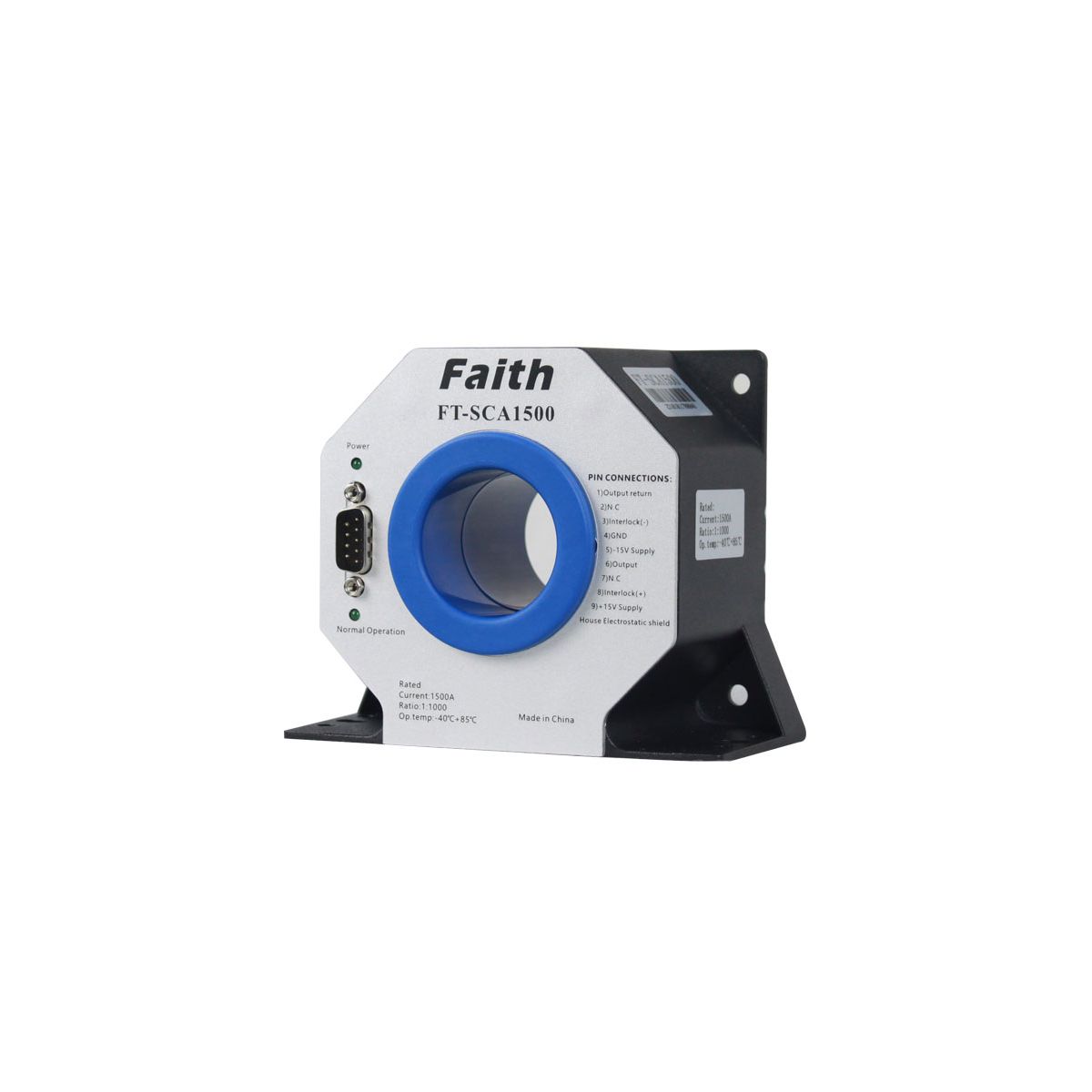
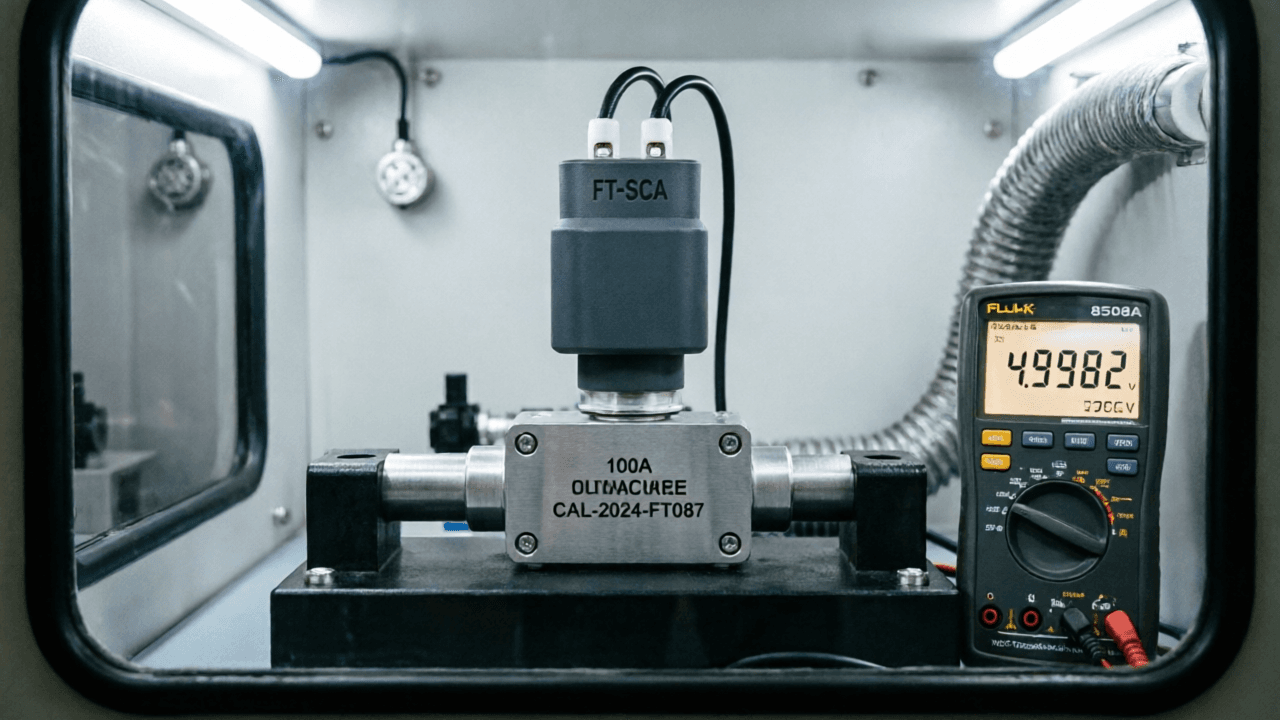
Built-in meters in commercial loads and supplies typically rely on internal shunts or Hall-effect sensors calibrated at the factory against proprietary standards. While some manufacturers offer optional recalibration services, these rarely provide full uncertainty budgets or NIST-traceable documentation suitable for ISO/IEC 17025-compliant labs. In contrast, the FT-SCA series High precision current sensor is engineered explicitly for verification and calibration applications—including metrology-grade current measurement. Its 10 ppm current precision rating reflects end-to-end performance under defined conditions, supporting direct traceability to national standards when used with certified reference equipment. This makes the FT-SCA a foundational tool for establishing primary measurement chains in battery test system calibration workflows—where every link must be documented, repeatable, and auditable.
Ultra-low leakage testing often requires stable sub-100 µA measurements over hours or days. Built-in meters frequently exhibit higher low-frequency noise (e.g., 1–5 µA RMS), thermal drift, and limited bandwidth due to shared analog signal paths with voltage regulation and protection circuitry. Their sampling architecture may also introduce aliasing or averaging artifacts that mask true quiescent behavior. The FT-SCA series, by contrast, employs dedicated, isolated sensing architecture optimized for stability and minimal interference. Its design prioritizes low thermal EMF, high common-mode rejection, and wide dynamic range—enabling reliable resolution down to nanoamp-level signals without sacrificing bandwidth. This capability is essential not only for static leakage checks but also for capturing transient current events during BMS fault response or wake-up sequences.
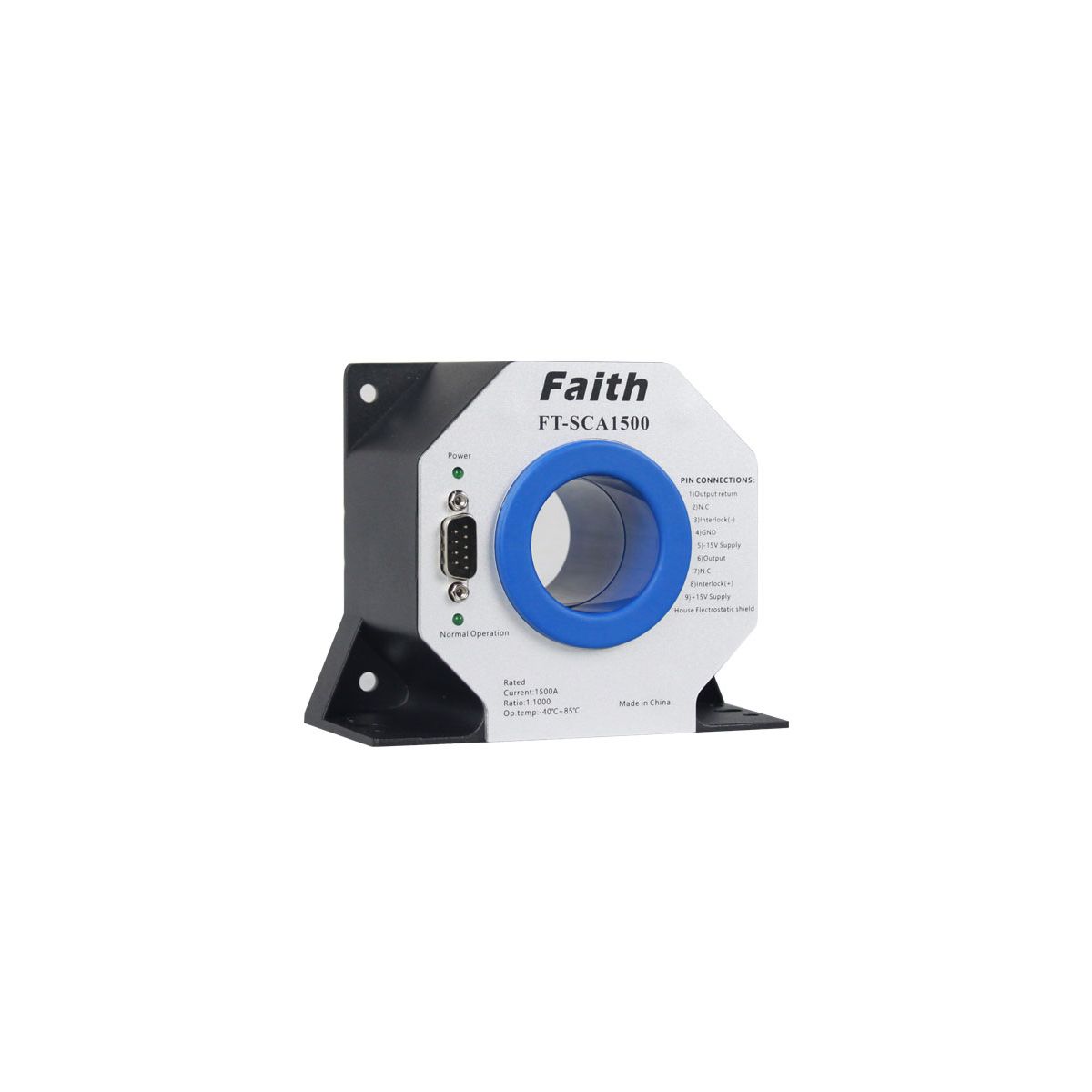
Integrating a high-fidelity current sensor into a battery test system isn’t just about specs—it’s about practical deployment. Built-in meters are fixed in location and orientation, limiting where and how current is measured (e.g., only on the load side, never across the DUT’s ground return). They also inherit all upstream noise from the power stage, including switching ripple and grounding transients. The FT-SCA series offers modular mounting options—including busbar, PCB-mount, and clamp-style variants—that allow placement at optimal measurement points: directly at the battery terminal, within the BMS sense path, or across isolation barriers. Its galvanic isolation (up to 6 kV typical) eliminates ground-loop errors and enables floating measurements critical for multi-cell stack testing. Furthermore, its analog output (±10 V) and digital interface options simplify synchronization with high-speed DAQ systems and automated calibration software—unlike proprietary communication protocols embedded in many integrated meters.
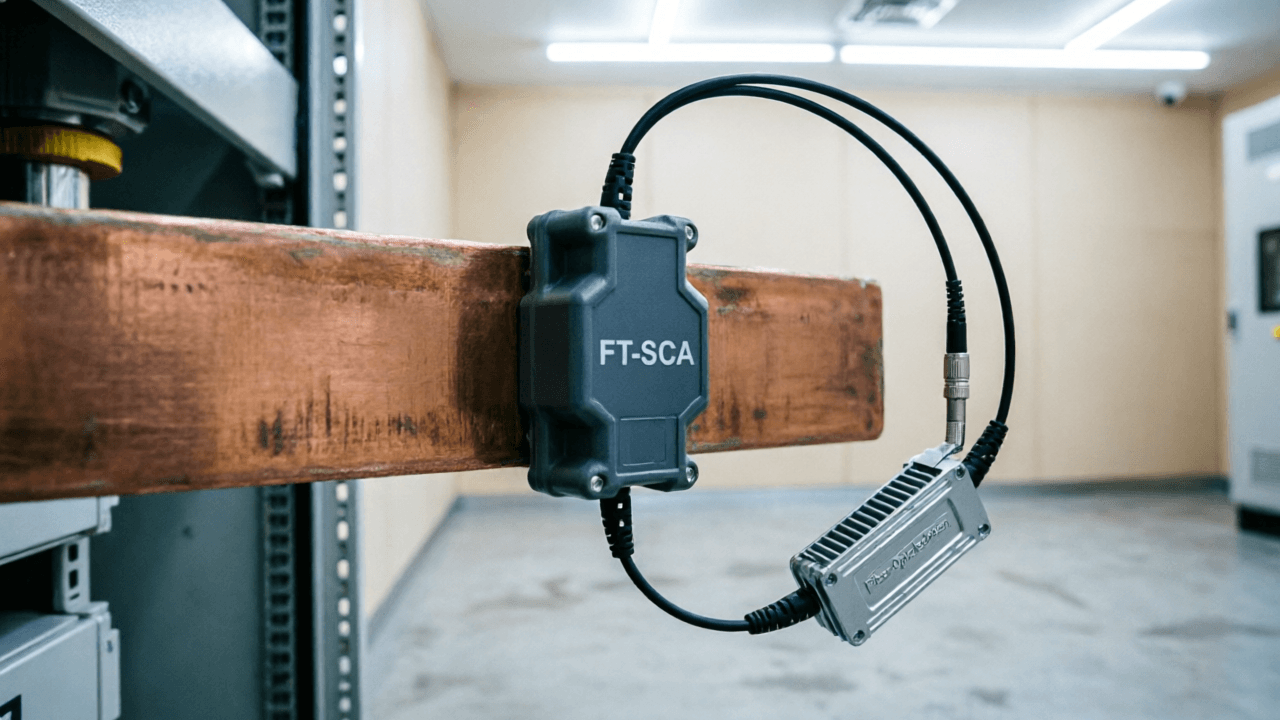
Use built-in meters for rapid prototyping, functional verification, or applications where ±0.1% accuracy suffices—for example, gross charge/discharge profiling or thermal stress screening. Reserve the FT-SCA series High precision current sensor for mission-critical calibration tasks: BMS validation per ISO 26262 ASIL-B/C requirements, UL 1973 or IEC 62619 certification testing, or R&D into next-generation solid-state battery chemistries demanding nanoamp-level leakage fidelity. The FT-SCA does not replace the load or supply—it complements them, transforming the entire test system into a metrologically robust platform. As battery technologies push toward higher energy density, longer lifetimes, and stricter safety mandates, the distinction between ‘measured’ and ‘calibrated’ current is no longer academic—it’s foundational.