

Introduction to High-Current Battery I-V Characterization
High-current battery and fuel cell testing demands precise, synchronized instrumentation to capture true electrochemical behavior under heavy loads. When characterizing power batteries, lead-acid batteries, or fuel cells, engineers must measure both the static DC response and the dynamic AC internal resistance. Combining the FTM6000 Series AC Impedance Analyzer with the FT68200A/E/H series Ultra-high power electronic load provides a turnkey solution for these rigorous demands. This integration allows engineers to perform comprehensive AC impedance analyzer battery testing, accurately capturing I-V characteristics, Cole-Cole curves, and DC short-circuit data in a single, cohesive workflow.
Understanding the Equipment Capabilities
Before configuring the test setup, it is essential to understand the specific capabilities of each instrument and how they complement one another during high-current testing.
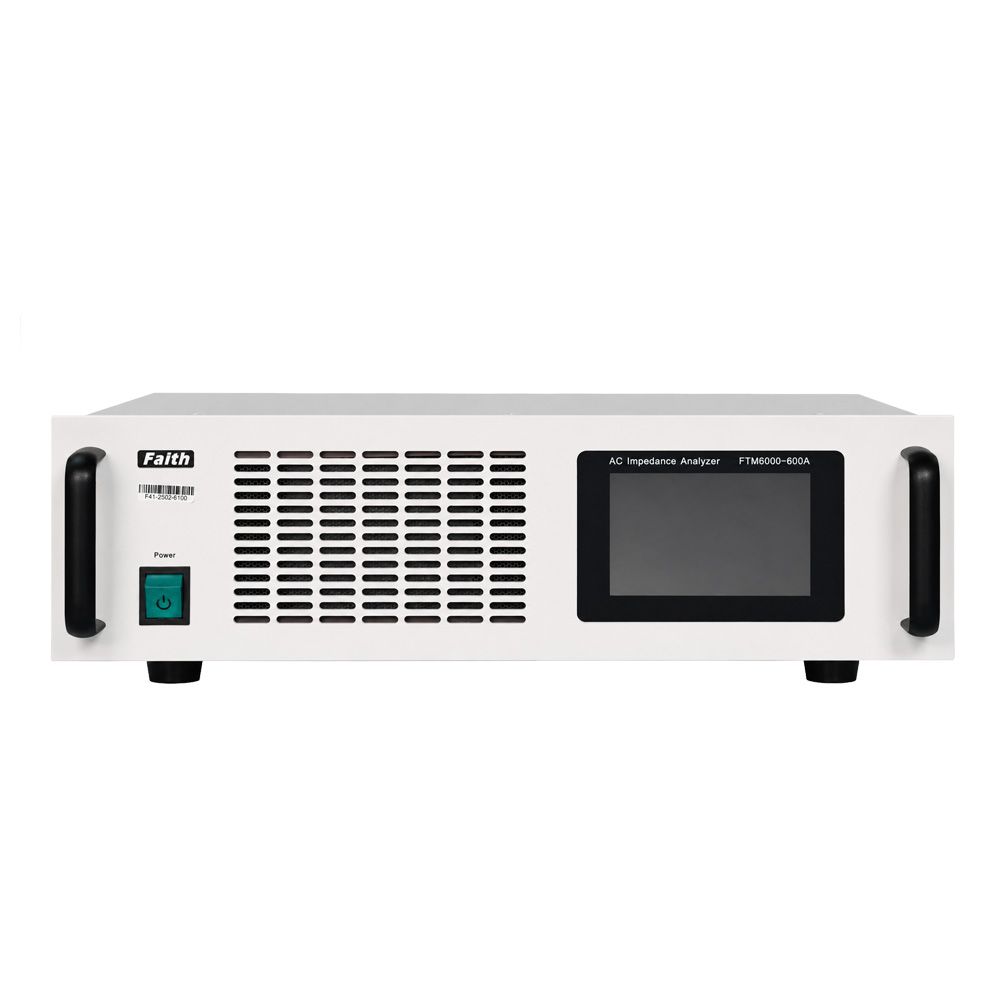
FTM6000 Series AC Impedance Analyzer
The FTM6000 is designed for comprehensive electrochemical impedance spectroscopy. It offers an internal resistance measurement range from 0.01mΩ to 10Ω, making it highly suitable for low-impedance battery packs. The test frequency spans from 0.01Hz to 20kHz, and the analyzer can handle test currents up to 1000A with a test voltage range of 0.01 to 1000V. Crucially, the AC current can be set within the range of 0.1% to 10% of the DC current, allowing for non-intrusive superimposed AC measurements during active DC discharge. It supports various test modes, including I-V characteristics, constant current characteristics, DC short-circuit method, and Cole-Cole curve based on the AC impedance method. Standard configurations include RS232, LAN, RS485, and CAN interfaces, and it supports the Modbus-RTU communication protocol for seamless system integration.
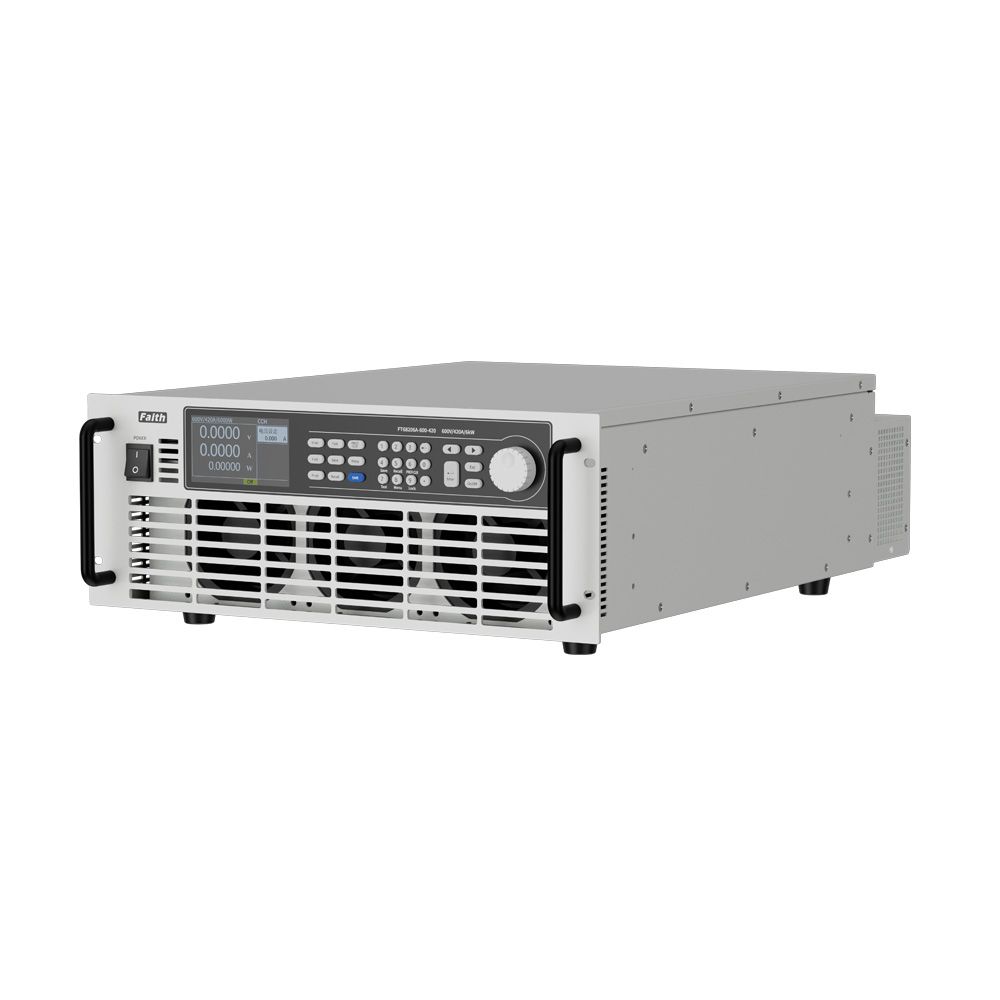
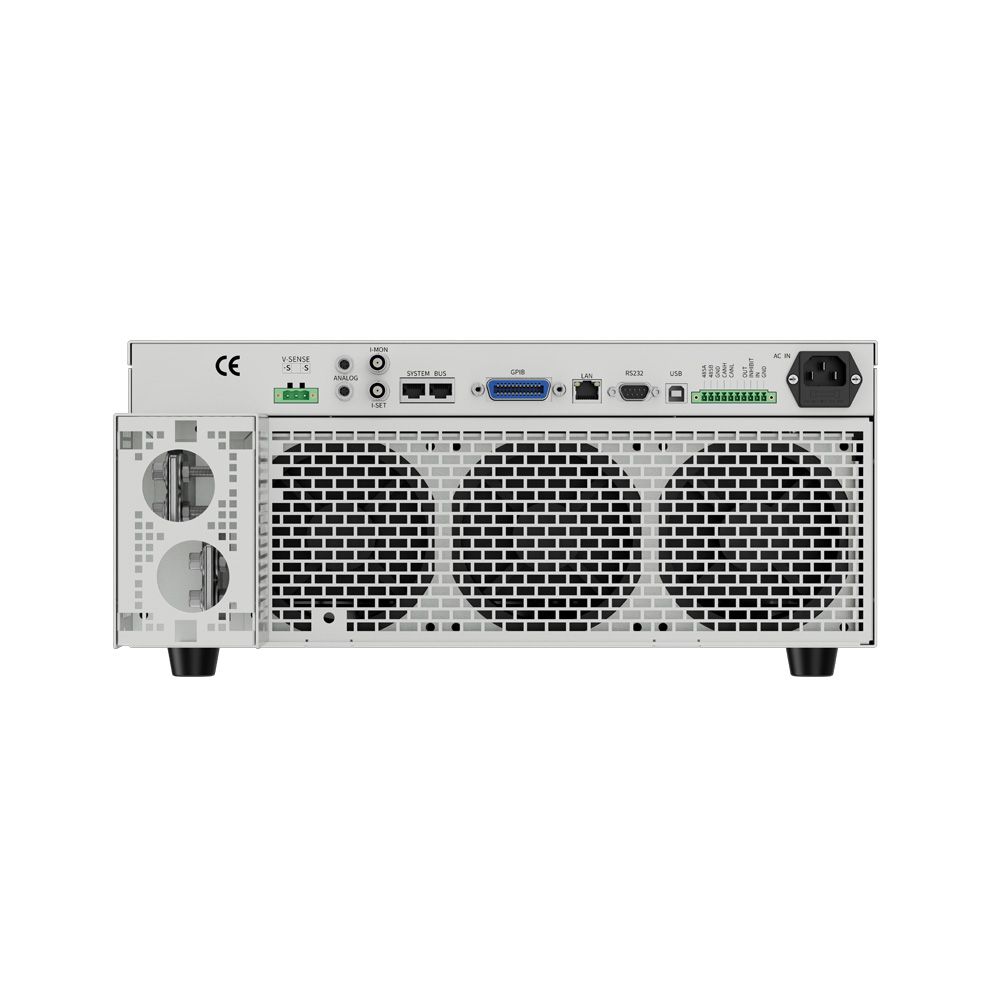
FT68200A/E/H Series Ultra-High Power Electronic Load
The FT68200 series provides the necessary high-power DC sinking capabilities required for stress-testing modern energy storage systems. Verified by Nvidia and Vertiv for AI server testing, this load is highly reliable for testing hydrogen power batteries, lead-acid batteries, and fuel cells via discharge tests. Beyond batteries, it is used for BMS and battery protection device testing, DC charging piles, charging modules, vehicle chargers, A/D power converters, and various power electronic devices. Its ability to maintain stable high-current DC discharge is what makes it the ideal companion to the FTM6000.
Step-by-Step Configuration and Synchronization Workflow
To successfully measure internal resistance and I-V characteristics in high-current battery packs, the FTM6000 and FT68200 must be properly synchronized. The FTM6000 is explicitly designed to be used in conjunction with the FT68200 series load. Follow this workflow to establish a robust testing environment:
- Hardware Connections: Connect the battery pack under test to the FT68200 electronic load using appropriately rated cabling. Next, connect the FTM6000’s voltage sense leads directly to the battery terminals to ensure accurate voltage drop measurements. Ensure the current path from the load does not introduce parasitic impedance into the sense leads.
- Communication Setup: Establish a communication link between the FTM6000, the FT68200 load, and the host PC. Utilize the LAN or RS485 interfaces on the FTM6000, ensuring the Modbus-RTU protocol is correctly configured for command synchronization.
- DC Discharge Configuration: Using the FT68200, set the desired DC discharge current. For I-V characterization, configure the load to step through various current levels to generate the I-V curve.
- AC Impedance Overlay: On the FTM6000, set the AC test frequency (anywhere within the 0.01Hz to 20kHz range). Configure the AC current amplitude to be 0.1% to 10% of the DC current set on the FT68200. This superimposition allows the analyzer to measure the internal resistance without significantly altering the battery's DC operating point.
- Test Mode Selection: Select the appropriate test mode on the FTM6000. For comprehensive profiling, choose the I-V characteristics mode or the Cole-Cole curve mode to observe the battery's electrochemical dynamics across different frequencies.
Executing the Test and Analyzing Results
Once the system is configured, initiate the DC discharge on the FT68200 load. As the load draws the specified high current from the battery or fuel cell, the FTM6000 will superimpose the AC signal and begin capturing data.
During the test, the FTM6000 can perform an AC sweep frequency test, measuring the internal resistance and impedance across the full frequency spectrum. This data is crucial for identifying electrochemical limitations, such as charge transfer resistance and diffusion processes within the cell. By utilizing the I-V characteristics mode, engineers can plot the voltage response against the stepped current loads, while the constant current characteristics mode ensures stable long-term measurements. The Cole-Cole curve generated from this data provides a visual representation of the battery's internal health, allowing for precise evaluation of battery degradation, state of health (SOH), and overall performance under high-stress conditions.
By leveraging the combined power of the FTM6000's precise impedance measurement capabilities and the FT68200's robust high-current sinking performance, engineers can achieve a complete and accurate electrochemical profile of high-power energy storage systems.