

Bridging the Gap in Automated Test Environments
Automated Test Equipment (ATE) systems rely on precise communication between a central controller and a diverse array of test instruments. While modern setups frequently utilize Ethernet or USB interfaces, many established laboratories and manufacturing floors still depend on legacy instruments equipped with standard serial interfaces. Integrating these older devices into a unified GPIB-controlled architecture requires a reliable communication bridge.
A GPIB to RS232 converter serves as this essential bridge. By translating GPIB commands into serial data and vice versa, it allows system controllers to communicate seamlessly with older hardware, preserving the value of existing equipment investments while maintaining the integrity of the overarching test system.
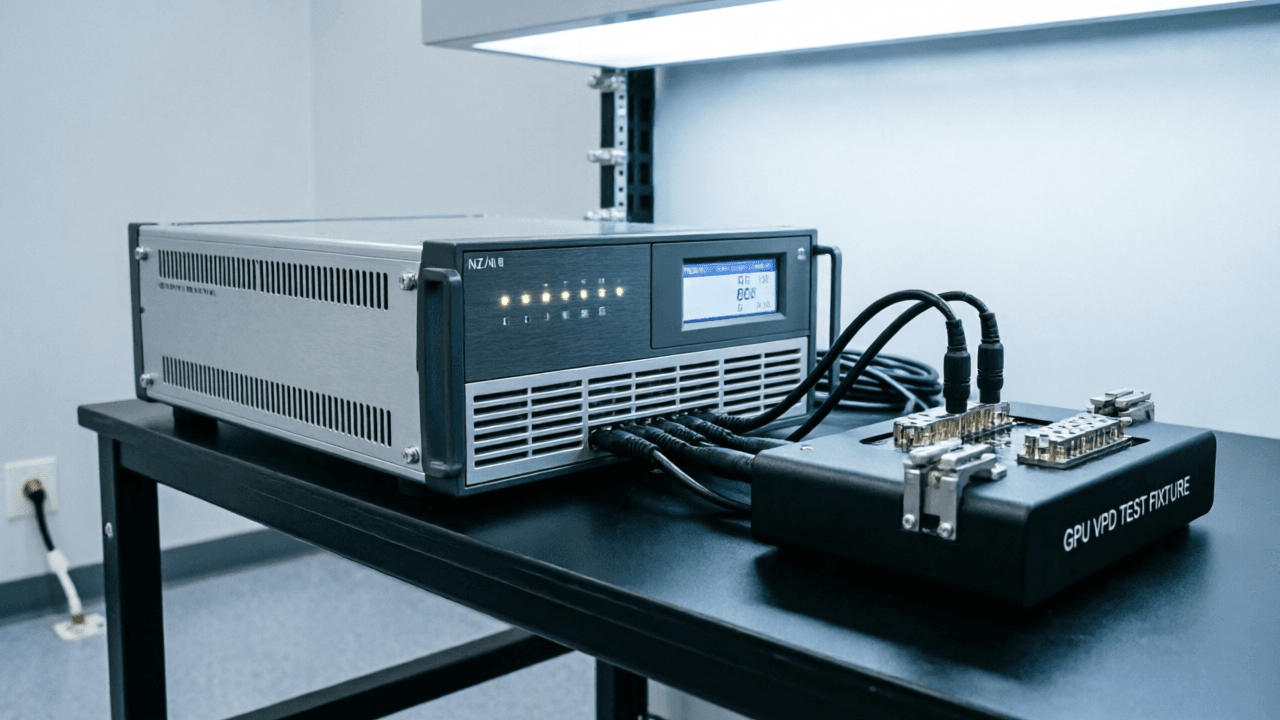
The Role of the FT7130 in Multi-Instrument Control
When managing multi-instrument configurations, the controller must address each device using a common protocol. The FT7130 GPIB-RS232 Converter is engineered specifically to facilitate this integration. As a dedicated protocol translator, it sits between the GPIB bus and the RS232 instrument, ensuring that commands issued by the ATE controller are accurately interpreted by the legacy device.
The FT7130 is compatible with both IEEE 488.1 and IEEE 488.2 standards. This compliance is critical for ATE applications, as it ensures the converter adheres to the established protocols for device addressing, handshaking, and data transfer. By meeting these standards, the converter maintains predictable communication timing and command structure, which are vital for automated sequencing and multi-instrument synchronization.

Configuration and Implementation
Deploying a converter within a legacy ATE system requires careful configuration to match the specific parameters of the target instrument. The FT7130 addresses this need by offering configurable RS232 interface parameters. This flexibility makes it compatible with a wide range of instruments equipped with standard serial interfaces, accommodating the varying baud rates, parity settings, and data bit requirements of different manufacturers.
Implementation is designed to be straightforward:
- Simple Configuration: The setup process is streamlined to minimize system downtime during integration.
- Operational Monitoring: Two status indicator LEDs clearly display the converter’s operating status, allowing technicians to quickly verify data transmission and power states during troubleshooting.
- Form Factor: With compact dimensions of 90 × 60 × 23 mm, the device can be easily integrated into existing test racks without requiring significant physical restructuring.
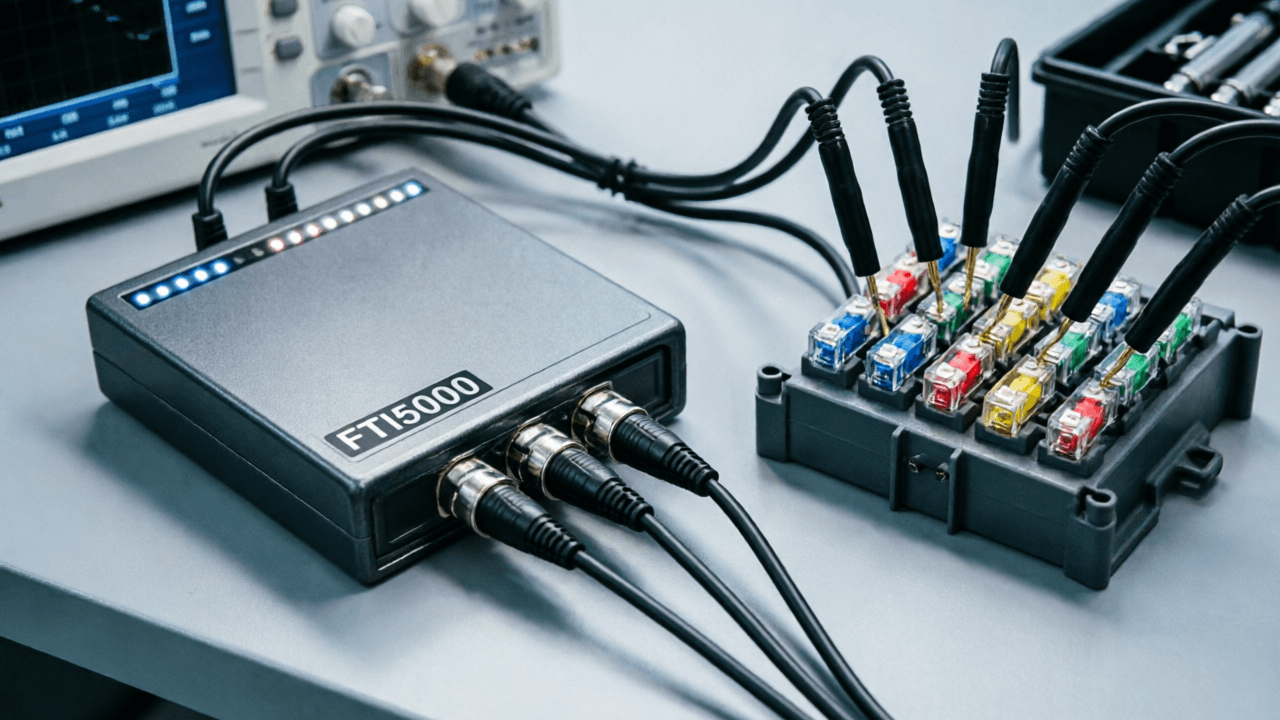
Ensuring Long-Term System Compatibility
The longevity of an ATE system often depends on its ability to adapt to mixed-protocol environments. By utilizing a GPIB to RS232 converter, engineers can modernize their control architecture without discarding functional, calibrated legacy instruments. This approach not only reduces capital expenditure but also prevents the introduction of new measurement variables that could occur when replacing trusted hardware with unproven alternatives.
Furthermore, the FT7130's adherence to IEEE 488.1 and IEEE 488.2 standards ensures that the expanded system remains compliant with industry-recognized test and measurement communication protocols. This guarantees that software drivers and test scripts written for standard GPIB environments can be adapted to address the legacy serial instruments with minimal code modification.
In conclusion, bridging modern ATE controllers with legacy serial instruments requires a robust, standards-compliant translation device. The FT7130 provides the necessary configurable interface, operational transparency, and compact design to achieve reliable multi-instrument control across mixed-protocol test environments.