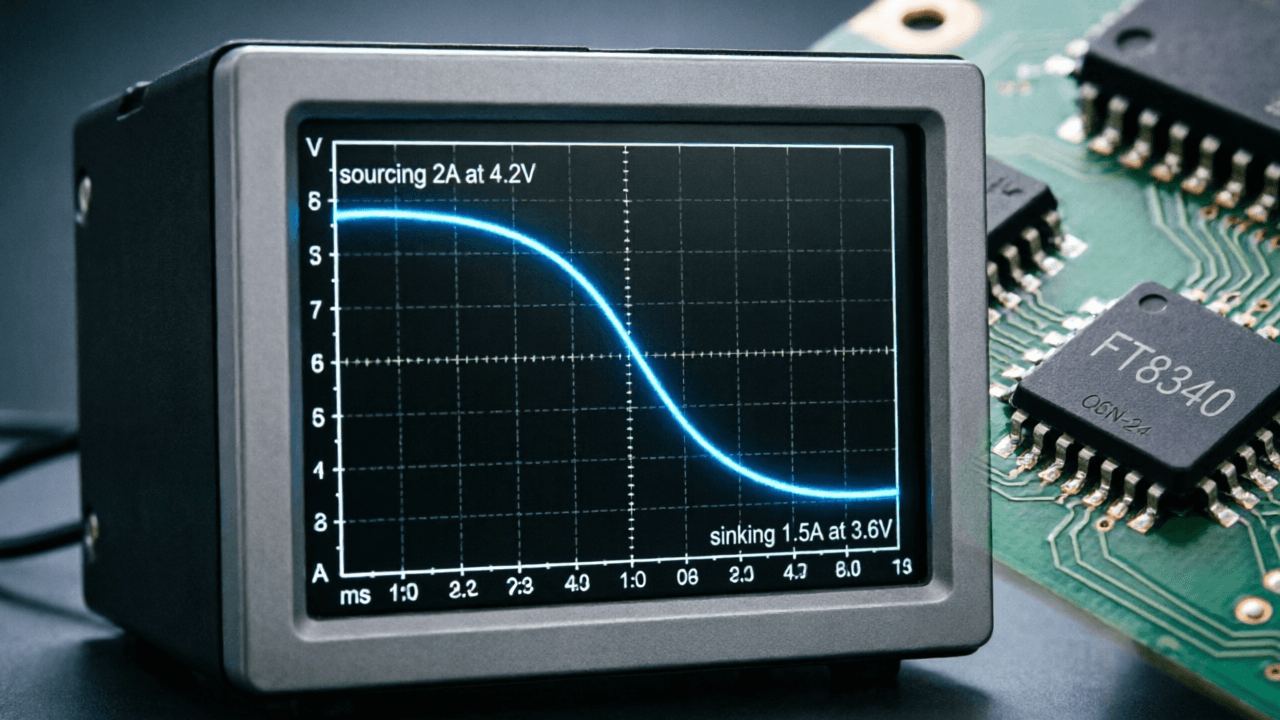

Why Standard DC Power Supplies Can’t Replicate Automotive Transients
Automotive electronic control units (ECUs) must withstand harsh electrical environments—including voltage spikes, dips, interruptions, and slow-rising transients defined in standards like ISO 16750-2, LV 124, and GMW3172. General-purpose DC power supplies lack the dynamic response, slew rate control, and built-in waveform libraries needed to reproduce these events with fidelity. They cannot generate fast-rising pulses (< 1 µs rise time), sustain high-current load steps during low-voltage conditions, or precisely sequence multiple transient profiles without external scripting or hardware add-ons.
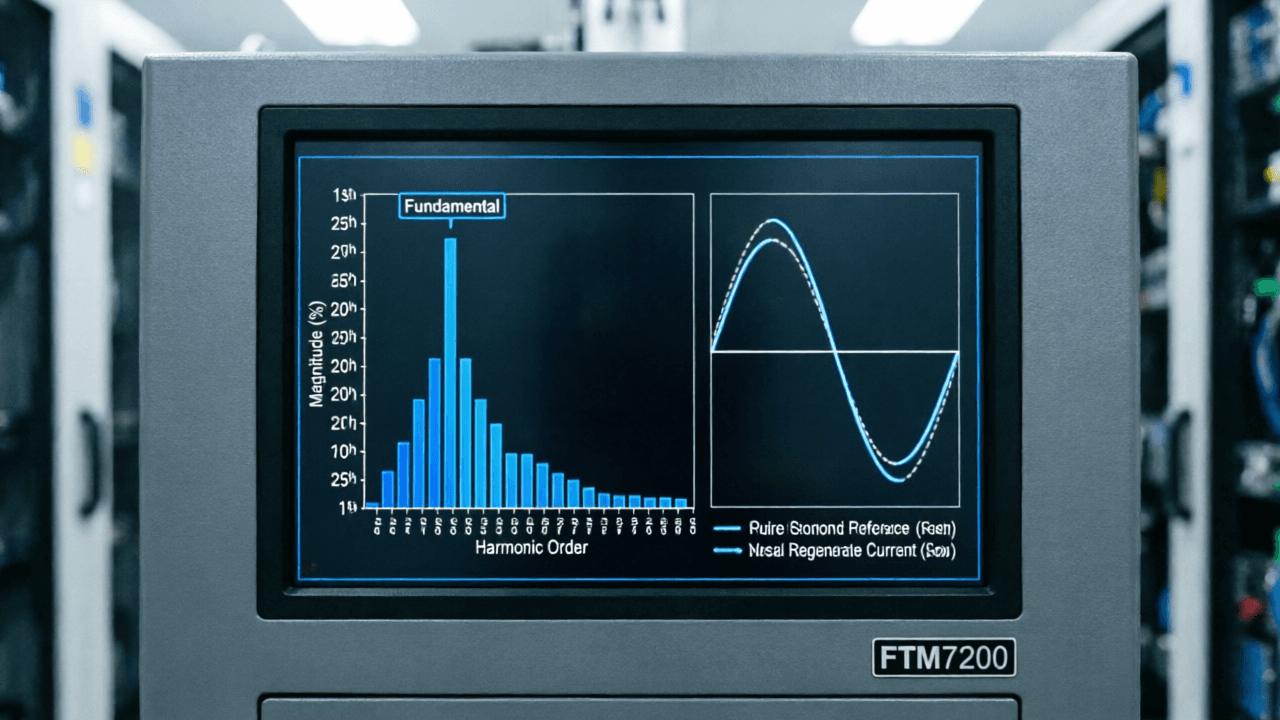
In contrast, dedicated Vehicle Power Net Simulation Test systems—like the FaithTech FT series—are engineered from the ground up for automotive compliance testing. These units integrate programmable analog waveform generation, high-bandwidth current sourcing/sinking, and standard-compliant timing resolution to replicate real-world vehicle battery and alternator behavior accurately.
Step-by-Step Workflow for ISO 16750-2 and LV 124 Compliance Testing
Step 1: Select and Configure the Standard Profile Begin by selecting the relevant test standard from the FT series’ onboard library. The unit natively supports ISO 16750-2 (e.g., Pulse 1, Pulse 2a, Pulse 4, Pulse 5a/b), LV 124 (e.g., S3, S4, S5), and customizable user-defined waveforms. Each profile includes preloaded parameters—rise/fall times, duration, amplitude, repetition count, and hold time—verified against the latest revision of the standard.
Step 2: Connect and Calibrate the DUT Interface Connect the device under test (DUT) to the FT series output terminals using low-inductance cabling. Enable remote sensing to compensate for voltage drop across leads. Verify calibration using the unit’s internal self-test mode and optional external reference meter—no third-party calibration equipment required for routine verification.
Step 3: Execute and Monitor the Test Sequence Trigger the selected waveform either manually or via automated sequence mode. The FT series delivers full-scale transient energy (up to ±200 V, 100 A peak) with < 500 ns response time and sub-millisecond timing accuracy. Real-time voltage/current waveforms are displayed on the integrated high-resolution touchscreen, and data can be exported via USB or Ethernet for traceability.
Step 4: Validate Pass/Fail Against Acceptance Criteria Observe DUT behavior during and after each transient. Use the FT series’ event logging to timestamp anomalies, correlate with oscilloscope captures, and generate compliant test reports. Built-in pass/fail thresholds support automatic result classification per test plan requirements.
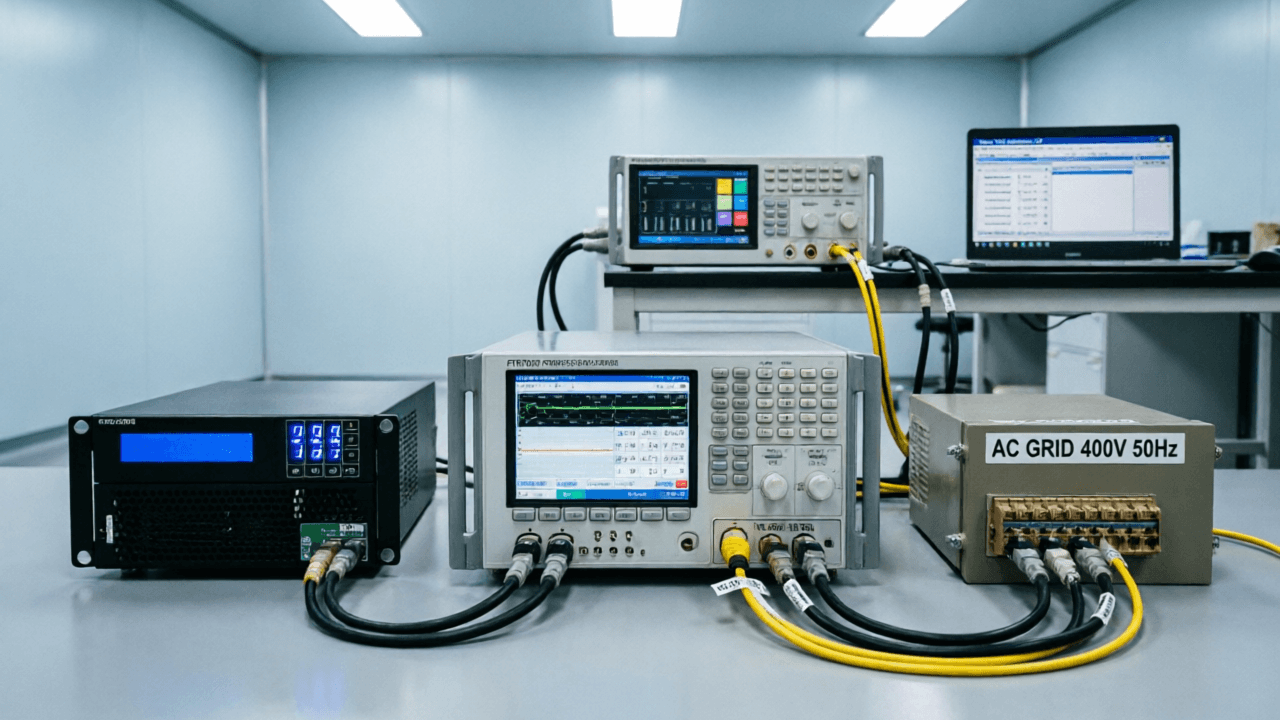
Key Advantages of FaithTech FT Series for Automotive Power Network Waveform Test
The FT series automotive power supply waveform analog test power supply is purpose-built for automotive power network waveform test applications. Its architecture enables:
- True analog waveform synthesis, not digitized playback—ensuring continuous, jitter-free signal reproduction without quantization artifacts.
- Simultaneous sourcing and sinking capability, critical for simulating regenerative braking events or alternator load dump recovery.
- Integrated safety interlocks, including overvoltage, overcurrent, and thermal shutdown—designed to protect both DUT and test equipment during fault-condition testing.
- Standard-compliant timing precision: pulse width tolerance ≤ ±1%, rise/fall time accuracy ≤ ±5%, and delay resolution down to 10 µs.
Unlike modular or PC-controlled solutions that introduce latency and synchronization drift, the FT series executes waveforms deterministically in hardware—eliminating software stack dependencies and ensuring repeatability across labs and shifts.
Integrating Into Your Validation Pipeline
FaithTech FT series units support seamless integration into automated test environments. SCPI command compatibility enables control via Python, LabVIEW, or NI TestStand. Optional Ethernet and GPIB interfaces allow centralized fleet management and remote monitoring. For teams scaling from R&D to production validation, the same FT unit can perform single-pulse qualification tests or execute full ISO 16750-2 test cycles—including 100+ pulse sequences with variable duty cycles and randomized intervals.
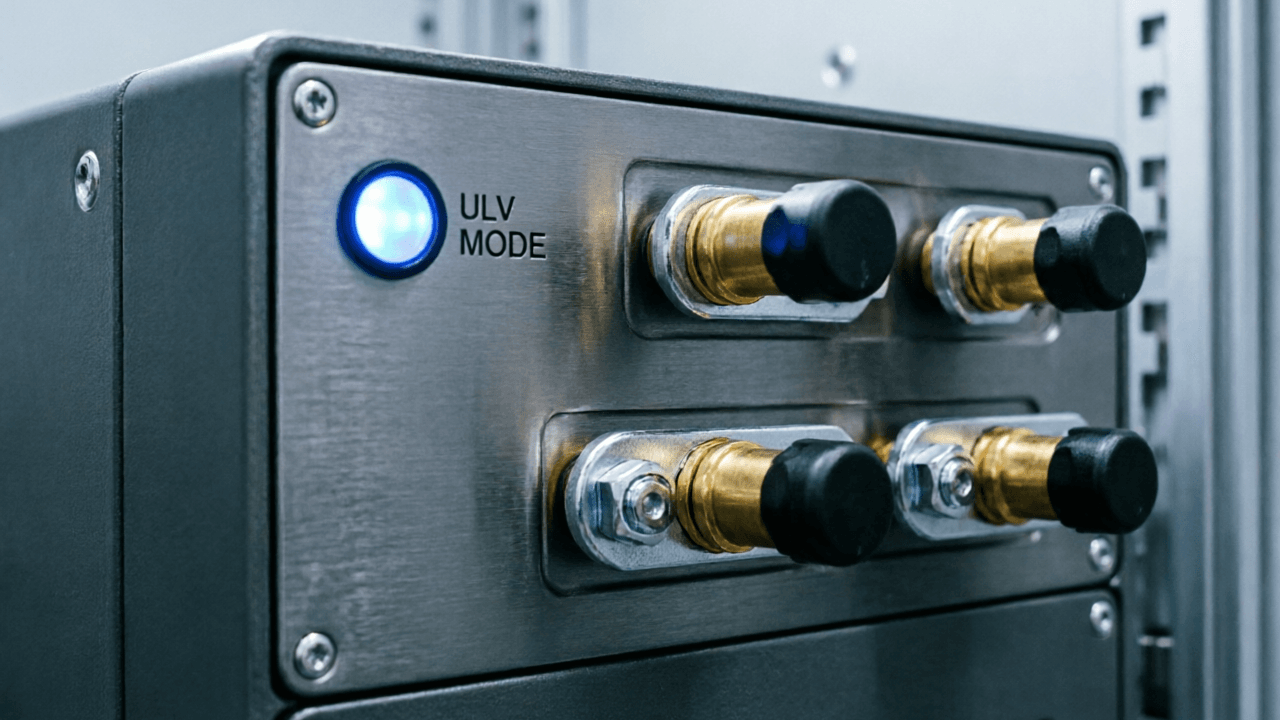
To begin implementing a robust automotive power network waveform test process, start with the FT series automotive power supply waveform analog test power supply. Its design eliminates guesswork, reduces setup time, and ensures every test reflects actual vehicle electrical system behavior—not laboratory approximation.