FaithTech
FaithTech entwickelt und fertigt programmierbare Gleichstrom-Stromversorgungen und elektronische Lasten für Anwendungen in den Bereichen Energie, Industrie, Automobil, Elektronik und Luft- und Raumfahrt.
Urheberrecht © 2026 FaithTech
FaithTech entwickelt und fertigt programmierbare Gleichstrom-Stromversorgungen und elektronische Lasten für Anwendungen in den Bereichen Energie, Industrie, Automobil, Elektronik und Luft- und Raumfahrt.
Urheberrecht © 2026 FaithTech

High-current power devices, such as large-scale battery energy storage systems and hydrogen fuel cell packs, require rigorous and precise testing to ensure reliability, efficiency, and safety under demanding operational loads. Evaluating these devices necessitates a comprehensive understanding of their electrical characteristics, particularly their internal resistance and current-voltage (I-V) behavior. In high-current applications, even minute variations in internal resistance can lead to significant power losses, thermal runaway, or premature degradation of the power device.
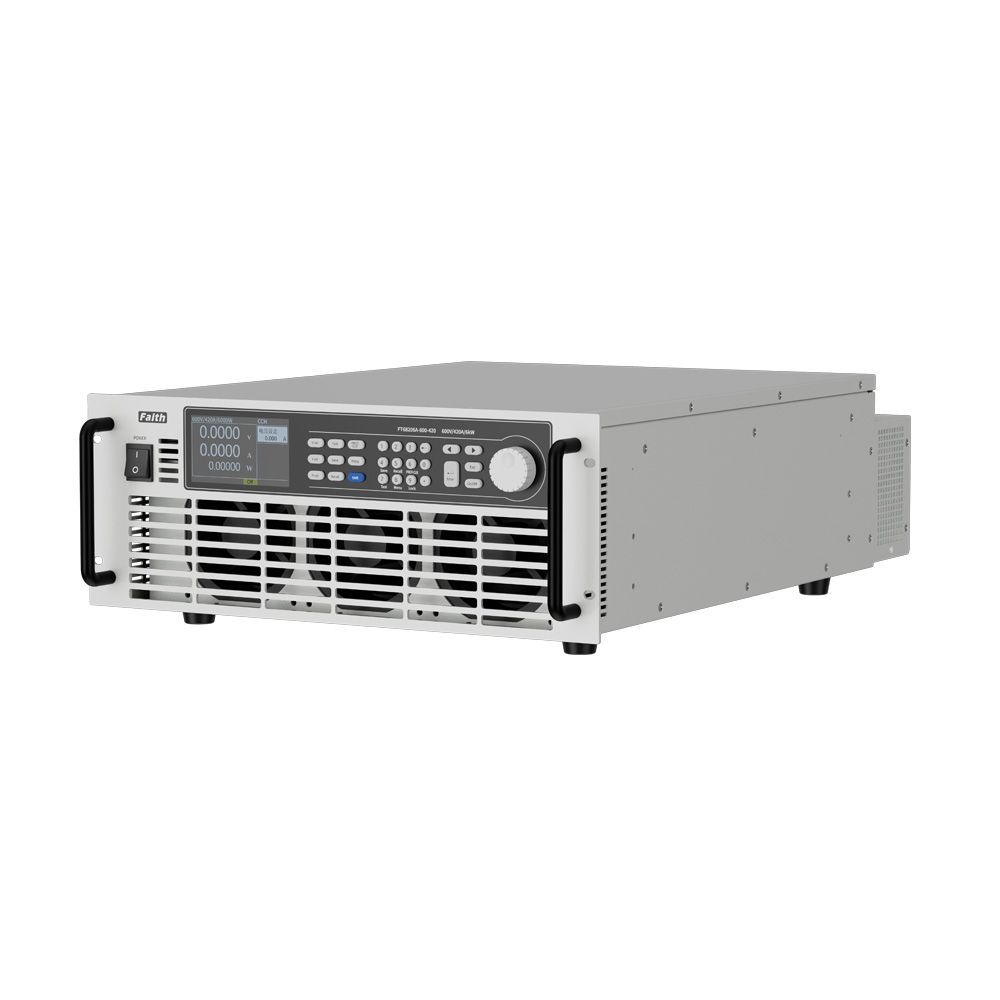
To address these engineering challenges, a combined testing approach utilizing an AC impedance analyzer and a high-power electronic load provides a robust solution. By integrating the FTM6000 Series AC Impedance Analyzer with the FT68200A/E/H series Ultra-high power electronic load, engineers can execute comprehensive AC impedance analyzer battery testing workflows. This integrated application approach allows for the accurate extraction of internal resistance, I-V characteristics, and AC impedance spectra on high-current power devices, including those used in AI server power architectures and hydrogen power systems.
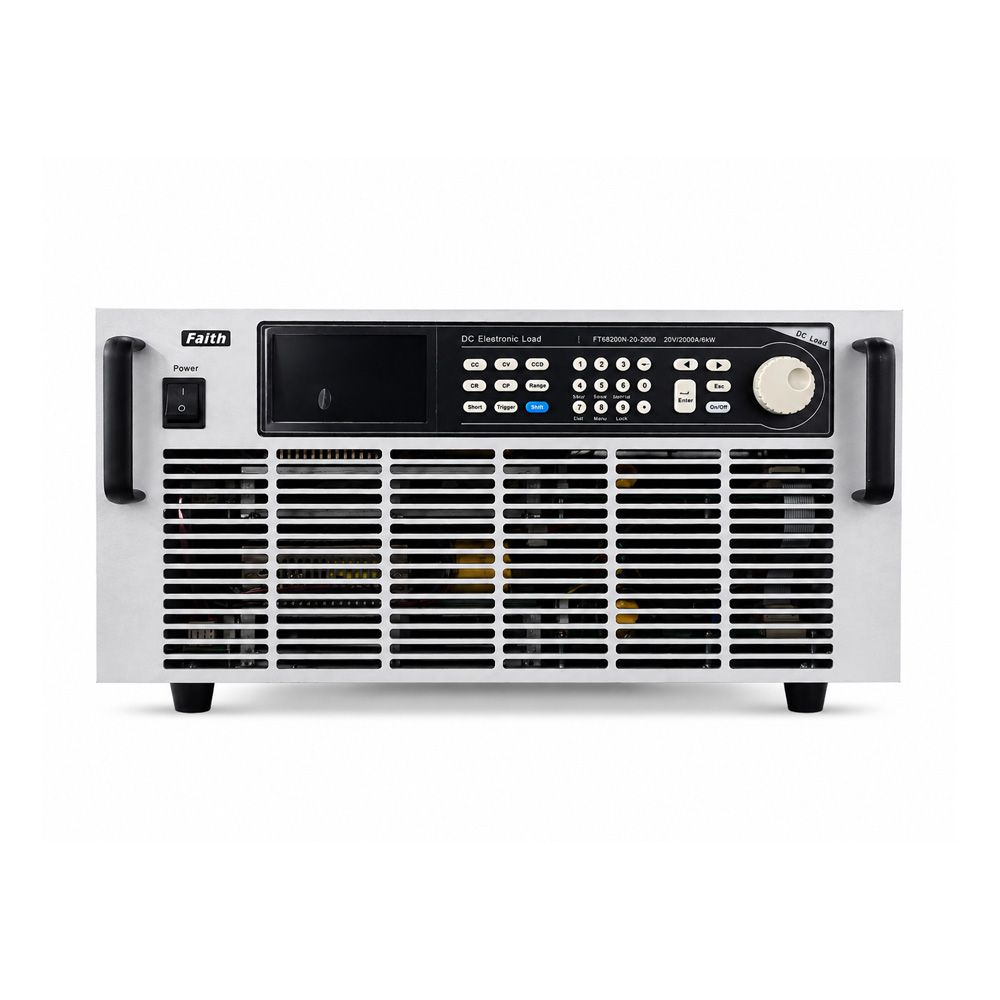
The first phase of the application workflow involves measuring the pure internal resistance of the battery or fuel cell pack. The FTM6000 is specifically engineered for this task, offering an internal resistance measurement range from 0.01mΩ to 10Ω. This wide dynamic range ensures that both low-resistance high-current fuel cell stacks and standard battery packs can be evaluated with high precision.
To begin the workflow, the device under test (DUT) is connected to the FTM6000. The analyzer injects an AC signal into the DUT to measure the impedance. A critical specification to configure at this stage is the AC test current. The FTM6000 allows the AC current to be set within the range of 0.1% to 10% of the DC current, with a total test current capacity reaching up to 1000A and a test voltage range of 0.01 to 1000V. By setting the appropriate AC current proportion relative to the baseline DC, the system isolates the resistive component of the cell's impedance, providing an accurate internal resistance value without deeply discharging the pack.
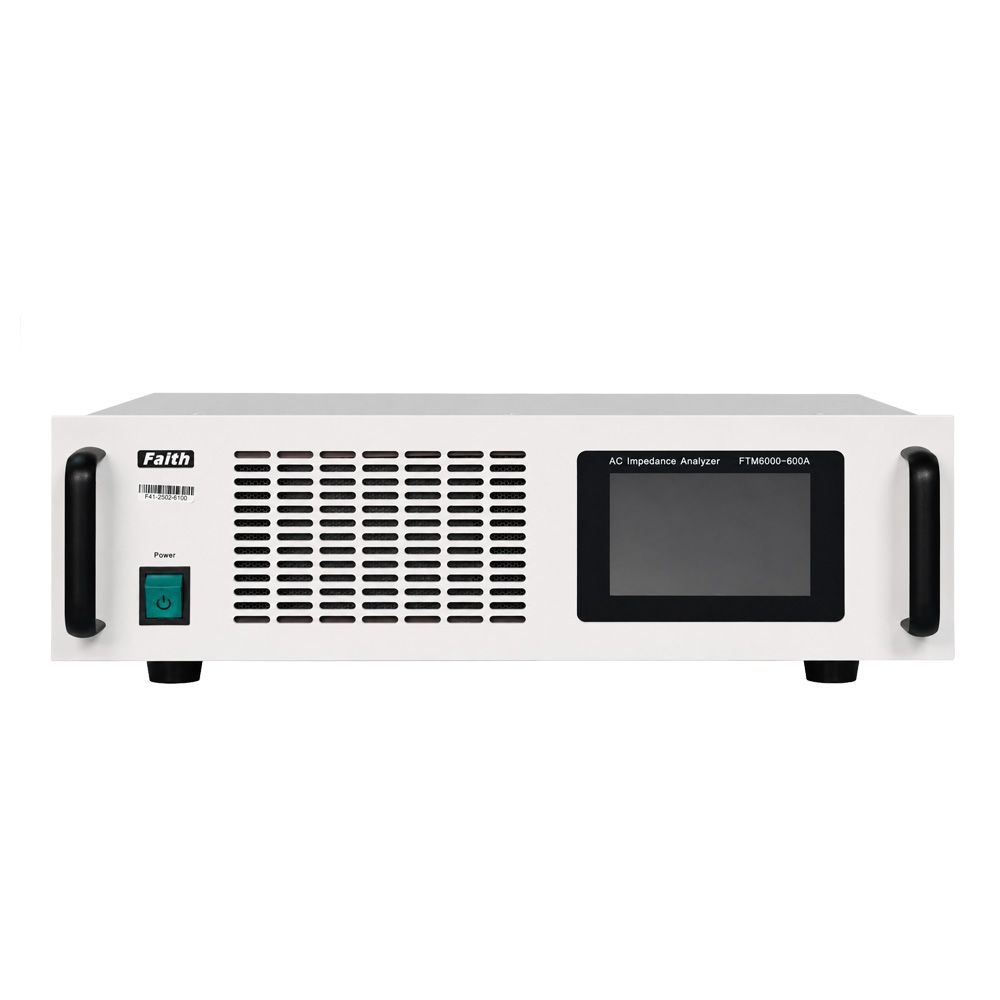
Once the baseline internal resistance is established, the workflow advances to I-V characterization and AC impedance spectroscopy. This phase requires the FTM6000 to be used in conjunction with the FT68200 series load. The FT68200 acts as a controlled discharge sink, capable of handling the rigorous demands of power battery, lead-acid battery, and fuel cell discharge testing.
The FTM6000 supports multiple advanced test modes, including I-V characteristics, constant current characteristics, and the DC short-circuit method. During I-V characterization, the FT68200 load draws specific, stepped current levels from the pack while the FTM6000 simultaneously measures the corresponding voltage drops. This coordinated effort generates the I-V curve, which is vital for understanding the power delivery capabilities and voltage sag of the fuel cell or battery pack under heavy load.
Following the I-V sweep, the system performs an AC sweep frequency test. The FTM6000 features a broad test frequency range from 0.01Hz to 20kHz. Sweeping across these frequencies allows the analyzer to map the Cole-Cole curve based on the AC impedance method. This curve is an essential diagnostic tool in battery testing, as it separates the ohmic resistance, charge transfer resistance, and diffusion processes within the electrochemical cell, providing deep insights into the health and electrochemical state of the device.
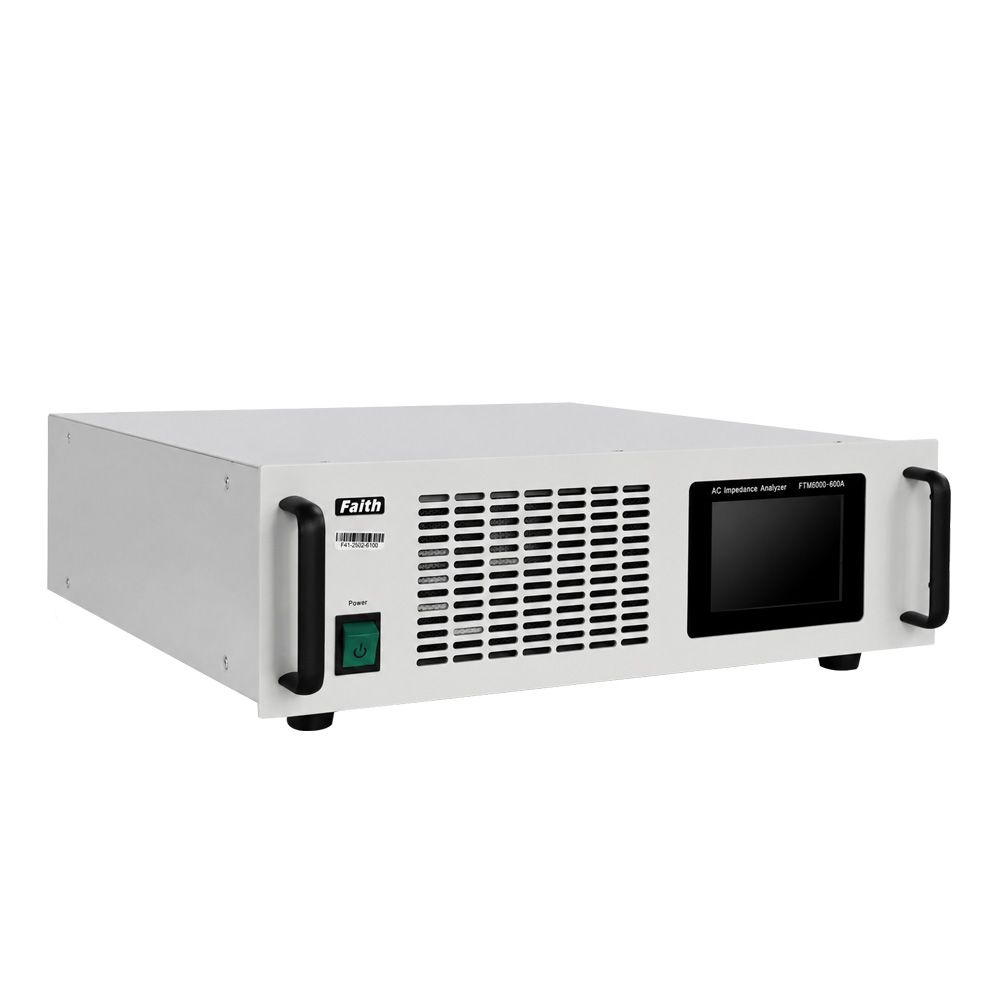
The final step in the application workflow is data acquisition and system integration. High-current testing setups often require centralized control and automated data logging for quality assurance and research purposes. The FTM6000 facilitates this through standard configurations including RS232, LAN, RS485, and CAN interfaces. Furthermore, it supports the standard Modbus-RTU communication protocol, ensuring seamless integration into industrial test benches and automated manufacturing execution systems.
By combining the FTM6000 and the FT68200 series load, engineers establish a unified test environment for high-current power devices. This setup is not only applicable to energy storage and fuel cells but also extends to BMS and battery protection device testing, DC charging pile evaluations, and virtual load testing of solar arrays and industrial motors. The synergy between the AC impedance analyzer and the ultra-high power load ensures that critical parameters—internal resistance, I-V behavior, and frequency-dependent impedance—are captured accurately, driving better design and validation outcomes for high-power electronics.