Wetterabhängigkeit verhindert reproduzierbare Tests
Echte Solarmodule sind unberechenbar bezüglich Einstrahlung, Temperatur und Teilverschattung. Präzise Wirkungsgradkurven nach EN 50530 erfordern wiederholbare mathematische I-V-Kennlinien.

FaithTech entwickelt und fertigt programmierbare Gleichstrom-Stromversorgungen und elektronische Lasten für Anwendungen in den Bereichen Energie, Industrie, Automobil, Elektronik und Luft- und Raumfahrt.
Urheberrecht © 2026 FaithTech
Photovoltaik- & Speicher-Prüflösung
Validate PV inverters, hybrid inverters and energy storage PCS with solar array, battery, grid and regenerative AC load simulation from FaithTech.
Up to 2250V DC
PV and battery port voltage
Up to ±300kW
Bidirectional DC power per unit
Up to 150kW
Regenerative AC loading
Four-port
PV / Battery / Grid / Load architecture
Unterstützt EN 50530, IEEE 1547, UL 1741, IEC 62109 und VDE-AR-N 4105 Normprüfungen.
Drei-Tor-Prüfarchitektur
PV-Array + Batterie + AC-Netzsimulation
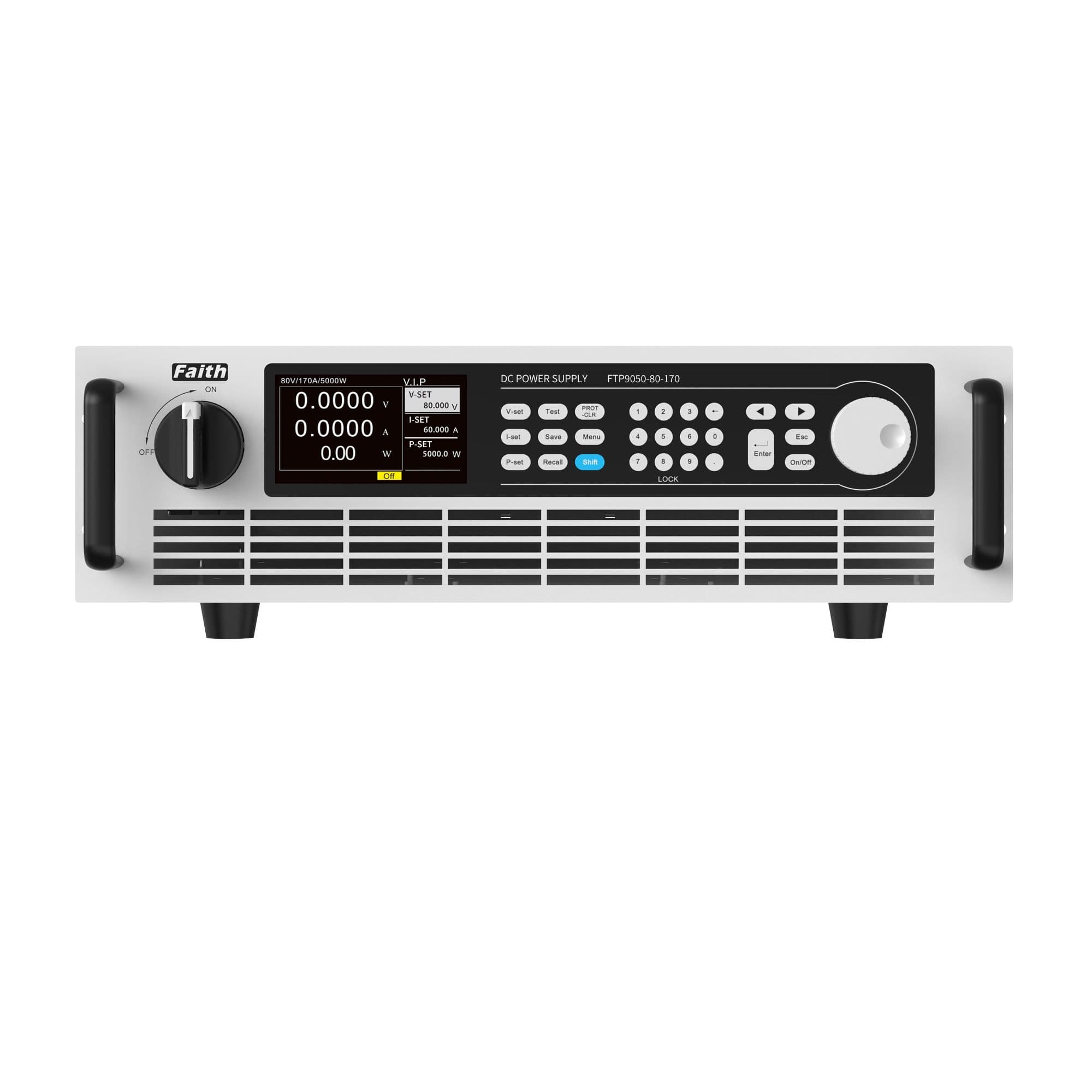
FTP9000
Solar-Array-Simulator
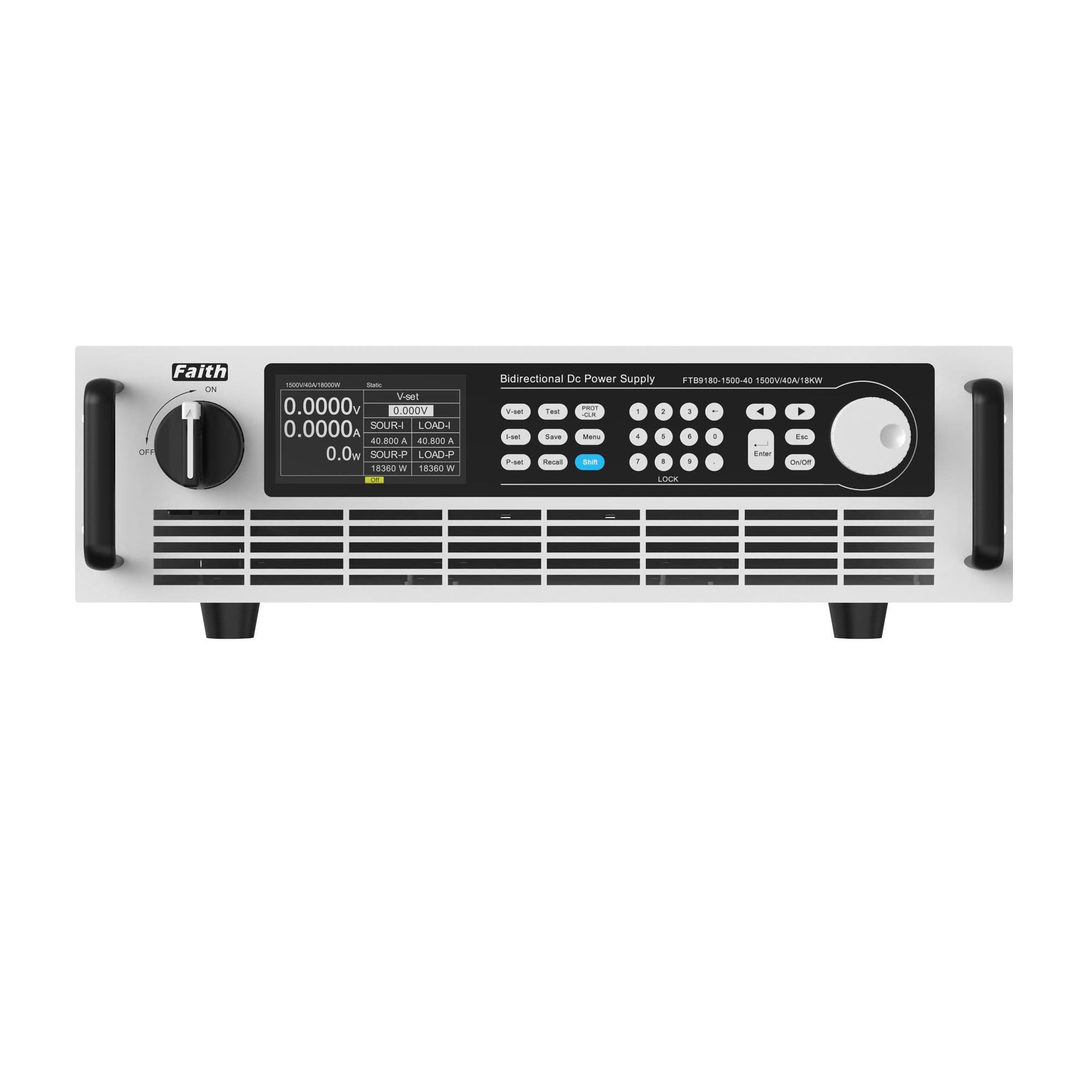
FTB9000 / FTB7000
Batteriepack-Simulator
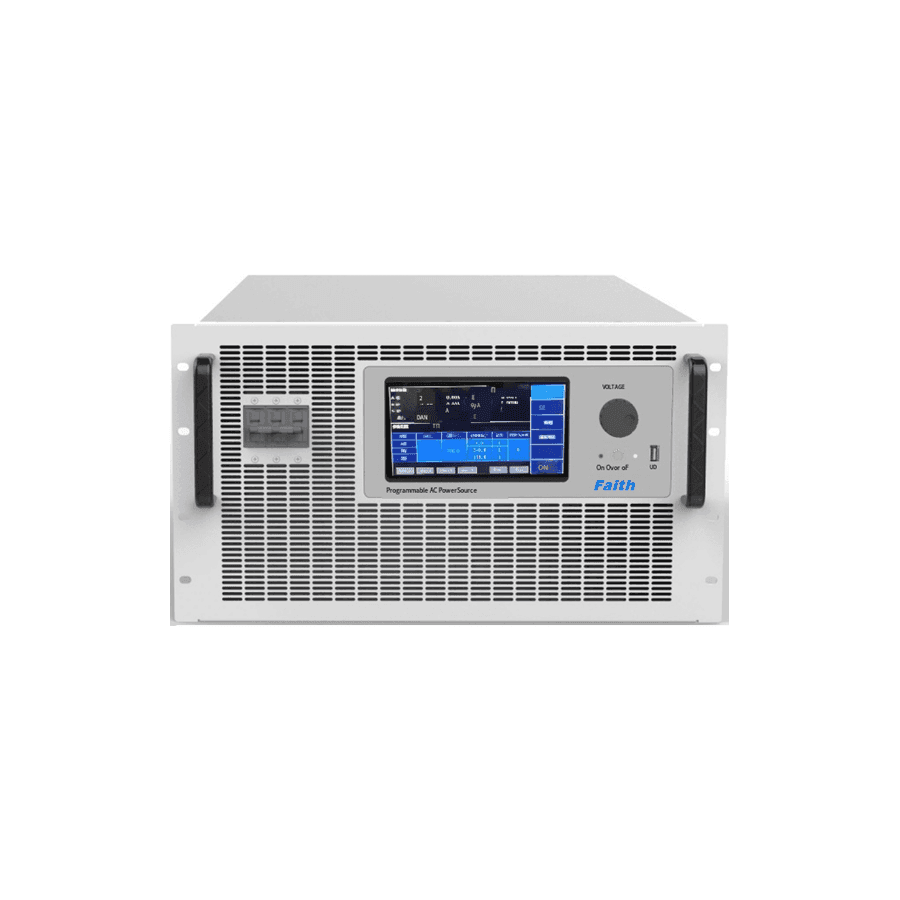
FTPS
Programmierbare Netzsimulation
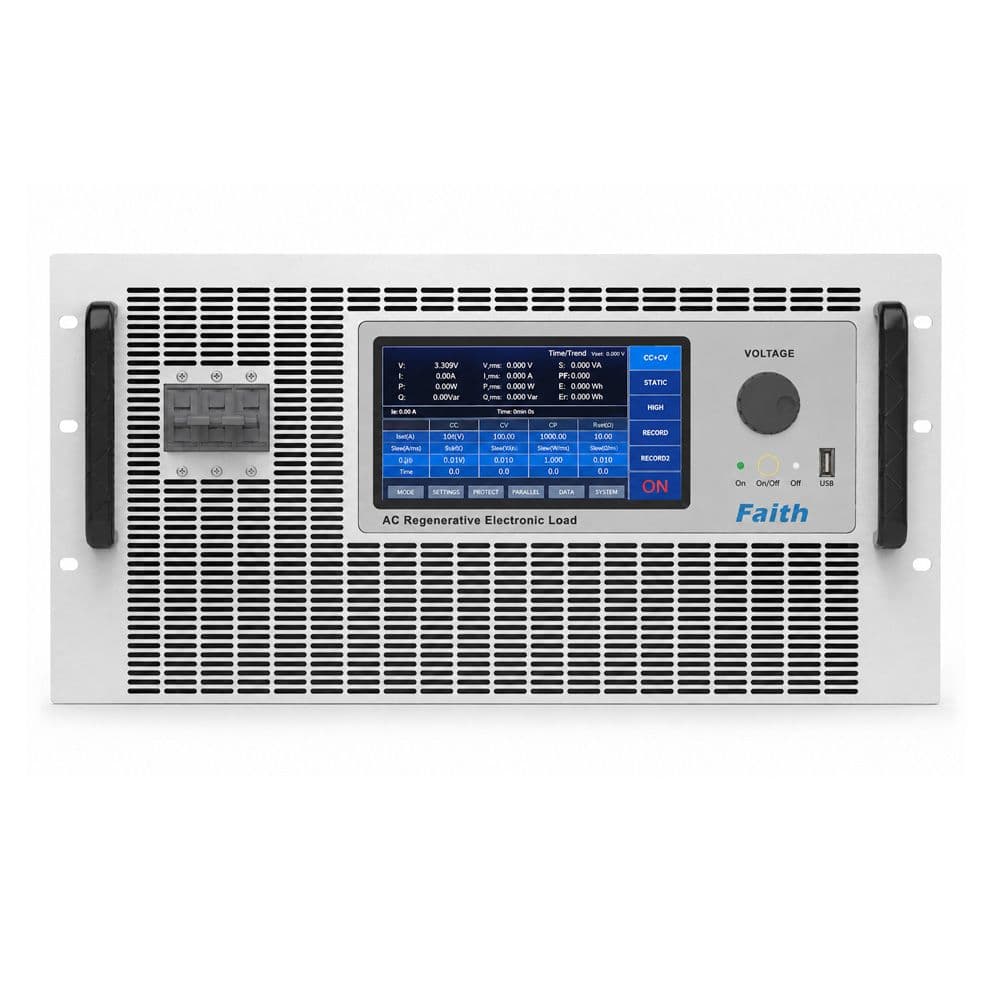
FT6500R
Rückspeisefähige AC-Last
Prüfling (DUT)
PV / Hybrid / PCS Inverter
Warum reale Prüfstände steuerbare PV-, Batterie- und Netzsimulatoren anstelle von Feldversuchen benötigen.
Echte Solarmodule sind unberechenbar bezüglich Einstrahlung, Temperatur und Teilverschattung. Präzise Wirkungsgradkurven nach EN 50530 erfordern wiederholbare mathematische I-V-Kennlinien.
Reale Batteriepacks altern bei zyklischen Tests schnell, bergen Brandgefahren bei Überlast und können Zellfehler oder Drift nicht gezielt simulieren.
Netzbetreiber fordern Durchfahren von Netzfehlern (FRT/LVRT/HVRT), Blindleistungsbereitstellung, Frequenzstützung und zuverlässige Anti-Islanding-Inselnetzerkennung.
Dauertests von Großwechselrichtern verbrauchen enorme Energiemengen. Ohne rückspeisefähige Last- und Netzsimulatoren führt dies zu prohibitiven Betriebskosten.
Systemarchitektur
Vollständig geschlossener Testkreislauf: Solarenergie, Batteriespeicher und AC-Netz in einem synchronisierten Verbund.
Tor 1: Solar-Array
Emuliert dynamische I-V-Kennlinien nach EN 50530, Sandia und benutzerdefinierten Einstrahlungs- und Temperaturprofilen mit bis zu 2250 V.
Energiequelle für Inverter
Tor 2: Batteriespeicher
Echter Zwei-Quadranten-Betrieb: Liefert Entladestrom und nimmt Ladestrom verlustarm auf. Emuliert Batterie-Ladezustand (SOC), Innenwiderstand und Alterung.
Bidirektionale Quelle / Senke
Wandelt Gleichstrom aus Solar- und Batteriezellen in geregelten Wechselstrom oder lädt den Speicher aus dem Netz.
Tor 3: AC-Netz & Last
Erzeugt reale Netzbedingungen mit Spannungseinbrüchen (LVRT/HVRT), Frequenzschwankungen und Oberschwingungen; nimmt erzeugte AC-Leistung rückspeisend auf.
Rückspeisung ins Labornetz
AC load port
Regenerative CC and CP loading for backup, off-grid, island-mode and burn-in tests.
AC loading with energy return
Prüfkonfigurationen
Wählen Sie die ideale Konfiguration für R&D-Labore, Zertifizierungsprüfstände oder Serienfertigung.
Netzgekoppelte PV
Recommended configuration
Hybrid- & ESS-Systeme
Recommended configuration
Großbatteriespeicher
Recommended configuration
Prüfmatrix
Übersicht der Prüfbereiche, Normen und empfohlenen FaithTech Prüfgeräte.
| Test domain | Test capability | FaithTech equipment |
|---|---|---|
| Statischer MPPT-Wirkungsgrad | Prüfung nach EN 50530 & Sandia-ProtokollMessung bei 5 % bis 100 % NennleistungWirkungsgradbestimmung mit 0,05 % Genauigkeit | FTP9000 Serie |
| Dynamischer MPPT-Wirkungsgrad | Schnelle Einstrahlungsrampen (10 bis 1000 W/m²)Teilverschattungs- & WolkensimulationReaktionszeitmessung des Tracking-Algorithmus | FTP9000 Serie |
| Netzfehler-Durchfahrt (LVRT / HVRT) | Spannungseinbrüche auf 0 % RestspannungÜberspannungssprünge bis 140 % NennspannungBlindleistungseinspeisung während des Fehlers | FTPS Netzsimulator |
| Inselnetzerkennung (Anti-Islanding) | Resonanzkreiseinstellung nach IEEE 1547 / UL 1741Abschaltzeitmessung bei Netzausfall (< 2 s)Vermeidung von Fehlauslösungen bei Netzstörungen | FTPS + FT6500R AC-Last |
| Netzqualität & Oberschwingungen | THD- und Einzeloberschwingungsmessung bis 50. OrdnungGleichstrom-Einspeisemessung (DC Injection)Leistungsfaktorregelung (cos phi von 0,8 cap bis 0,8 ind) | Präzisions-Leistungsanalysator |
| Batteriespeicher-Regelung & USV-Umschaltung | Umschaltzeit Netz- auf NotstrombetriebLade-/Entlade-Wirkungsgrad & C-Raten-StresstestsBMS-Kommunikationsemulation über CAN/RS485 | FTB9000 Serie |
FTP9000 Serie
FTP9000 Serie
FTPS Netzsimulator
FTPS + FT6500R AC-Last
Präzisions-Leistungsanalysator
FTB9000 Serie
Kernprodukte
Modular, parallelisierbar und für anspruchsvollste Prüfanforderungen entwickelt.
Solar-Array-Simulator
Bidirektionale regenerative DC-Quelle / Batteriesimulator
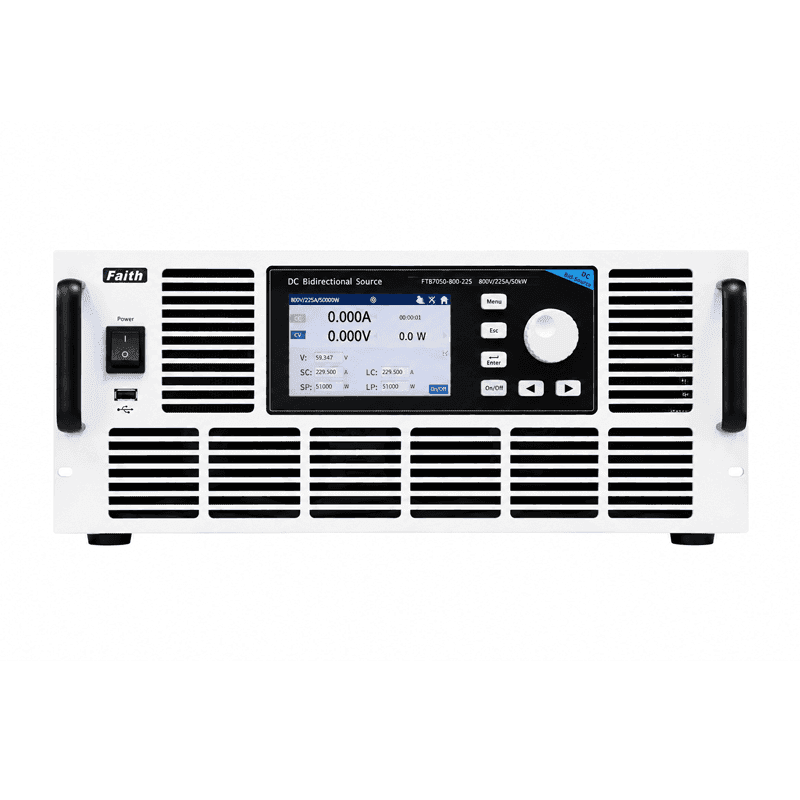
Programmierbarer AC-Netzsimulator
Rückspeisefähige elektronische AC-Last
Regenerative CC/CP AC electronic load
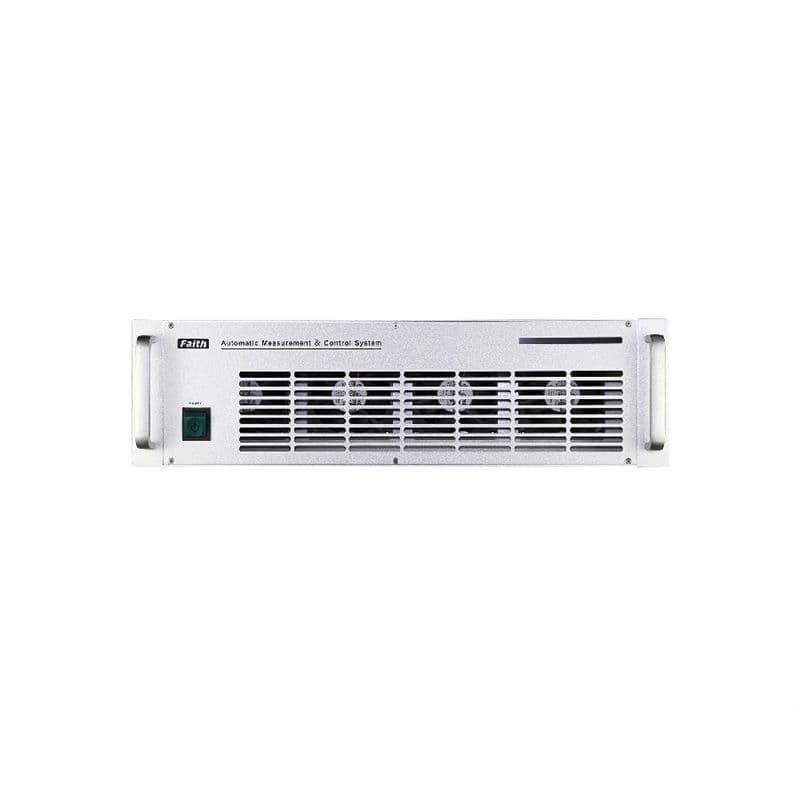
Automation, DAQ, switching and electrical measurement
Warum FaithTech
Vier entscheidende Vorteile für R&D- und Fertigungsleiter weltweit.
Sparen Sie tausende Euro monatlich an Stromkosten durch hocheffizientes Energierecycling direkt in Ihr Werksnetz.
Prüfen Sie von 5 kW Heimspeichern bis zu 3 MW Großwechselrichtern mit denselben modularen Komponenten.
Vorkonfigurierte Prüfabläufe für EN 50530, IEEE 1547, UL 1741 und VDE-AR-N 4105 verkürzen die Zertifizierungszeit.
Industrieerprobte Hardware, robuste Schutzmechanismen und direkter Support durch erfahrene Prüfingenieure.
Prüfstandards
FaithTech Prüfsysteme sind für EN 50530, IEEE 1547, UL 1741 und VDE-AR-N vorkonfiguriert.
Erweitern Sie die Plattform mit RLC-Lastbänken und Netzanalysatoren für vollständige Inselnetz- und Netzkodex-Zertifizierungen.
Häufig gestellte Fragen
Der FTP9000 bietet eine Kennlinienaktualisierungszeit von bis zu 10 ms. Dadurch lassen sich schnelle Einstrahlungsänderungen von 10 W/m² bis 1000 W/m² gemäß EN 50530 absolut realistisch simulieren.
Ja, der FTB9000 ist eine vollwertige Zwei-Quadranten-Stromversorgung. Er schaltet nahtlos und verzögerungsfrei zwischen Stromabgabe (Entladen) und Stromaufnahme (Laden mit Netzrückspeisung) um.
Für Zertifizierungen nach IEEE 1547 oder VDE-AR-N ist ein programmierbarer Netzsimulator unverzichtbar, um Netzfehler wie LVRT/HVRT, Frequenzschwankungen und Spannungsverzerrungen kontrolliert einzuspeisen.
Wir benötigen den Wechselrichtertyp, den PV-Eingangsspannungsbereich, die Batteriespannung (falls Hybrid), die AC-Spannung und Phasenanzahl sowie die gewünschten Prüfnormen.
Systemberatung
Nennen Sie uns Ihre technischen Eckdaten. Unsere Applikationsingenieure erstellen ein detailliertes Angebot mit Prüfschaltplan und Geräteauslegung.